Apple Cuts iPhone Air Production, Doubles Down on iPhone 17
- Apple’s long-awaited iPhone Air isn’t getting the spotlight Cupertino originally hoped for.
- But it’s not all bad news: Apple is cranking out iPhone 17 and 17 Pro models.
- Demand in the Western world is muted; but China is lining up for iPhone Air. Read on.
If you’ve felt the iPhone Air buzz cooling a touch, you’re not imagining it. A new analyst note—surfaced by The Elec and picked up by multiple outlets—claims Apple is shaving roughly 1 million units off its iPhone Air build plan, while raising output for the rest of the iPhone 17 family. Apple hasn’t confirmed anything (it rarely does on production), but the pattern lines up with what retailers and wait times suggest: the “regular” iPhone 17 and the Pro models are stealing the spotlight right now.
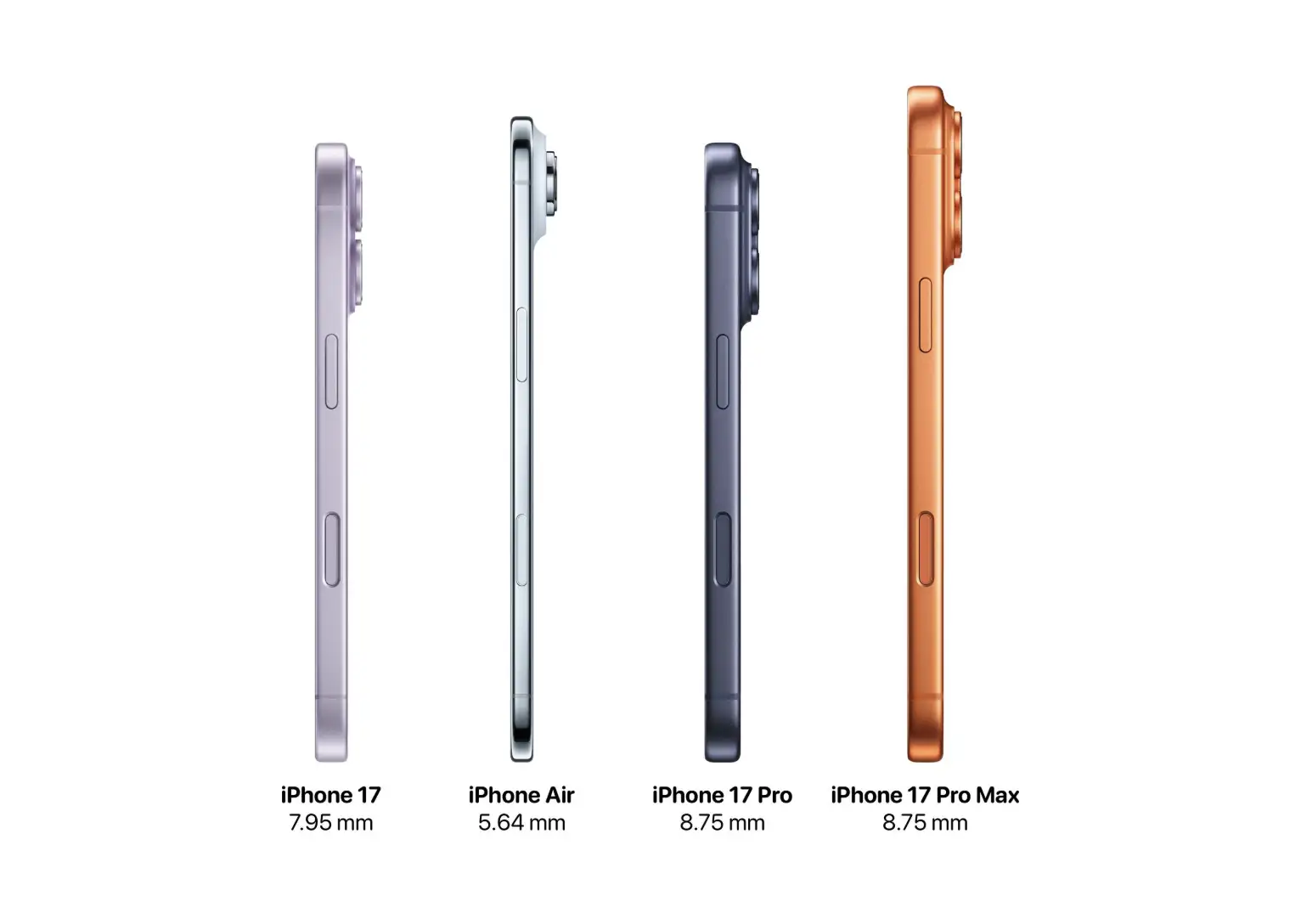 Photo via Apple Hub // Apple's 2025 iPhone lineup has one clear standout: the iPhone Air. However, it doesn't seem like long-term sales are reflecting the original surge in interest seen in September.
The reported shifts, in plain English
According to Mizuho Securities (as relayed in the coverage), Apple is:
- Cutting iPhone Air by ~1M units.
- Increasing iPhone 17 by ~2M, 17 Pro by ~1M, and 17 Pro Max by ~4M.
- Lifting the overall iPhone 17 series forecast from ~88M to ~94M units into early 2026—so total volume still goes up, not down.
That’s the funny part: the headline sounds gloomy, but the series as a whole looks healthy. The Air is the outlier—lighter, thinner, beautiful… and maybe awkwardly positioned.
Why the Air might be lagging
Let’s be blunt: value math. The iPhone Air sits above the base iPhone 17 on price but below Pro on camera muscle. For a lot of shoppers, that means you’re paying more than “entry” without getting the Pro perks you can brag about—zoom, sensors, the whole package. When the base iPhone 17 is genuinely strong this year (battery life and day-to-day speed are widely praised), the Air’s pitch gets narrower. That’s not a knock on the engineering; it’s a lane-definition problem.
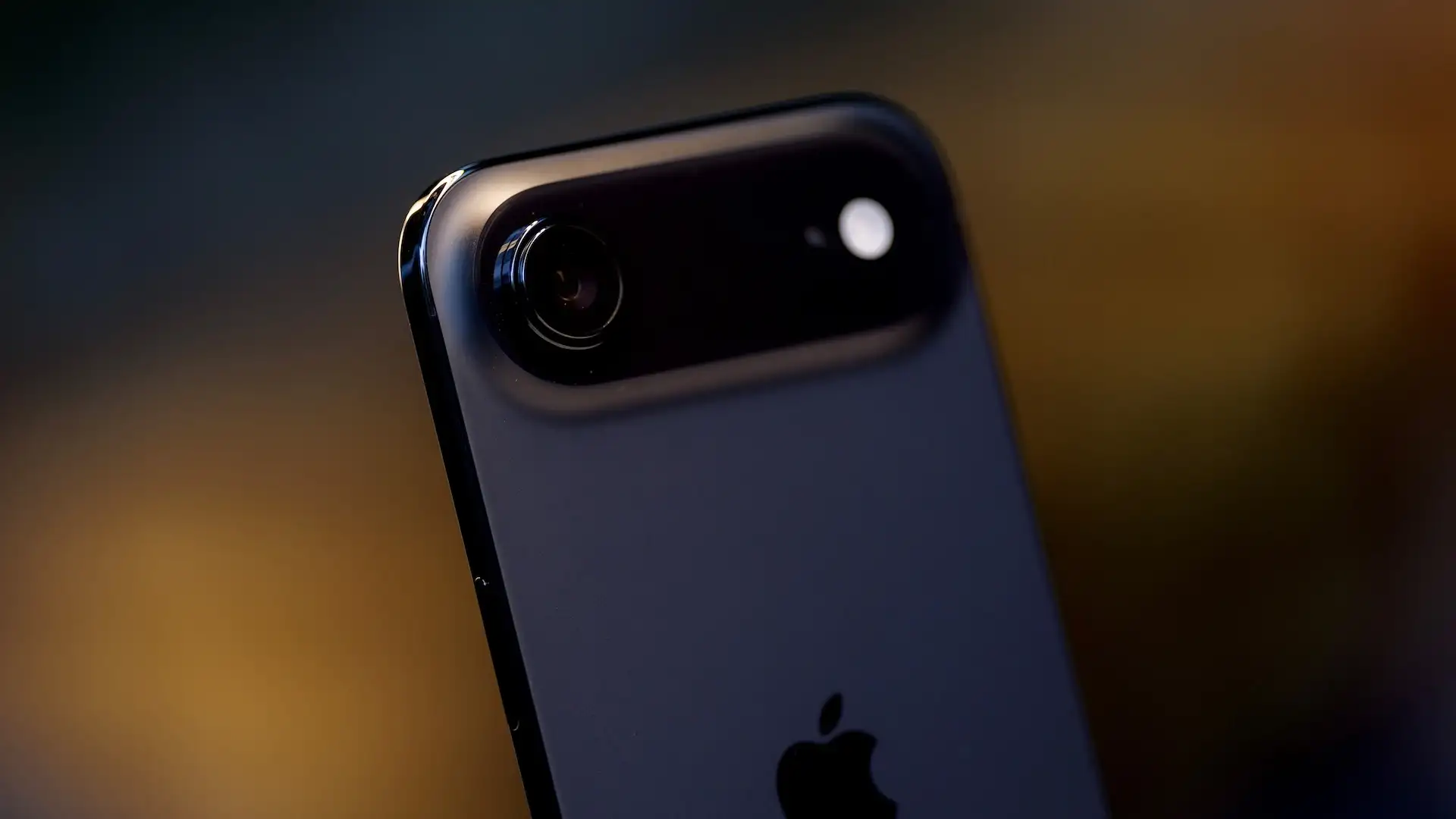 Photo via Inc. Magazine // A black iPhone Air, showing off its singular rear camera.
“Underwhelming” in the West, but hot in China?
Reports say demand in Western markets hasn’t hit early hopes, while China saw fast sell-outs and eye-popping preorder interest. Two things can be true at once: launch-week hype in one region and steadier, more selective uptake elsewhere. The net effect still favors shifting builds toward models with broader, steadier pull—namely iPhone 17 and Pro.
What about Samsung?
Over on the Android side, Samsung has reportedly killed its ultra-slim Galaxy S26 Edge after weak S25 Edge sales. That’s telling. Thin is lovely in the hand, but if it arrives with trade-offs (battery, cameras, price), shoppers notice—and they vote with their carts. Multiple publications in Korea and the U.S. echoed the same takeaway: the “skinny flagship” lane is narrower than it looks.
What this means if you’re buying
- Chasing an Air? You’ll still find plenty; a 1M unit trim isn’t a vanishing act. If you want the lightest feel on an iPhone 17-class device, it’s still the one to beat. (And yes, third-party cases that add grip without bulk help the “airiness” storyline.)
- Can’t decide? The iPhone 17 is the crowd-pleaser right now, with price-to-battery-to-camera balance that hits the sweet spot for most people. Pros stay king if you live in Photos/Video land or want every perk.
- Waiting games: If you’re eyeing specific Pro/Pro Max configs, expect some model-storage combos to bounce between 1–3 week estimates depending on your region and color. That’s typical during a ramp.
What to watch next
Mizuho’s note also leans toward a foldable iPhone arriving later than 2026—potentially 2027—as Apple keeps grinding on hinge and panel quality. One more spicy tidbit: a two-stage iPhone 18 rollout—Pros in Sept 2026, base models (including a rumored 18e) in spring 2027—is being floated. None of this is locked, but it fits Apple’s “ship it when it’s right” cadence.
The bigger picture
The iPhone Air doesn’t need to be a runaway hit to matter. Think of it as a platform experiment: push thinness without wrecking stamina, see how the market reacts, and port the lessons to future designs—including foldables. If demand keeps concentrating around the base and Pro lines, Apple will simply steer the production wheel there. That’s not a failure; that’s supply chain doing its job.
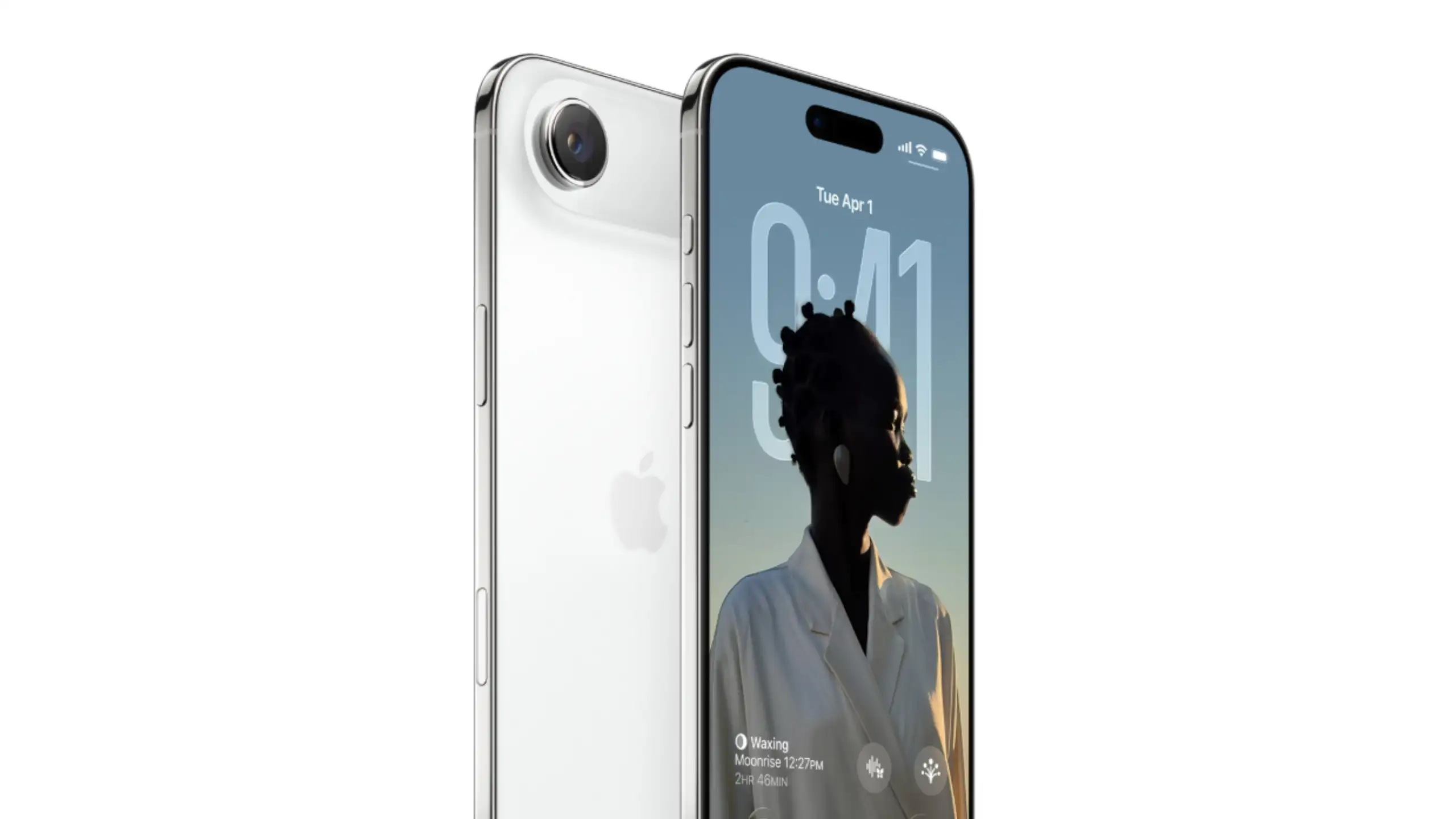 Photo via International Business Times // Official images of the 2025 iPhone Air, released by Apple.
Bottom line
The iPhone 17 family looks strong. The Air’s production trim is a surgical tweak, not a red alert. If you love ultra-light hardware, the Air still brings a rare feel in your pocket. If you want the most “phone per dollar,” the iPhone 17 is quietly the star; if you want the whole camera bag, the Pros are where you’ll land. And if you’re foldable-curious? Keep your calendar loose—2027 is starting to sound more realistic than 2026.
Recommended by the editors:
- No More September iPhones? Apple's Strategy Shift Changes Everything
- MacBook Pro M6 OLED Rumors: Release Date, Price, Features, and More
- iPhone 18 Rumors: Apple Reportedly Testing Under Display Face ID
- Intel Could Finally Return to Apple Computers in 2027
- Foldable iPhone Could Be Apple’s Most Expensive Phone Ever At $2,399
Published to Apple Scoop on 18th October, 2025.