Apple Smart Glasses: Rumors, Leaks, Release Date, Features, and More
- Apple is reportedly hitting pause on a cheaper Vision Pro to chase something lighter—and way more wearable.
- A custom low-power chip and “visual intelligence” could make these glasses have the classic Apple "wow factor."
- Expect iPhone tethering early on—with release date some time around 2027. Read on.
Apple has been busy. When Vision Pro was announced in 2023, it was touted by Apple as a revolution in "spatial computing." But over 2 years later, it's clear that the first-generation VR/AR headset hasn't set the world on fire like Apple had hoped. The company just issued a 2025 hardware update with the M5 Vision Pro released last week. However, now analysts are saying the Cupertino company has reportedly shifted resources away from a major Vision Pro revamp to accelerate AI-powered smart glasses. Multiple reports are now saying that Apple hit pause on a new Vision Pro to prioritize glasses that rival Meta’s momentum.
Why the timing actually works
The category isn’t a science fair anymore. Smart-glasses shipments grew 110% year over year in the first half of 2025, with Meta grabbing a dominant share—evidence that regular people are trying these, not just early adopters.
And the Ray-Ban Meta story? It’s no niche. EssilorLuxottica (Ray-Ban’s parent) has said sales passed 2 million units and is tooling up for 10 million units of smart-glasses capacity annually. That’s a factory signal, not a vibes check.
Analyst Ming-Chi Kuo, who’s been directionally right on Apple hardware, projects 3–5 million Apple glasses units in 2027. When Apple shows up, fence-sitters usually stop sitting.
 Photo via iGeeksBlog // Another Apple Glasses 3D concept rendering. This one has a much more classic glasses design.
The secret sauce
Apple isn’t bolting off-the-shelf parts together. Bloomberg reports the company is developing a dedicated low-power chip for glasses, built for multiple cameras and efficient AI, with mass production targeted as early as late 2026/2027 (TSMC in the mix). Think “Apple Watch DNA,” but tuned for eyewear. Translation: all-day power without battery anxiety.
You’ll see this framed as “N401” inside reporting—a codename tied to Apple’s smart glasses program in several write-ups that followed Bloomberg’s notes on the custom silicon push. Labels come and go, but the takeaway holds: Apple’s designing silicon around one job—glasses—rather than adapting a general mobile chip.
What runs on that chip matters even more. Expect “visual intelligence”—an evolution of Siri that works with the camera and mic to understand what you’re looking at and hearing. Ask about a restaurant you’re facing, get menus, dietary filters, and a nudge from Maps or Messages without fishing for your phone. That’s Apple Intelligence meeting the real world. (Apple previewed broader Apple Intelligence capabilities at WWDC25, which lines up with a wearables-first future.)
Lessons from Apple Vision Pro
Vision Pro wowed the eyes and bruised the wallet. Estimates suggested sub-500k units in 2024, and the conversation kept circling back to price and purpose. Incredible demo, unclear daily job.
Glasses flip the script: everyday usefulness first, spectacle second. Bloomberg and others indicate Apple stopped work on a cheaper, lighter Vision Pro to move talent and time into glasses—lighter, more “put them on and forget them” hardware that doesn’t own your face all day. That’s the product people can wear in a café without turning heads (in the wrong way).
Meanwhile, Meta has the head start with consumer-friendly frames and serious volume, which—oddly—helps Apple. A primed market lowers Apple’s education tax, so Cupertino can focus on polish, ecosystem, and retail fit/finish.
What Apple Glasses means for developers
If you build for iPhone, the runway’s already paved. Expect Apple to lean on ARKit and Apple Intelligence APIs so developers can ship day-one utilities that feel native—quick describes of your surroundings, hands-free capture, context-aware reminders, glanceable navigation. And because distribution is Apple Store-tight, the onboarding (fit, frames, prescriptions) slots into the Apple ecosystem people already trust.
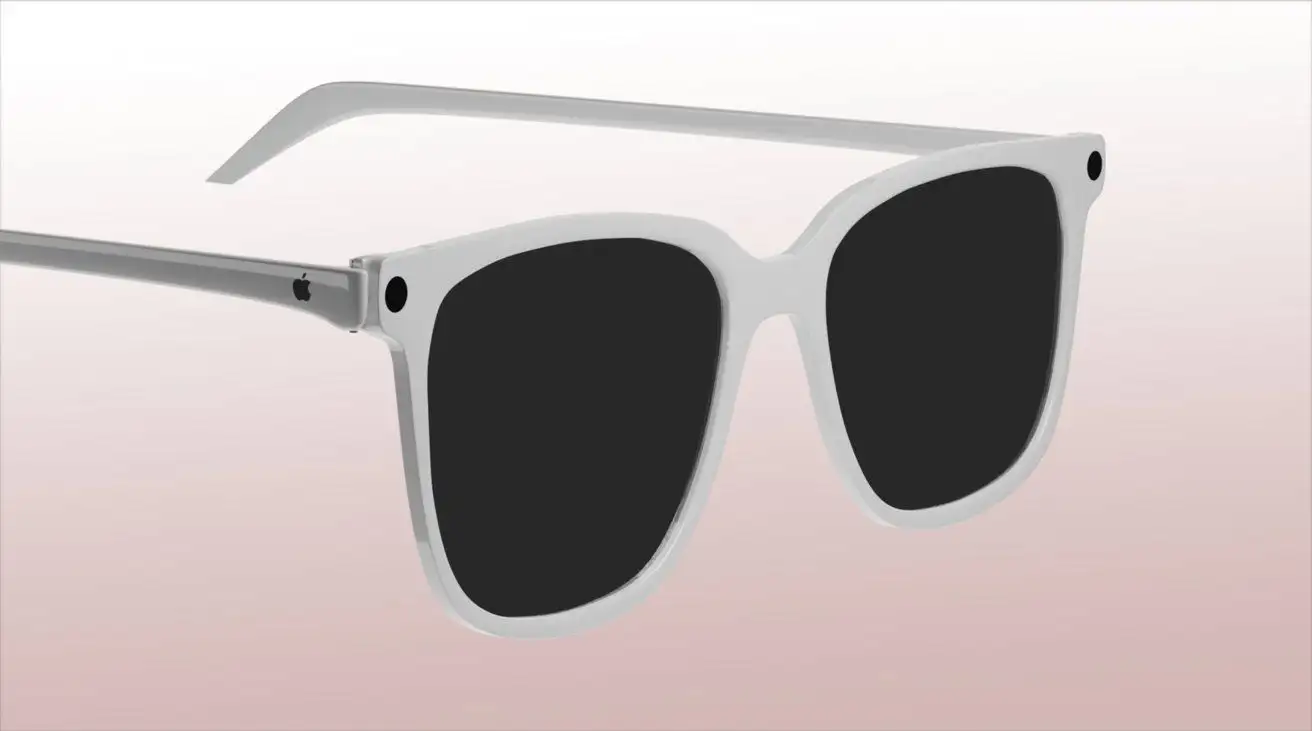 Photo via Lifewire // A concept of white and metal Apple Glasses, expected to come in 2027. The design right now is unclear.
Release date
Timelines will wobble (they always do), but the current chorus suggests Apple is aiming for a late-2026 to 2027 window depending on silicon readiness and the model mix (a simpler, non-display model tied to iPhone first; a display-equipped version after). If the chip hits its dates, 2027 feels safer than 2026 for broad availability.
Kuo’s 2027 volume call—3–5 million units—is the right mental model: not iPhone-scale, but way past “dev kit.” Enough units to seed a real ecosystem and push the whole market north of 10 million total units that year. Apple has that rising-tide effect; we’ve seen it with phones, tablets, and watches.
Apple's big swing
Phones won by being always there. Apple Glasses could win by being always on—quietly. Real-time translation when you meet a tourist in Los Angeles. A quick pinch to capture a note while carrying groceries. Subtle turn-by-turn cues without glancing down on a rainy walk. It’s small stuff, but small adds up.
Will Apple reframe the category? The ingredients are familiar: bespoke silicon, tight software, retail muscle, and that “it just works” loop that keeps support calls short. Mark Zuckerberg's Meta will race the display-glasses path; Apple will likely over-index on comfort, context, and privacy messaging. Different speeds, same destination.
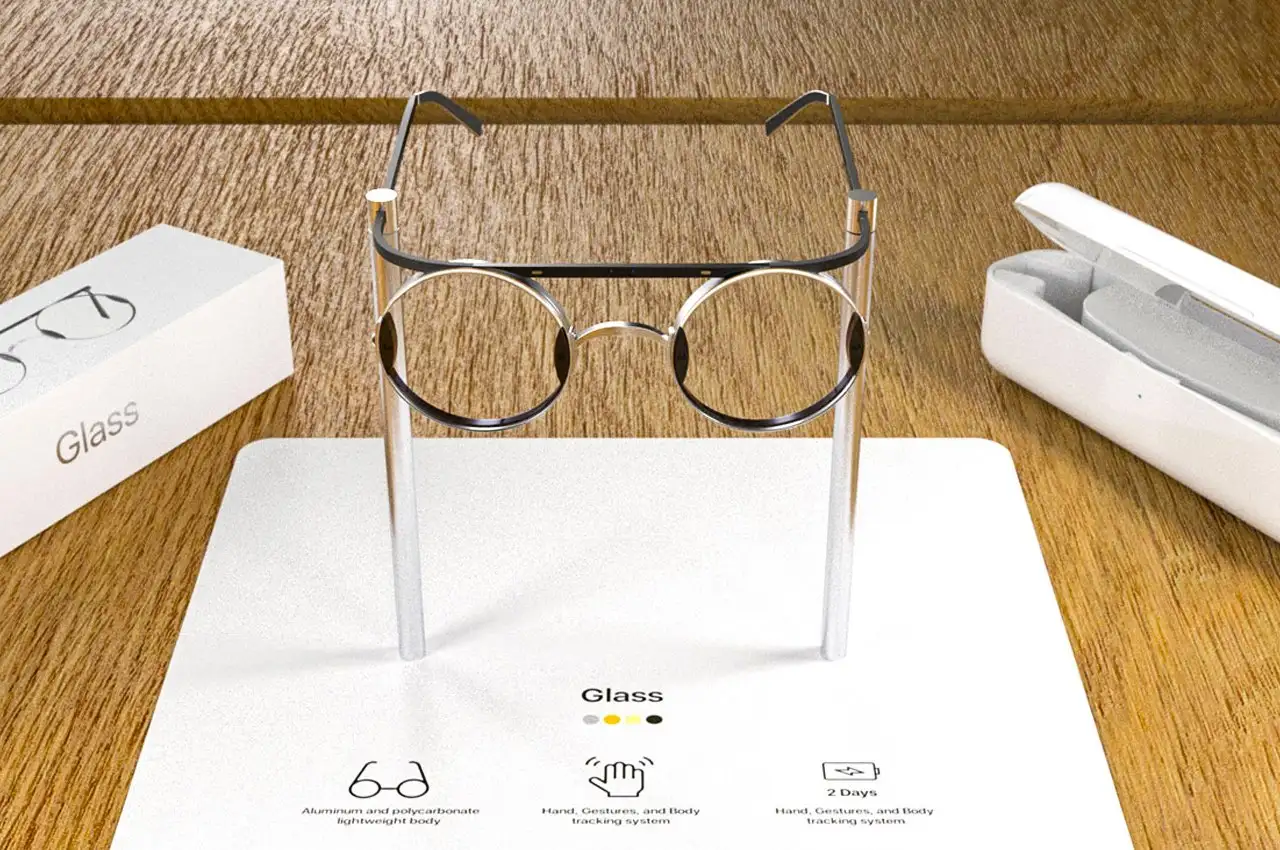 Photo via Al-Zahra // This Apple Glasses concept is a bit out there, but it's pretty nonetheless. Hopefully Apple surprises us with a gorgeous design in 2027.
What to watch next
- Chip breadcrumbs: any supply-chain signs of a low-power, multi-camera Apple SoC entering trial runs in 2026.
- Vision Pro story arc: if Apple keeps Vision Pro as a pro/executive toy, that’s a tell that glasses are the consumer play.
- Counterpoint charts: share shifts as H1 2026 data lands—does Meta hold >70% if Apple announces?
Final thoughts
Apple’s pivot to smart glasses doesn’t feel like a whim; it’s a response to a market that finally looks ready. If the silicon’s on time and the software leans into real-life chores, 2027 could be the year glasses stop being a party trick and start being, well, normal.
Recommended by the editors:
- No More September iPhones? Apple's Strategy Shift Changes Everything
- MacBook Pro M6 OLED Rumors: Release Date, Price, Features, and More
- iPhone 18 Rumors: Apple Reportedly Testing Under Display Face ID
- Intel Could Finally Return to Apple Computers in 2027
- Foldable iPhone Could Be Apple’s Most Expensive Phone Ever At $2,399
Published to Apple Scoop on 20th October, 2025.