iPhone 18 Series Already Rumored to Have These 14 New Features
- iPhone 17 may have just launched last month, but solid rumors about iPhone 18 are already circulating among tipsters & analysts.
- Smaller Island up top; bigger canvas story underneath. There are also rumors of a book-style, barely-there crease, titanium iPhone next year.
- Oh, and a split launch for the first time ever—Apple might stretch the hype into spring.
Apple’s next iPhone cycle isn’t shaping up as a quiet tune-up—it’s looking like a two-act show. The iPhone 18 family is already circling the rumor mill with a smaller Dynamic Island, sharper camera tricks like a variable aperture on Pro models, and serious silicon chatter around an A20 built on 2nm plus Apple’s own C2 modem. And then there’s the curveball: a book-style foldable joining the lineup, promising a clean inner canvas and a crease you barely notice. Sounds bold because it is.
What ties all of this together isn’t just specs—it’s rhythm. Rumors point to a split launch that stretches the hype from fall 2026 into spring 2027, keeping the spotlight warm while hardware gets smarter, cooler, and more battery-savvy. If you’ve been waiting for Apple to nudge design, optics, and performance forward without getting weird for weird’s sake, this rumor sheet reads like a checklist. Let’s map what’s likely, what’s fuzzy, and what could change how your iPhone actually feels day to day.
1. A smaller Dynamic Island (but not gone)
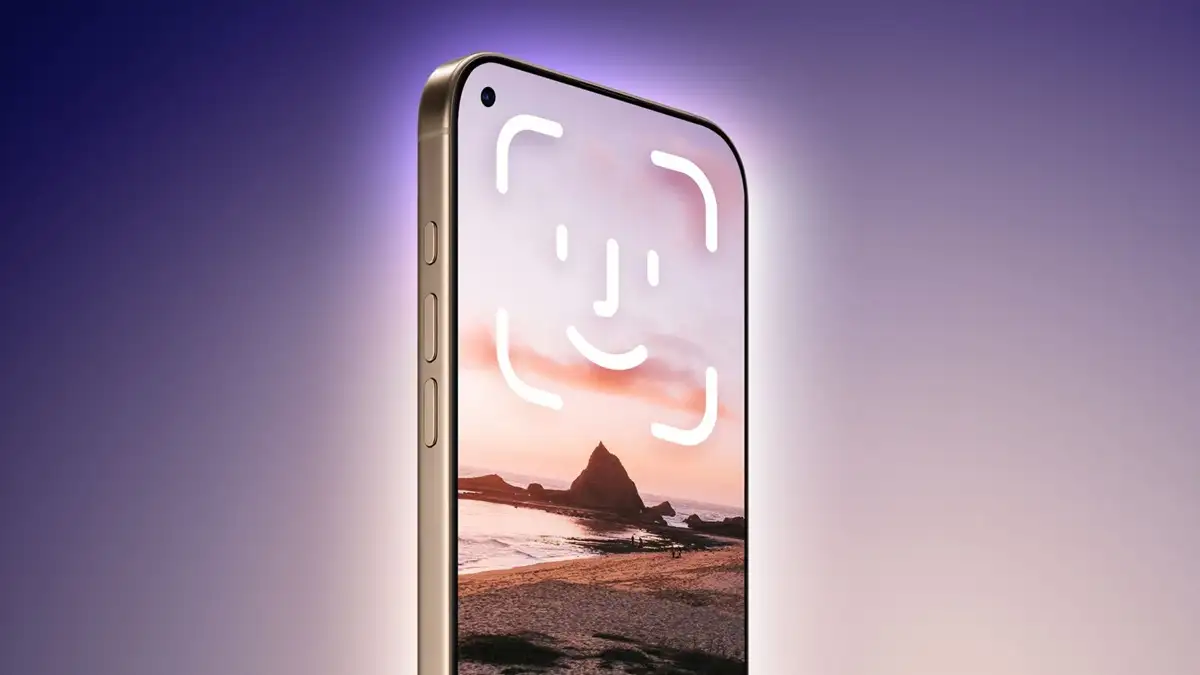 Photo via Gagadget // A concept rendering of Apple's upcoming iPhone 18 series (2026).
Let’s start with the thing you stare at all day. Multiple leak tracks suggest the entire iPhone 18 family—standard, Pro, and Pro Max—shrinks the Dynamic Island a notch. Not vanishing. Just… tidier. Why care? Because trimming the cutout can nudge screen real estate and push Apple closer to a clean, almost-all-screen front in future models. Under-display Face ID? That’s more of a “later” story; for 2026, the safe read is a smaller Island, not a hidden TrueDepth stack.
What it changes for you:
A slightly more immersive display and, maybe more interesting, a hint of Apple’s long game toward that rumored anniversary glass-slab look.
2. A “translucent” MagSafe area on the back
This one’s a little artsy and a little nerdy. The Ceramic Shield region around MagSafe is rumored to take on a slightly transparent / frosted character. It’s not full retro iMac vibes, but there’s a design cue here: a purposeful hardware highlight that telegraphs “this is the charging target” while adding texture. If Apple leans subtle, expect it to catch light nicely without screaming for attention.
What it changes for you:
Easier MagSafe positioning (muscle memory loves visual anchors), and a tiny aesthetic flex on cases that leave the ring visible.
3. Variable-aperture main camera on iPhone 18 Pro models
This is the camera nerd’s headline. A variable aperture lets you control how much light hits the sensor—think ƒ/1.7 for low light, stop it down for sharper corners and deeper focus. On phones, where sensors are small and depth of field is naturally deep, aperture shifts still matter: they tame highlights, control motion blur, and change the “feel” of a shot without relying only on computational tricks.
What it changes for you:
Less blown-out neon signs at night, better control in harsh sun, and a new creative knob alongside shutter and ISO in third-party apps.
4. A new stacked image sensor (Pro)
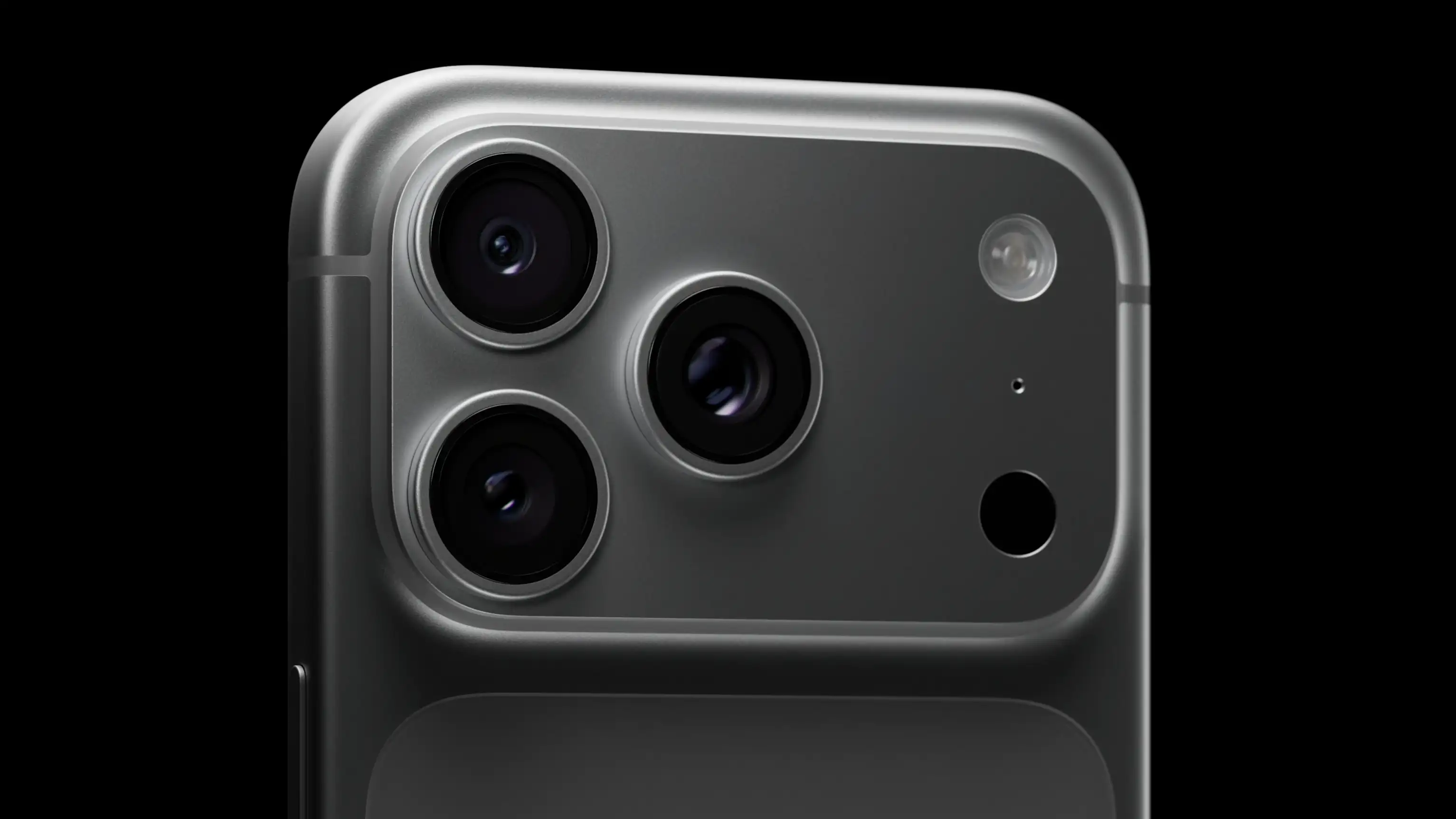 Photo via T3 // iPhone 18 Pro might look pretty similar to its 2025 counterpart, analysts suggest, but that doesn't mean everything is the same under the hood.
Rumors point to a three-layer stacked sensor arriving on at least one Pro model. Stacked architectures speed up readout and improve dynamic range—less rolling shutter, more highlight headroom, cleaner shadows. Pair that with Apple’s image pipeline and you get a camera that feels more “instant,” especially for 48MP ProRAW and HDR video.
What it changes for you:
Snappier capture when panning, fewer clipped skies, and more forgiving edits when you push exposure in Photos or Lightroom.
5. Apple’s C2 modem
The next Apple modem (C2) is expected to land in the iPhone 18 cycle, closing the gap with Qualcomm’s best. Expect better 5G stability, smarter power draw, and solid mmWave support where carriers still maintain those hot-zones. The bigger story is control: tighter silicon integration usually means efficiency wins and fewer “where’d my battery go?” moments on congested towers.
What it changes for you:
More reliable 5G in tough spots, gentler battery drain when streaming or tethering, and less modem-induced heat.
6) A20 on TSMC 2nm + WMCM packaging
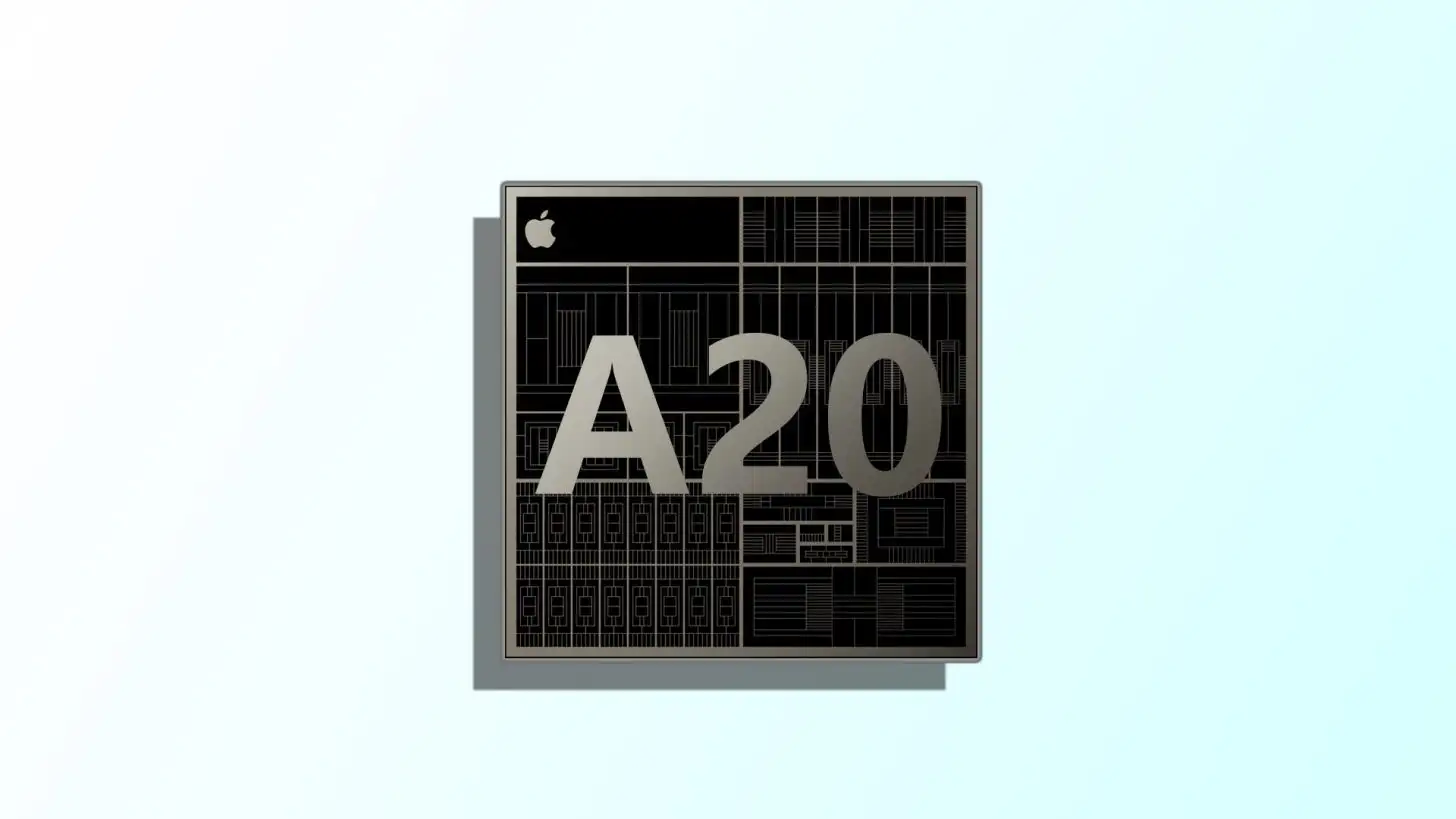 Photo via WCCF // 3D rendering of Apple A20 chipset, coming 2026.
Silicon folks, this is your dessert. Apple’s A20 is pegged to 2nm with Wafer-Level Multi-Chip Module (WMCM) packaging—bringing RAM onto the same package as CPU/GPU/Neural Engine. Translation: lower latency, tighter power behavior, and room inside the phone for other components.
What it changes for you:
Faster Apple Intelligence features, quicker app loads, better sustained performance for video capture and gaming—and likely cooler surfaces under stress.
7) Split launch strategy (Fall 2026 + Spring 2027)
This is a product-calendar shake-up. The premium crew—iPhone 18 Pro, Pro Max, and a new iPhone Air—arrive in September 2026, with the standard iPhone 18 and iPhone 18e sliding to spring 2027. Two waves, two news cycles, two chances to turn heads.
What it changes for you:
If you usually buy base models, your upgrade window shifts. On the flip side, Apple stretches the excitement curve, keeping iPhone top-of-mind into the new year (right as Samsung’s Galaxy S cycle heats up).
8. The first foldable iPhone joins the lineup
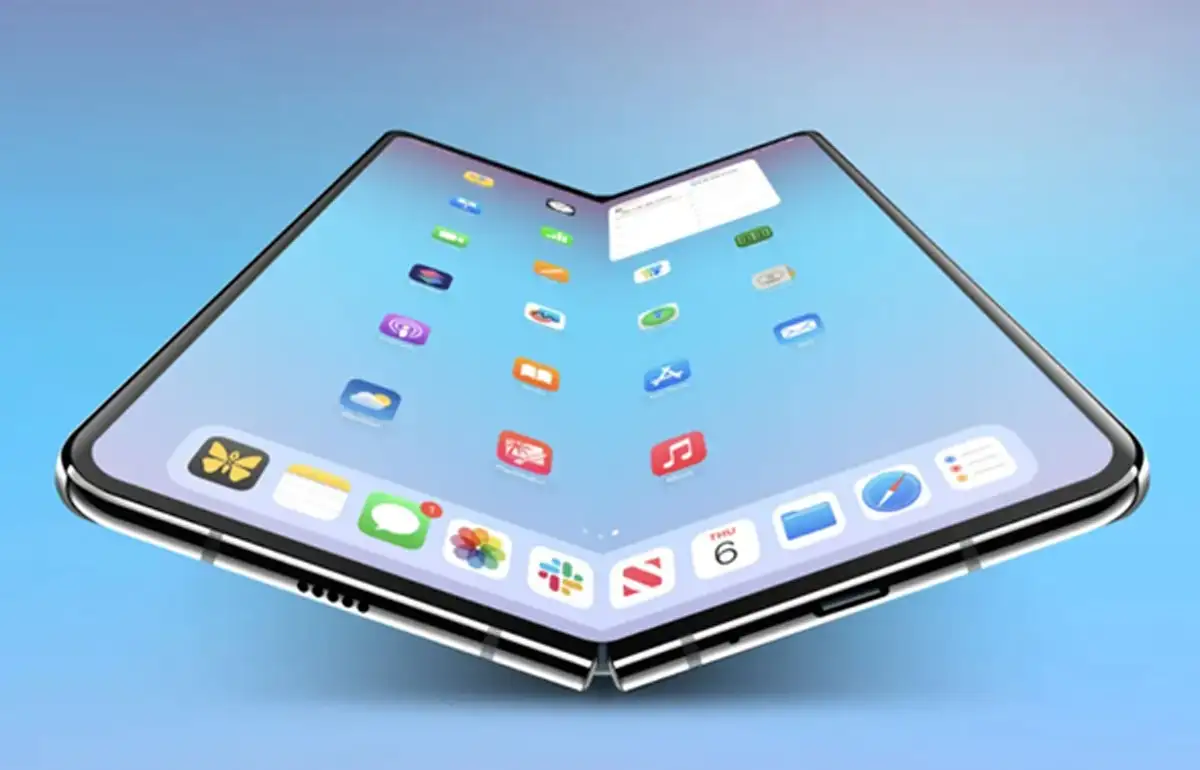 Photo via My Mobile on X // The foldable iPhone is coming: the latest rumor reports are pointing to a 2026 launch for an Apple brand book-style foldable smartphone.
Here’s the headline that steals all the oxygen: Apple’s book-style foldable finally enters the chat. Expect a compact outer screen for quick stuff and a wide inner screen for everything else—reading, maps, music production, code editors, you name it.
What it changes for you:
An iPhone that becomes a mini-tablet on command—without jumping platforms or juggling iCloud accounts.
9. Dual displays sized for real life: ~5.5" cover and ~7.8" inner
The outer display around 5.5 inches means the phone stays useful closed (think: reply, pay, navigate). Open it up and you’re looking at roughly 7.8 inches—big enough to run two iPhone-class apps side by side without feeling cramped. Apple’s trick will be software: smooth hand-offs when you crack it open mid-task and layout changes that feel native, not stretched.
What it changes for you:
Fewer “I’ll do this on my iPad later” moments. You’ll just open the phone and finish it now.
10. Ultra-thin glass and a near-invisible crease
Foldables live or die by the crease. Apple’s chasing a crease that’s “barely there,” combining ultra-thin glass with a hinge that spreads stress gently. You’ve seen creases you can spot across the table; Apple’s target is “you forget it exists unless you go looking under harsh lighting.”
What it changes for you:
Nicer pen-free writing, less light distortion on videos, and that satisfying “book page” look when scrolling text.
11. Titanium-leaning frame and a hybrid hinge stack
Materials matter. Expect titanium in the foldable’s stress points (for toughness without weight) with aluminum used where heat needs to move. The hinge itself? Think titanium + stainless steel with a dash of liquid-metal components—high strength, tight tolerances, and fewer wobble points over years of use.
What it changes for you:
A foldable that feels premium and solid on day one—and still tight at year three.
12. Cameras on the foldable: 48MP main + 48MP ultra-wide
Apple’s keeping the foldable lean: a Main and an Ultra Wide, both rumored at 48MP. No telephoto at launch threads the needle—thinner body, less weight, fewer moving parts. Open display portraits can crop from high-res main shots, and Apple’s image pipeline will push detail hard.
What it changes for you:
Simpler camera selection with pro-level files; fewer lens changes, more keepers.
13. Under-display inner camera and a punch-hole outer
To keep the inner canvas clean, the foldable’s inner camera sits under the display—good for video calls and scanning docs without a floating black dot. The outer screen likely uses a small hole-punch; it’s practical, familiar, and easy to ignore.
What it changes for you:
Full-screen reading and sketching inside, with everyday selfie convenience outside.
14. Touch ID in the side button (foldable), not Face ID
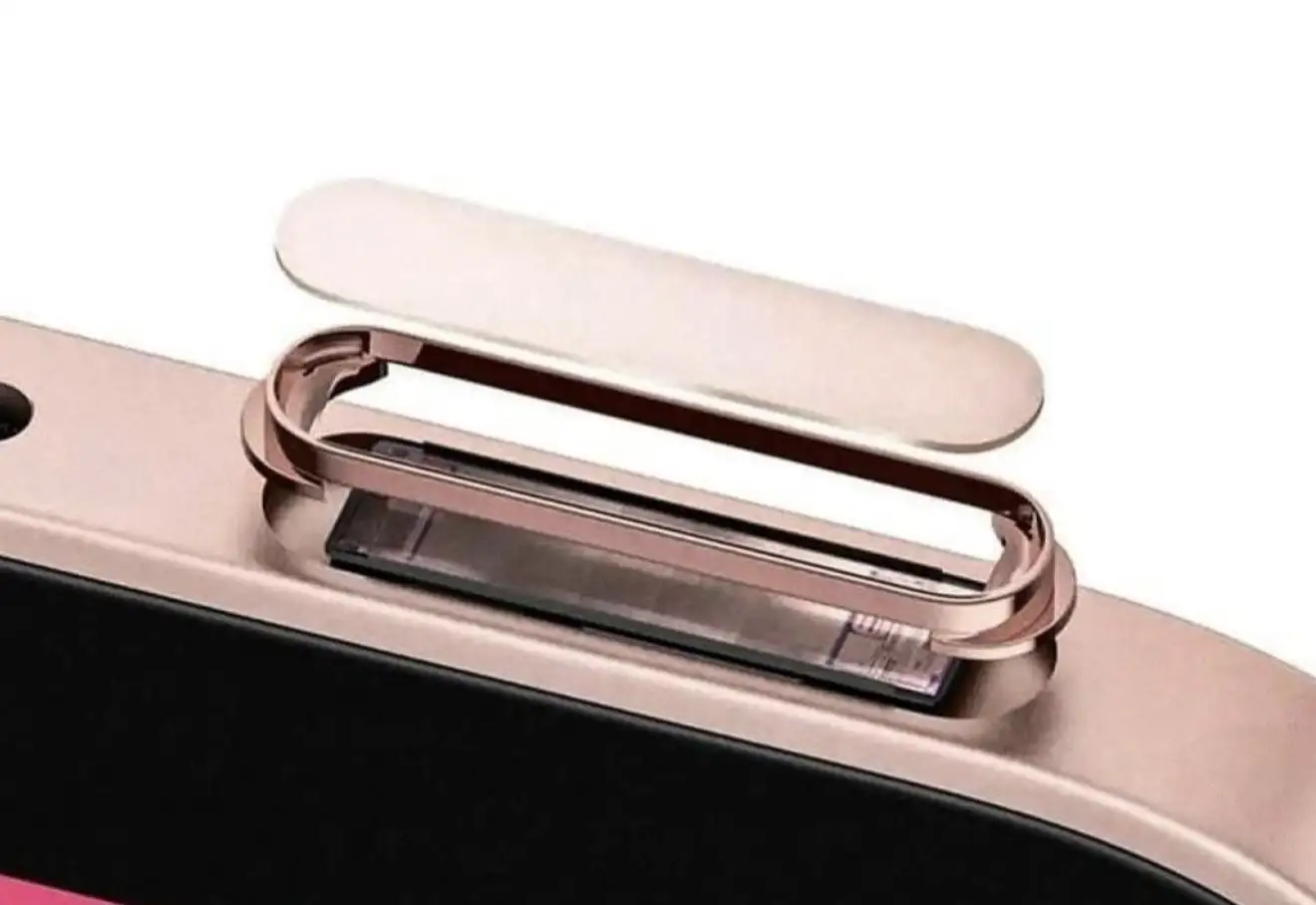 Photo via Passive Mentor // Apple's Touch ID sensor is rumored to make a return in 2026 with Apple's first foldable iPhone.
Face ID and folding panels don’t always get along, especially under screens. Early chatter suggests the foldable leans on a side-button Touch ID. If you’ve used an iPad Air or certain MacBook Touch ID buttons, you know the vibe—quick, reliable, and great when wearing a mask or riding a bumpy train.
What it changes for you:
Consistent unlocks in awkward angles and fewer missed scans when the phone is half-open.
What’s not arriving (most likely)
- Under-display Face ID on the slab phones (yet): the rumor needle points to the iPhone 19 era or later.
- A radical Pro redesign: sizes stay at 6.3" and 6.9", with the familiar camera plateau. Think subtle refinements over shock value.
iPhone 18 Performance
Put the A20’s 2nm cores, WMCM memory, and C2 modem together and you get a daily driver that simply… breathes. Less thermal throttling when shooting long 4K clips, smoother Apple Intelligence features (summaries, photo edits, on-device language tasks), and better idle drain when you’re roaming.
Translation: your phone should feel fast at 9 a.m. and still feel fast after a day of maps, music, and messages.
iPhone 18 Pricing
Early pricing rumors place the foldable somewhere around $1,800–$2,500. That’s eyebrow-raising, sure, but consistent with “first-gen Apple in a new category” energy. If Apple nails the crease, pens a great hinge, and delivers buttery hand-off software, people in that pro-power niche will line up anyway. Everyone else? The Pro and iPhone Air models are there to carry the mainstream.
Why a split launch actually makes sense & final thoughts
It sounds odd until you map it to the calendar. A fall Pro/Air/Fold event owns the holiday season. A spring base-model launch jolts the cycle awake when the industry usually naps—and, yes, brushes up against Samsung’s early-year push. It’s not chaos; it’s pacing. And it gives Apple room to keep stories alive without burning everything in one keynote.
You know what? If even two-thirds of this lands, the iPhone 18 cycle won’t just be “another S-year.” It’ll feel like Apple carefully turning several dials at once—design, optics, silicon, and format—without breaking the rhythm that makes an iPhone feel like, well, an iPhone.
Recommended by the editors:
- No More September iPhones? Apple's Strategy Shift Changes Everything
- MacBook Pro M6 OLED Rumors: Release Date, Price, Features, and More
- iPhone 18 Rumors: Apple Reportedly Testing Under Display Face ID
- Intel Could Finally Return to Apple Computers in 2027
- Foldable iPhone Could Be Apple’s Most Expensive Phone Ever At $2,399
Published to Apple Scoop on 11th October, 2025.