Top story
No More September iPhones? Apple's Strategy Shift Changes Everything
- Apple might be quietly moving the iPhone 18 (and 18e) out of September and into March 2027.
- The iPhone Air’s next version could show up in that same spring window—maybe with a bigger battery-life story than anyone expected.
- The “delay” might actually be Apple’s new normal: fall for Pros, spring for everyone else.
For the last decade, Apple has trained all of us to treat September like iPhone New Year’s. New phones, new cameras, new colors, and a whole new set of reasons to argue about USB-C accessories. It’s a ritual.
So the idea that Apple’s most mainstream iPhone — the plain, normal, “this is the one most people buy” model — might not launch in the fall? That’s the kind of rumor that makes you stop mid-scroll.
But that’s exactly what’s being reported: the iPhone Air’s next version could land around March 2027, and it may arrive alongside the standard iPhone 18 and a lower-end iPhone 18e, rather than in a traditional September wave.
At first blush, it sounds like Apple losing its grip on the calendar.
Then you look at the bigger pattern and go… oh. This might be Apple tightening control, not slipping.
 Photo via Volodymyr // A concept rendering of Apple's upcoming iPhone 18 Pro.
The calendar shift that Apple has been inching toward
Here’s the thing nobody loves admitting: the iPhone lineup has gotten big enough that a single “everything drops in September” event starts to feel cramped.
According to Gurman’s reported roadmap, Apple could put the high-end models (think Pro, Pro Max, plus the long-rumored foldable) into fall 2026, and then roll out the base iPhone 18, iPhone 18e, and possibly a refreshed Air roughly six months later in spring 2027.
 Photo via BGR // Apple iOS 27.
That’s not just a scheduling quirk. That’s a strategy: two iPhone seasons.
And honestly? It fits Apple’s current personality. Apple likes clean product stories. If fall becomes “power user iPhones” and spring becomes “the iPhone most people actually buy,” the messaging gets simpler, not messier.
It also spreads attention across the year, which (let’s be real) Wall Street tends to enjoy.
Was the iPhone Air “delayed,” or was it always meant to be weird?
The iPhone Air is the wildcard in all of this, because there are two competing explanations floating around — and both feel plausible.
One thread, tied to reporting around The Information, suggests Apple pushed the next Air out because demand for the first model was softer than expected, and Apple wanted time to add a second rear camera to make the device feel less compromised. Reuters summarized that claim as a delay from a planned fall 2026 window, tied to weaker sales expectations.
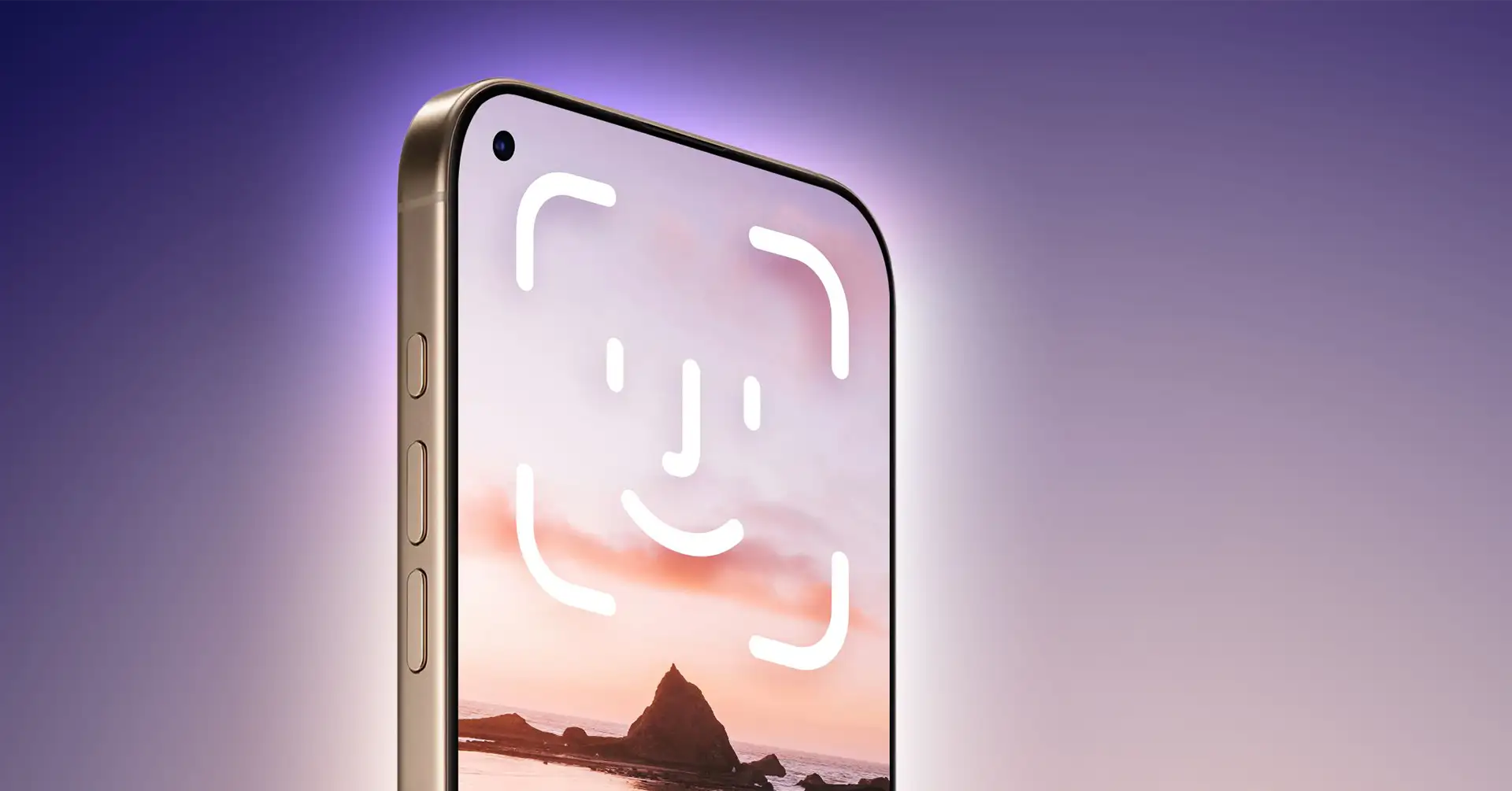 Photo via BGR // iPhone 18 with a punch hole camera.
But Gurman’s framing is different. In the coverage of his reporting, the idea is that the Air refresh wasn’t really locked to an annual cycle anyway, and that the bigger focus is a move to a 2-nanometer chip—a change that could improve battery life, which is exactly the sort of “Air problem” people talk about first.
There’s also a fun little tension in the camera rumor itself: Gurman basically says, “Sure, it’s possible,” but calls the second-camera idea kind of odd because the camera area is already tight, and reworking it just to add an ultrawide might be a lot of effort for a model that isn’t selling at Pro volumes.
Which is very Apple, by the way. Apple will happily do extra engineering… but it likes that engineering to pay off across multiple products. If the foldable’s camera layout eventually “trickles down,” then the Air getting two cameras starts to feel less random.
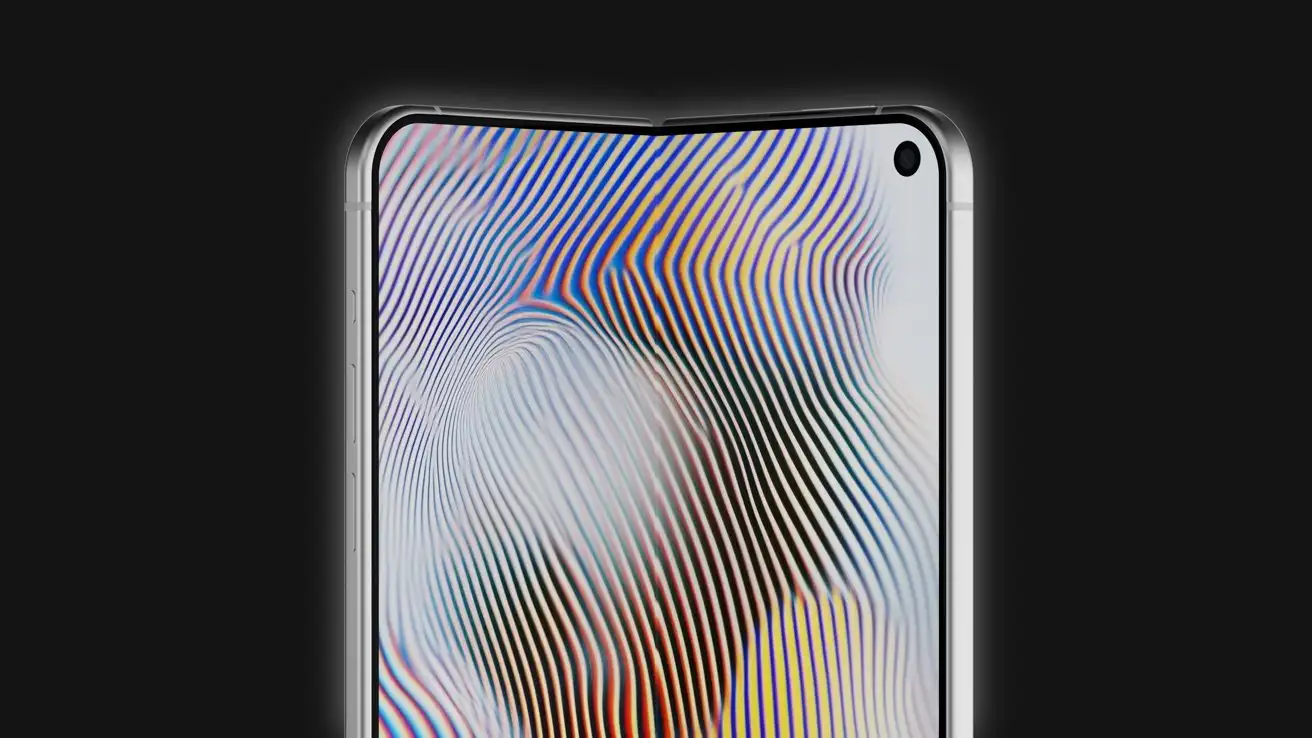 Photo via AppleInsider // Foldable iPhone concept.
The iPhone 18 camera rumor people want is probably not happening (yet)
Now let’s talk megapixels, because this is where the internet gets loud.
There’s been chatter that Apple might jump to 200MP soon, partly because Android flagships have made that number feel like the new bragging right. But a Morgan Stanley investor note reported by AppleInsider suggests Apple doesn’t bring a 200MP sensor to iPhone until around 2028, with the iPhone 21 being the more likely first home for it.
If that’s right, then the iPhone 18 era is more about sharpening the system you already have than chasing a headline.
And I know, that sounds like a cope. But it’s also how Apple tends to win in cameras: not with the biggest number, but with the most consistent results. You can feel that in real life—skin tones that don’t swing wildly, HDR that doesn’t turn every sunset into neon, video that’s still annoyingly hard for competitors to match.
So if iPhone 18 Pro rumors lean toward things like better sensor designs and more advanced camera behavior rather than a megapixel leap, that’s not boring. That’s Apple doing the stuff that shows up when you take a photo of your friend at dinner and it just… looks right.
And then there’s 2027: the “anniversary iPhone” fantasy
The other reason this two-season launch idea feels believable is that Apple seems to be stacking the deck for a bigger design moment later.
Multiple reports summarized by MacRumors (based on The Information and Gurman’s earlier notes) describe a special 20th-anniversary iPhone in 2027 with an extremely “Apple concept render” direction: a more seamless, curved glass design, plus a push toward hiding the front camera and sensors under the display.
Is that guaranteed? Of course not. iPhone rumors this far out always come with a fog machine.
But the direction makes sense. Apple has been slowly reducing front-facing clutter for years. Even Dynamic Island, as much as people joke about it, feels like a transitional step—something that lets Apple change the hardware while keeping the interface intentional.
What this means if you’re buying an iPhone
If Apple really does split the iPhone year, the biggest change isn’t “events.” It’s timing psychology.
A spring iPhone 18 launch would mean the base model isn’t competing directly with the Pro models for attention. It gets its own moment. And it also means the Pro phones and the foldable can dominate fall without Apple having to squeeze in everything at once.
The one downside is obvious: the casual buyer might get confused for a year or two. People are used to walking into a store in October and asking for “the new iPhone.” If the “new iPhone” becomes two different answers depending on the month, Apple’s marketing has to get even clearer.
But if anyone can pull off a weird calendar and make it feel normal, it’s Apple. They turned removing the headphone jack into a decade-long argument and still sold a billion AirPods.
Recommended by the editors:
- iPhone 18 Rumors: Apple Reportedly Testing Under Display Face ID
- Foldable iPhone Could Be Apple’s Most Expensive Phone Ever At $2,399
- 200+ Best Winter Wallpapers for iPhone & Android (Free 4K/HD)
- iPhone Fold and iPhone Air 2: Rumors, Release Date, Design, Cameras, and More
- iPhone Fold Rumors: Release Date, Design, Cameras, Pricing, and More
Published to Apple Scoop on 10th January, 2026.