iPhone Fold and iPhone Air 2: Rumors, Release Date, Design, Cameras, and More
- Apple may ship a book-style foldable as soon as late 2026 — but it’s not guaranteed.
- Leaks say a 5,400–5,800mAh battery could make the Fold the iPhone with the biggest pack yet.
- Expect Pro positioning and a $2,000+ price — this won’t be a mass-market phone. Read on...
If you’ve spent the last few years watching foldable phones blossom on Android and quietly wondering when — or if — Apple would join the party, you’re not alone. Foldables from Samsung, Google and Motorola have chipped away at the idea that a phone can also be a small tablet; they’ve also taught manufacturers some hard lessons about durability, hinges and that maddening middle crease. Apple, predictably, hasn’t rushed. But lately the rumor machine has sounded different — louder, more specific — and for the first time in ages it feels reasonable to think an iPhone that folds might actually arrive within a year or two.
Here’s the thing: there are two stories running in parallel. One is the story of a folding iPhone — the halo product, the thing you buy if you want to look like a tech showstopper. The other is the quieter tale of the iPhone Air, the slim, design-forward model Apple introduced alongside the iPhone 17. Both are connected. The Air’s interior architecture — the way Apple squeezed camera, battery and logic into a paper-thin frame — reads like prep work for an Apple foldable device that needs to be thin when closed yet robust when open.
Release Date
Analyst takes and supply-chain chatter have been all over the map — but they’re starting to agree on a window. Ming-Chi Kuo, who’s often right about Apple, has said an Apple book-style foldable could appear near the end of 2026 or very early 2027, describing a device with about a 7.8-inch inner display and a 5.5-inch outer screen. That’s the “big tablet inside, phone outside” formula.
 Photo via AppleInsider // A concept rendering of Apple's upcoming first-ever Foldable iPhone.
At the same time, other industry trackers — remembering how fragile early foldables were — have pushed the timetable back, arguing Apple will wait until 2027 at the earliest so it can solve stubborn display crease and reliability problems. TrendForce made that call earlier and warned that display durability remains Apple’s key gating item. So both timelines make sense: Apple could ramp production in 2026 and ship limited quantities, or it could hold the whole thing until 2027 if any component (like the panel or hinge) underperforms. That cautious logic is classic Apple.
Then there’s the intriguing roadmap twist from Bloomberg’s Mark Gurman: rather than dumping every iPhone at once each September, Apple may split big releases. The Pro-tier phones (and possibly a foldable) could land in fall 2026, while the base models and a refreshed iPhone Air might arrive in spring 2027. That stagger both eases supply pressure and gives Apple space to treat the foldable as a premium experiment rather than a mass-market roll-out.
Design
If Kuo and the patents are right, picture a book-style iPhone that opens to a broad, nearly tablet-sized interior screen and folds shut to a compact one-handed phone. Apple’s patents — the company has been quietly stacking up filings about folding displays and hinge tech for years — show the kind of engineering problem it’s solving: keeping a fold flat, protecting the display in a drop, and balancing glass thickness so it doesn’t shatter or crease catastrophically. Those are not small things; they’re the core of why foldables took so long to be sensible for everyday use.
Expect premium materials. Rumors mention stainless steel and titanium alloy in hinge assemblies and high-density battery cells borrowed from the “ultra-thin” designs Apple has been testing. And because Apple likes to simplify new tech into familiar product categories, the Fold will likely arrive positioned as a Pro-class device — spectacular, but not for everyone. Expect the price to reflect that. Ming-Chi Kuo’s estimates put it in the roughly $2,000–$2,500 range, which matches the idea of a limited, high-margin product rather than a mass-market handset.
Battery
This is the rumor that makes battery-phobic iPhone fans sit up. Recent leaks from supply-chain tipsters claim Apple has been testing Fold prototypes with batteries in the 5,400–5,800 mAh range — comfortably above any iPhone shipped so far and also bigger than current Android book-style foldables. If true, that would help offset the juice drain of a 7.6–7.8-inch inner display. Naturally, leaks should be treated as signals, not guarantees; Apple prototypes often try many battery configs before settling on a final number. Still, the idea that Apple would prioritize battery here tells you how seriously they’re taking usability, not just headline specs.
But a big battery alone doesn’t guarantee long life: efficient silicon, display refresh rates, software power management and how you actually use that inner screen all matter. So yes: big battery rumor = promising. Also yes: don’t assume it’ll translate to two-day life out of the box without real-world testing.
Cameras & Sensors
Apple has engineering constraints (surprise!). Rumors point to a dual-rear camera on the Fold rather than a full Pro triple set, with front-facing cameras on both the inside and outside displays. Because the Fold stacks so many layers — display, touch sensor, hinge space — there’s talk that Face ID might be skipped in favor of a return to Touch ID embedded in the side button. That’s sensible: Touch ID is reliable, thin, and avoids the bulk that Face ID sensor arrays demand. If you love Face ID, this will feel like a backward step; if you value thinness and reliability more, you’ll nod. Either way, Apple tends to ship refined compromises rather than half-measures.
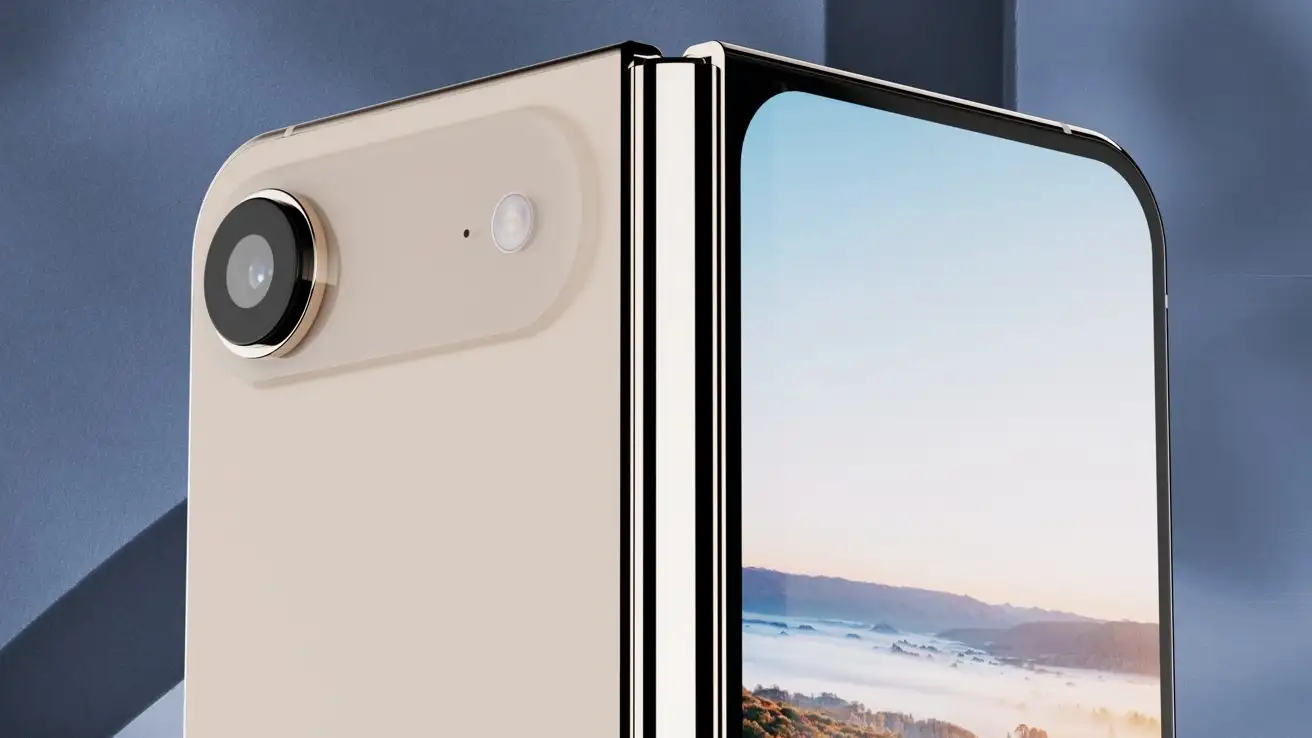 Photo via AppleInsider // Apple's unreleased iPhone Fold rear cameras 3D concept.
iPhone Air 2
While the Fold grabs headlines, a quieter but commercially important story is the iPhone Air. The first Air was Apple’s thinnest iPhone yet and a design conversation-starter. Sales apparently fell short of blockbuster territory — which may be why some reports framed a second Air as “delayed” — but Mark Gurman’s reporting suggests Apple still plans a refreshed Air in spring 2027, potentially with a 2nm-class A-series chip, a larger battery, and even a vapor-chamber cooling system. In short: the Air is being tuned so it doesn’t just look astonishingly thin — it also behaves like a reliable daily driver. If you’re not into folding devices, this is the one to watch.
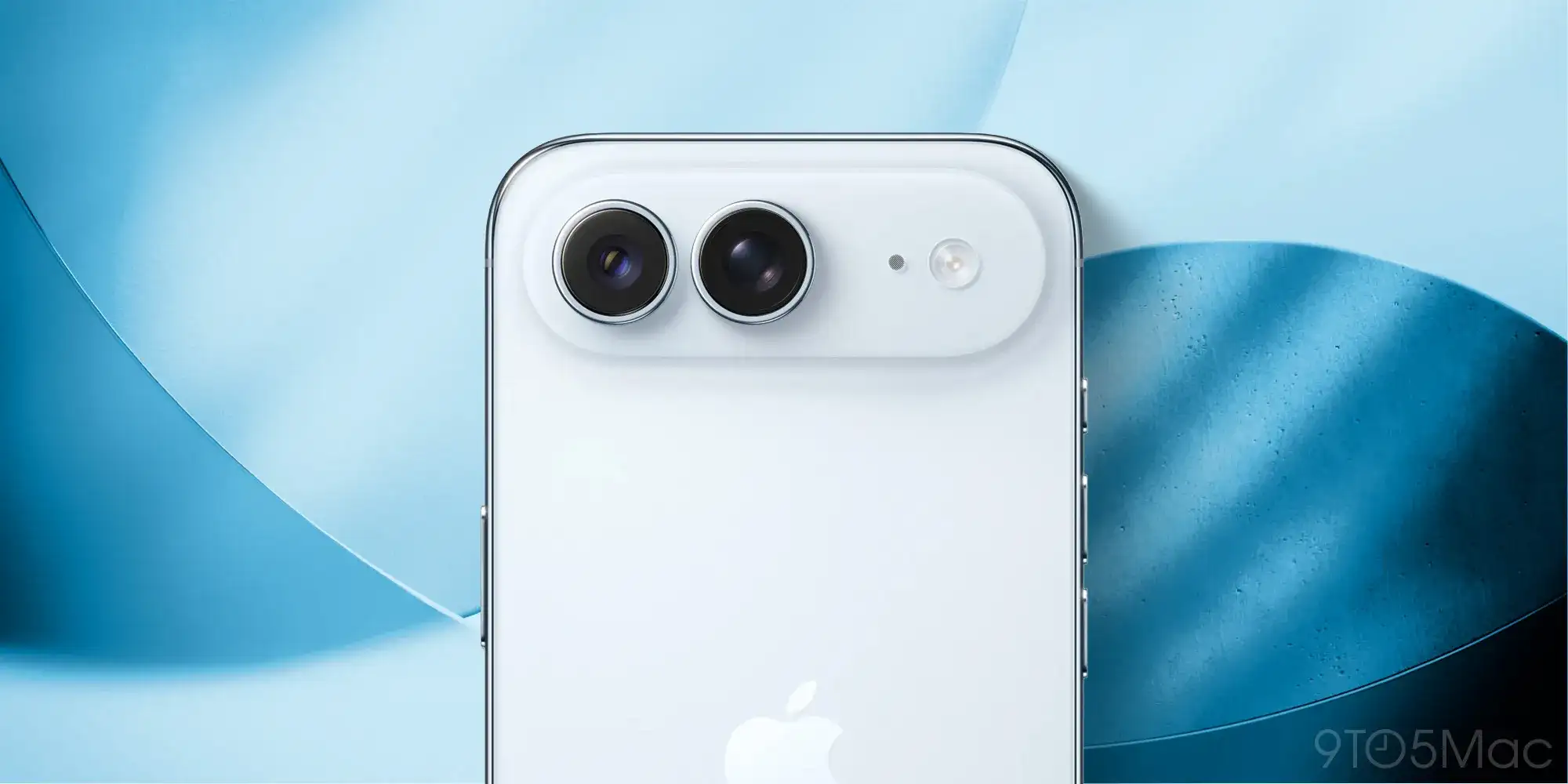 Photo via 9to5Mac // A concept of Apple's iPhone Air 2 with two rear cameras, instead of just one.
There are arguments for and against buying the Air now versus waiting. If you want the style and can stomach slightly lower battery life, the current Air is a bold fashion choice. If you want the same look but longer run times and possibly a second rear camera, waiting for the iPhone Air 2 in 2027 makes sense — especially if Apple truly adds a more efficient 2nm chip.
Should you wait?
This is where rumor fatigue meets real life. People ask me all the time: “Should I hold on to my phone until the Fold?” My blunt answer: it depends on what you value. If you need reliability, long battery life, and big camera chops today, grab a mainstream Pro model now. If you’re a gadget-first adopter and love the idea of an iPhone that folds, waiting for a late-2026/2027 Fold is reasonable — but be ready for a steep price and a first-gen experience that might have tradeoffs.
If the Air’s look and pocketability appeal to you more than the spectacle of folding, the Air 2 could be the practical, prettier compromise — especially if Apple fixes the battery and adds a second camera. And if your current phone is gasping for life? Don’t make your next ten months miserable in the hope of a rumor becoming reality. Phone timelines are slippery; product launches have delays; and the only phone that’s guaranteed to exist is the one in your cart. (That said, if you’re flush and curious, preorders will be fun to watch.)
What I’m watching next
Two things will move my personal needle: first, actual production ramps — real component orders appearing in supply reports mean a launch is imminent. Second, hands-on units from reputable reviewers or an Apple event demo — those will show whether Apple solved the crease problem without making the device too heavy or fragile. Also: if Apple can actually match the rumored battery sizes in real-world tests, I’d be impressed. Big battery + efficient silicon + software power tweaks = a foldable that might actually feel like an everyday phone, not an expensive toy.
Final thought
A foldable iPhone has been teased for so long that skepticism is healthy. Apple likes to polish things until they hum, and that sometimes means waiting. But right now the picture is clearer than it’s been: patents show long-term R&D, analysts see component timelines, leaks hint at a serious battery, and reporters like Gurman sketch a staggered calendar that would let Apple treat the Fold as a Pro-class, carefully rolled-out product. Taken together, all that suggests we’re not looking at vaporware — we’re looking at a new chapter that’s very likely to open in late-2026 or 2027. Whether it’s worth the hype will come down to execution, price, and how Apple balances thinness with durability.
So — what would make you open your wallet for a foldable iPhone? A crease that’s truly invisible? Two days of battery life? Or is the idea of folding good enough on its own?
Recommended by the editors:
- No More September iPhones? Apple's Strategy Shift Changes Everything
- iPhone 18 Rumors: Apple Reportedly Testing Under Display Face ID
- Foldable iPhone Could Be Apple’s Most Expensive Phone Ever At $2,399
- 200+ Best Winter Wallpapers for iPhone & Android (Free 4K/HD)
- iPhone Fold Rumors: Release Date, Design, Cameras, Pricing, and More
Published to Apple Scoop on 19th November, 2025.