Upcoming iPhone Air 2 Could Feature Two Rear Cameras
- Apple’s ultra-thin iPhone is tipped to add a 48MP ultrawide while keeping the horizontal camera bar.
- Expect 0.5x to 2x versatility—still no true telephoto, just smart 2x crop.
- The thin-phone tax remains: battery and heat need a better plan for version 2. Read on...
I think it's safe to say that Apple didn’t build the iPhone Air to win spec sheets; it built it to feel like nothing in your pocket. That was the whole point—make a full-fat iPhone that’s thin enough to make a difference in your daily life, even if it comes with a few tough trade-offs. The first-gen model nailed the vibe, but it missed on a few of the basic, core features customers now expect. The rumor mill is now saying that Apple’s adding exactly what everyone asked for: a second rear camera.
 Photo via WCCF // A concept rendering of an iPhone Air with dual camera design.
Here’s the thing—two lenses don’t magically fix everything. But they do change the conversation.
The rumor, in plain English
Whispers from the supply chain say Apple’s evaluating a dual-camera setup for the next iPhone Air: keep the 48MP Fusion main, add a 48MP ultrawide, and retain the Air’s distinctive horizontal camera “plateau” rather than switching to the iPhone 17’s vertical stack. Translation: Apple wants versatility without giving up the thin, lightweight look—and the internal space those side-by-side modules protect for the battery and logic board.
You know what? That checks out. The Air’s design isn’t just a style choice; that plateau is a little apartment complex for antennas, coils, and thermal routing. Cramming in another sensor means a careful reshuffle, not a makeover.
Why an ultrawide matters more than you think
If you shoot travel, food, events, or—let’s be honest—pets, the ultrawide is huge. It’s the lens that makes small rooms look big, turns tall buildings into postcard shots, and adds drama without stepping back into traffic. With a 48MP sensor, you also get better detail retention, cleaner edge geometry, and more headroom for Smart HDR and night shots.
- Creative reach: Landscapes, table spreads, close-up architecture—ultrawide is a fresh angle, literally.
- Video flexibility: Think smooth, wide establishing shots without a gimbal.
- Computational perks: More pixels give Apple’s ISP room to stabilize, denoise, and sharpen without that crunchy, over-processed look.
Does it fix everything? No. But it fixes the most obvious missing piece from the first Air.
 Photo via Apple Hub // The rumored dual rear camera design on Apple's iPhone Air 2.
Telephoto: expectations, meet physics
There’s chatter about “telephoto capabilities,” but that mostly refers to Apple’s clever 2x crop on the main 48MP sensor. It’s good—shockingly good in daylight—and it keeps the phone thin. What it’s not is a dedicated telephoto lens with prisms and folded optics. Those take space, and the Air’s mantra is still thin first.
If you shoot a lot of concerts or wildlife, the 17 Pro’s tetraprism still runs circles around any crop trick. That’s okay. The Air was never meant to be a Pro camera slab.
The horizontal camera plateau isn’t just a look
Let’s talk about that “why not go vertical like the 17?” question. The Air’s horizontal bar spreads components across a wide, low profile, which helps two things: a bigger continuous battery footprint and a stable, heat-friendly layout. Vertical stacks concentrate thickness in one spot and often demand deeper modules; that’s a tougher fit when your pitch is “paper-thin.”
Keeping the plateau also keeps the Air instantly recognizable. You glance at it and know—oh, that’s the thin one.
The thin-phone tax
Adding a second camera is great, but the Air still has to solve the unglamorous stuff:
- Battery life: Gen 1 trailed the standard model. An ultrawide won’t change that. Apple will need efficiency gains from A-series silicon, smarter display drivers, and maybe a hair more battery volume unlocked by internal redesign.
- Thermals: A cool phone feels faster and ages better. If Apple can spread heat more evenly under that camera plateau, we might see fewer “why is this warm?” moments.
- Charging reality: If fast wired speeds don’t climb, Apple needs to make the experience feel faster—better top-offs, tighter power management, and yes, accessories that don’t feel like a band-aid.
Honestly, none of this is unsolvable. It’s just the bill you pay for a phone that slips into slim jeans and disappears.
Who is the Air actually for?
Not everyone. And that’s fine.
- If you live on long zoom and RAW workflows, you’re a Pro person.
- If you want the classic “no fuss, full battery, fair price,” the standard model stays compelling.
- If you crave lightness, love the feel of a thin slab of glass and aluminum, and shoot mostly 0.5x–2x? You’re the Air’s audience.
The upgrade to a dual-camera setup makes the Air far easier to recommend to normal people—folks who don’t care about sensor-shift spec sheets but do care that group photos, room shots, and city weekends look great.
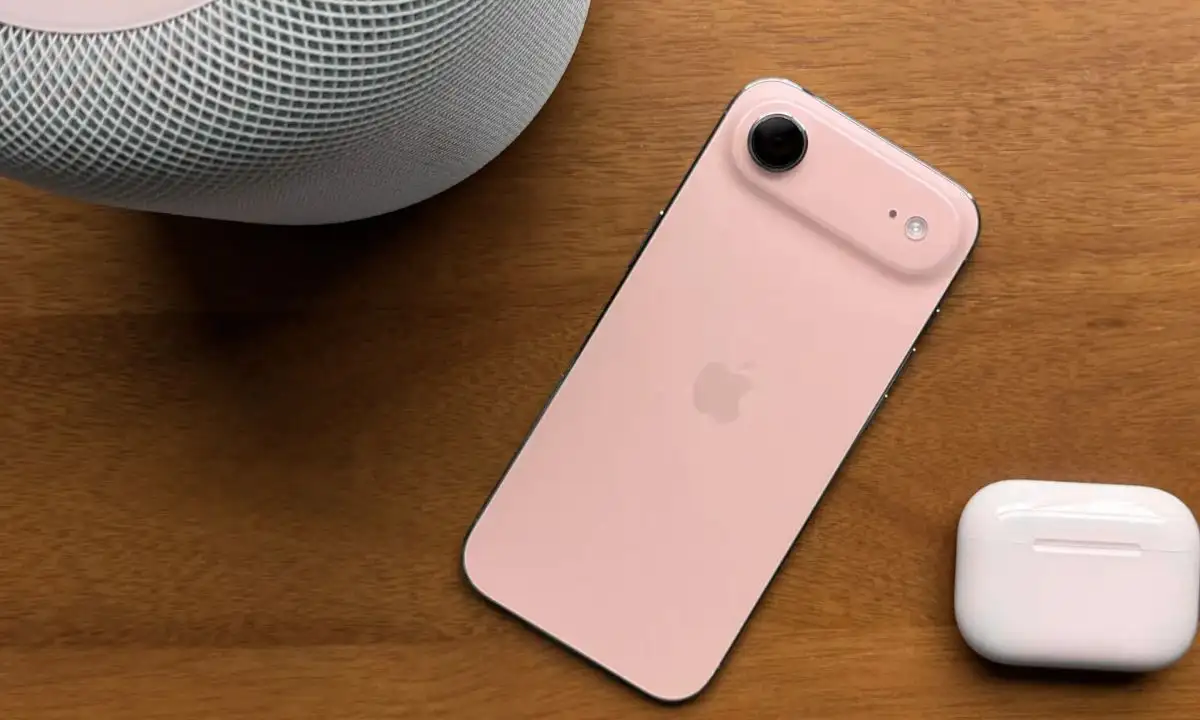 Photo via BGR // Apple's first-generation iPhone Air reportedly underwhelmed Apple when it comes to sales numbers. A better camera lineup with iPhone Air 2 might fix that.
A quick reality check on sales
There’s been noise that the Air hasn’t lit up global charts outside of China. Apple's sales numbers for the first-generation iPhone Air were reportedly so low that the company is scaling it back to "end of production" numbers just months after launch. But that doesn’t doom the ultra-thin-phone concept. Apple has a habit of iterating until the idea clicks—remember Plus and mini? Those lines rested, but their lessons fed into everything else. If Air 2 (or iPhone 18 Air, if naming lines up) lands with better battery management and that ultrawide in tow, it feels less like a niche and more like a lifestyle pick.
What to watch as 2026 nears
- Ultrawide specs: Aperture, pixel binning behavior, and night performance will tell us how serious Apple is about low-light on a thin phone.
- ISP upgrades: The leap in Apple’s image pipeline often matters more than raw megapixels—especially for skin tones and HDR balance.
- Thermal story: Materials, graphite stacks, even minor chassis tweaks can make a real difference.
- Charging narrative: If wired speeds stay conservative, expect Apple to focus on smarter power draw and healthier overnight behavior.
- Camera plateau size: If it grows subtly, that’s your hint Apple carved back internal volume to help battery or thermals.
The bottom line
A second 48MP lens doesn’t turn the Air into a Pro, and it shouldn’t try. What it does is close the most obvious gap while keeping the phone’s reason for being intact—thin, light, confident. Give it stronger thermal behavior and a more resilient battery story, and the Air goes from “pretty but compromised” to “this is the one I actually want to carry every day.”
And that—quietly, casually—is the win that matters.
Recommended by the editors:
- No More September iPhones? Apple's Strategy Shift Changes Everything
- iPhone 18 Rumors: Apple Reportedly Testing Under Display Face ID
- Foldable iPhone Could Be Apple’s Most Expensive Phone Ever At $2,399
- iPhone Fold and iPhone Air 2: Rumors, Release Date, Design, Cameras, and More
- iPhone 18 Pro Colors Leak: Coffee, Purple, Burgundy — Still No Black
Published to Apple Scoop on 8th November, 2025.