Apple Scales Back iPhone Air To 'End Of Production' Levels
- Nikkei says iPhone Air orders have fallen to end-of-production levels.
- The base iPhone 17 and 17 Pro/17 Pro Max models are still selling fast, especially in China.
- Thin feels nice, but maybe the value isn't quite there yet. Let's talk about why Apple’s fourth slot keeps changing.
If you were watching delivery dates after the iPhone Air launch, you probably noticed… nothing moved. Ship windows stayed immediate. That alone doesn’t prove soft demand—sometimes Apple simply nails the supply math—but paired with new reporting, it’s getting harder to argue the Air is flying off shelves. 9to5Mac relayed a Nikkei Asia piece saying Apple told multiple suppliers to cut iPhone Air orders to levels you typically see near a model’s sunset—less than 10% of September’s run starting in November, according to one supplier manager.
Now, that sounds dramatic. But let’s translate it into how Apple actually builds things.
 Photo via MacRumors // Apple iPhone Air (2025), officially announced in September.
What does 'end-of-production' mean?
Apple runs a lean, just-in-time chain. You don’t stockpile six months of parts; you meter them to demand. So when a supplier says volumes in November drop to sub-10% of September, it’s not necessarily a death knell—it’s a reset to match the sell-through Apple sees right now. Still, paired with other signals, it’s not a flattering reset. MacRumors summarizes a round of notes: Mizuho Securities trimmed its iPhone Air forecast by ~1 million units for 2025, while other iPhone 17 models ticked up. Later the same day, more coverage echoed “virtually no demand” language from Nikkei.
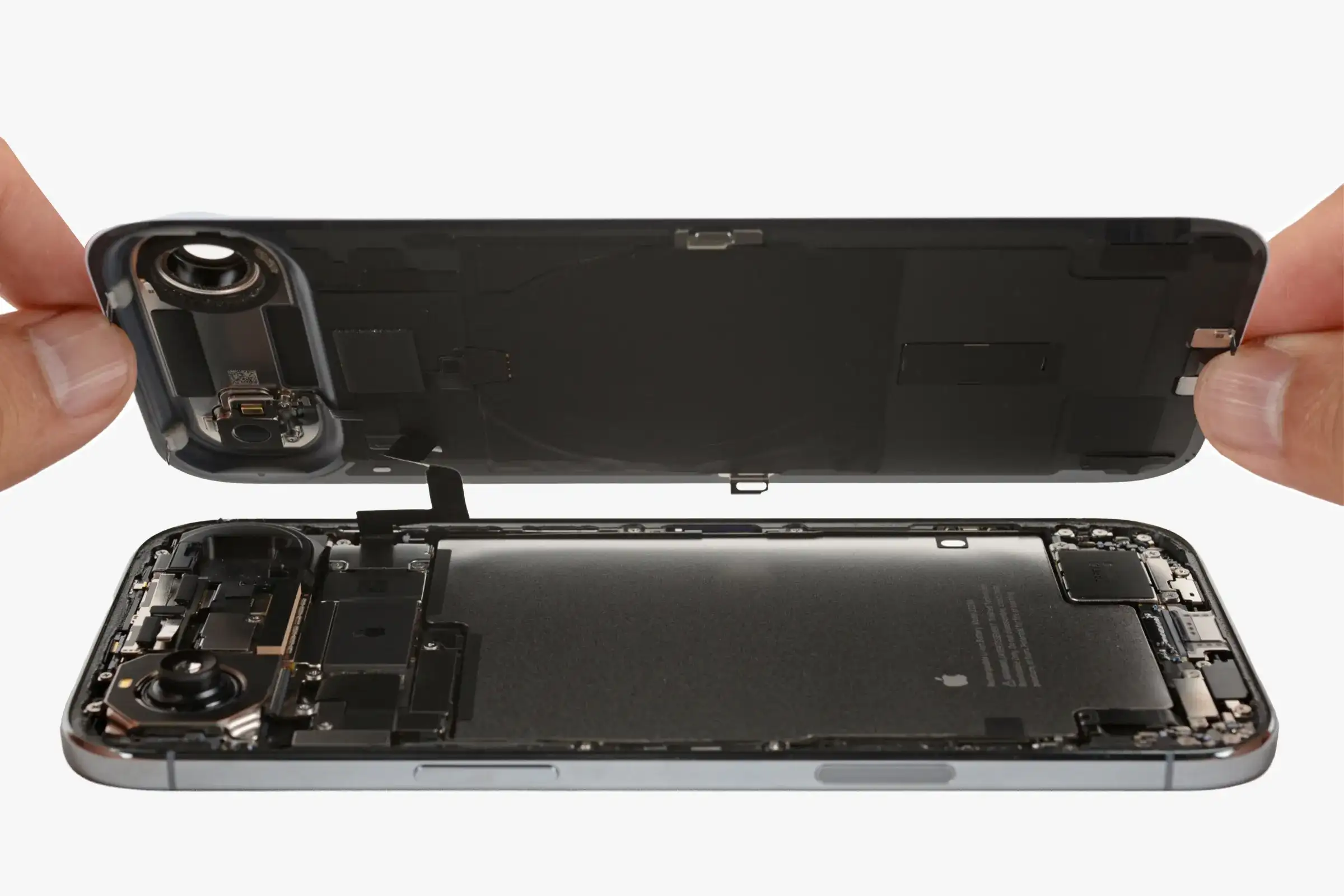 Photo via WIRED // Inside the Apple iPhone Air. Internal schematics from a recent teardown.
Meanwhile, the rest of the lineup looks… strong
Here’s the twist. The base iPhone 17 and the Pro/Pro Max are posting the kind of start Apple likes to see. Counterpoint Research reports the iPhone 17 series outsold iPhone 16 by ~14% in the first 10 days in the U.S. and China, with the base model nearly doubling in China. That strength lines up with the idea that Apple is shifting production toward the models people are actually buying.
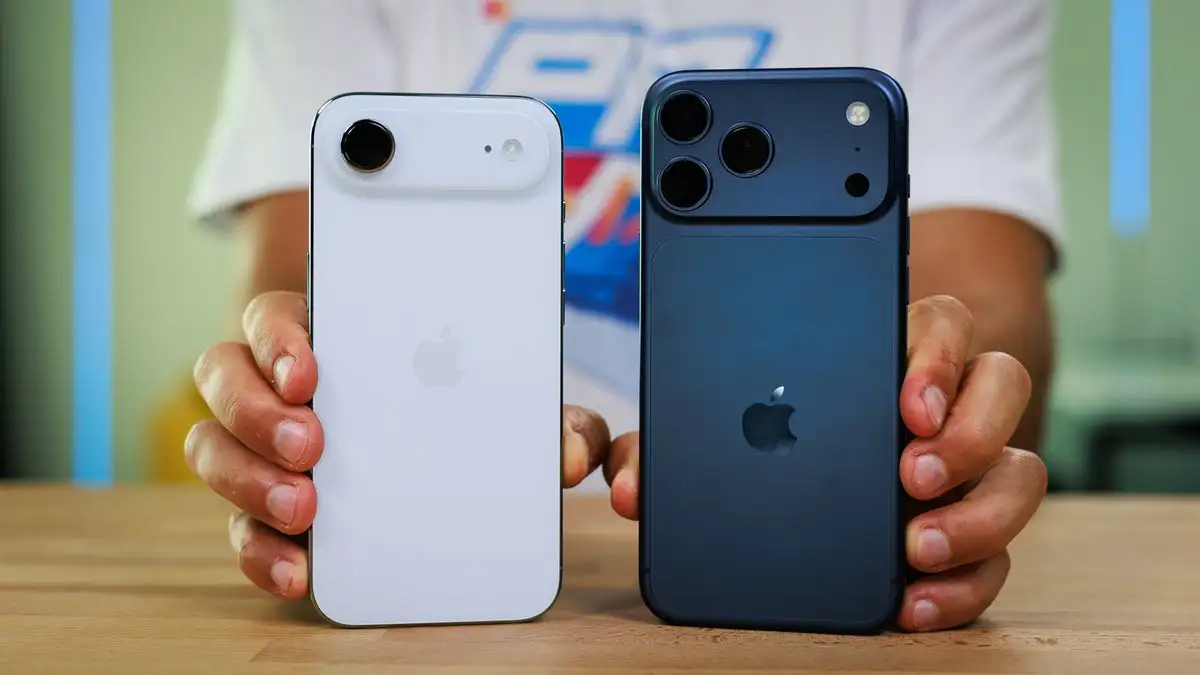 Photo via PhoneArena // When Apple introduced the iPhone Air (left) alongside the iPhone 17 series (right), analysts expected it to be a popular device in the lineup. However, it doesn't seem like consumers are buying it. Literally.
You can even spot this in mainstream market write-ups—strong 17/Pro Max mix, investor relief, the whole thing.
Why the Air isn’t catching on
Apple pitched the Air as the ultra-thin, ultra-light iPhone—the “feels like nothing in the pocket” phone. That’s a real benefit. But here’s the rub: buyers in the $999 neighborhood often chase either value density (more battery, more camera, more everything) or halo features (the best camera stack, newest materials, exclusive software hooks). The Air sits in a weird middle: premium price, minimal trade-off story. If battery life, camera upgrades, or exclusive “only on Air” perks don’t land, shoppers drift to the value-packed base 17 or the status-forward Pro. Early channel talk suggests exactly that split.
iPhone Air production numbers
Reading wait times is a cottage industry. Yes, slippage usually maps to demand spikes; yes, instant availability can hint the opposite. But it can also mean Apple over-estimated the Air’s mix at launch and is now dialing it back. If Cupertino planned, say, a 10–15% share for Air and it’s trending low-single digits, you’ll see suppliers throttle without Apple saying a word publicly. That’s precisely the texture in the Nikkei-sourced anecdotes.
 Photo via Apple // iPhone Air is extremely thin and light, but consumers don't seem to think it's worth the extra premium compared to Apple's other iPhone 17 models.
What Apple can tweak next
1. Price nudge or storage sweetener.
A small MSRP move—or bumping base storage—can change the calculus for fence-sitters without wrecking margins.
2. Feature clarity.
Make the Air’s benefits painfully obvious: battery claims, pocket feel, or unique software optimizations for thin-chassis thermals. If it’s just “thinner,” it’s not sticky.
3. Regional targeting.
Reports out of China noted fast sell-outs at launch; if that momentum is real, Apple can lean into local bundles and trade-ins there while quietly constraining supply elsewhere.
The pattern
We’ve seen Apple iterate its fourth slot for years: mini (too small for most), Plus (big but not Pro), and now Air (thin with trade-offs). The lesson isn’t that experiments fail; it’s that the mass market keeps voting for either clear value or undeniable flagship. Thinness feels premium in the hand, but if it costs a battery hour or a camera step, shoppers notice.
So, is the iPhone Air dead on arrival?
No, and that’s too tidy anyway. The more honest read: the Air’s initial mix is too high, and Apple is right-sizing it while the iPhone 17 and Pro lines do the heavy lifting. If Apple wants the Air to be a long-term pillar, it needs a sharper story—either a lower price, a comfort-first identity (the lightest “all-day” iPhone, not just the thinnest), or a headlining perk you can feel by lunch.
For now, the scoreboard reads: production trimmed for iPhone Air, strong start for the rest. Apple’s playbook is obvious—build more of what’s hot, cool down what’s not—and the supply chain is already moving that way.
Recommended by the editors:
- No More September iPhones? Apple's Strategy Shift Changes Everything
- iPhone 18 Rumors: Apple Reportedly Testing Under Display Face ID
- Foldable iPhone Could Be Apple’s Most Expensive Phone Ever At $2,399
- iPhone Fold and iPhone Air 2: Rumors, Release Date, Design, Cameras, and More
- Upcoming iPhone Air 2 Could Feature Two Rear Cameras
Published to Apple Scoop on 22nd October, 2025.