Foldable iPhone Could Be Apple’s Most Expensive Phone Ever At $2,399
- A new $2,399 estimate suggests Apple’s foldable might launch at nearly double the price of a Pro Max.
- Early reports hint at a crease-free display and a liquid-metal hinge—features Samsung still hasn’t nailed.
- Analysts say the pricing is high enough that Apple may give the device its own identity: iPhone Ultra. Read on...
Apple’s first foldable iPhone might cost $2,399, and oddly enough, the number doesn’t feel as impossible as it first sounds. The latest estimate comes from Fubon Research analyst Arthur Liao, whose updated component-cost model suggests that Apple’s long-rumored foldable—often referred to as the iPhone Fold—will sit comfortably in “ultra-premium” territory when it arrives in 2026 or 2027.
If that price sticks, it would make Apple’s folding iPhone the most expensive bifold-style phone on the market—well above Samsung’s Galaxy Z Fold 7 at $1,599 and Google’s Pixel Fold, which launched at $1,799 before discounts softened the blow. And yet, the more you look at the surrounding reports, the more plausible it sounds.
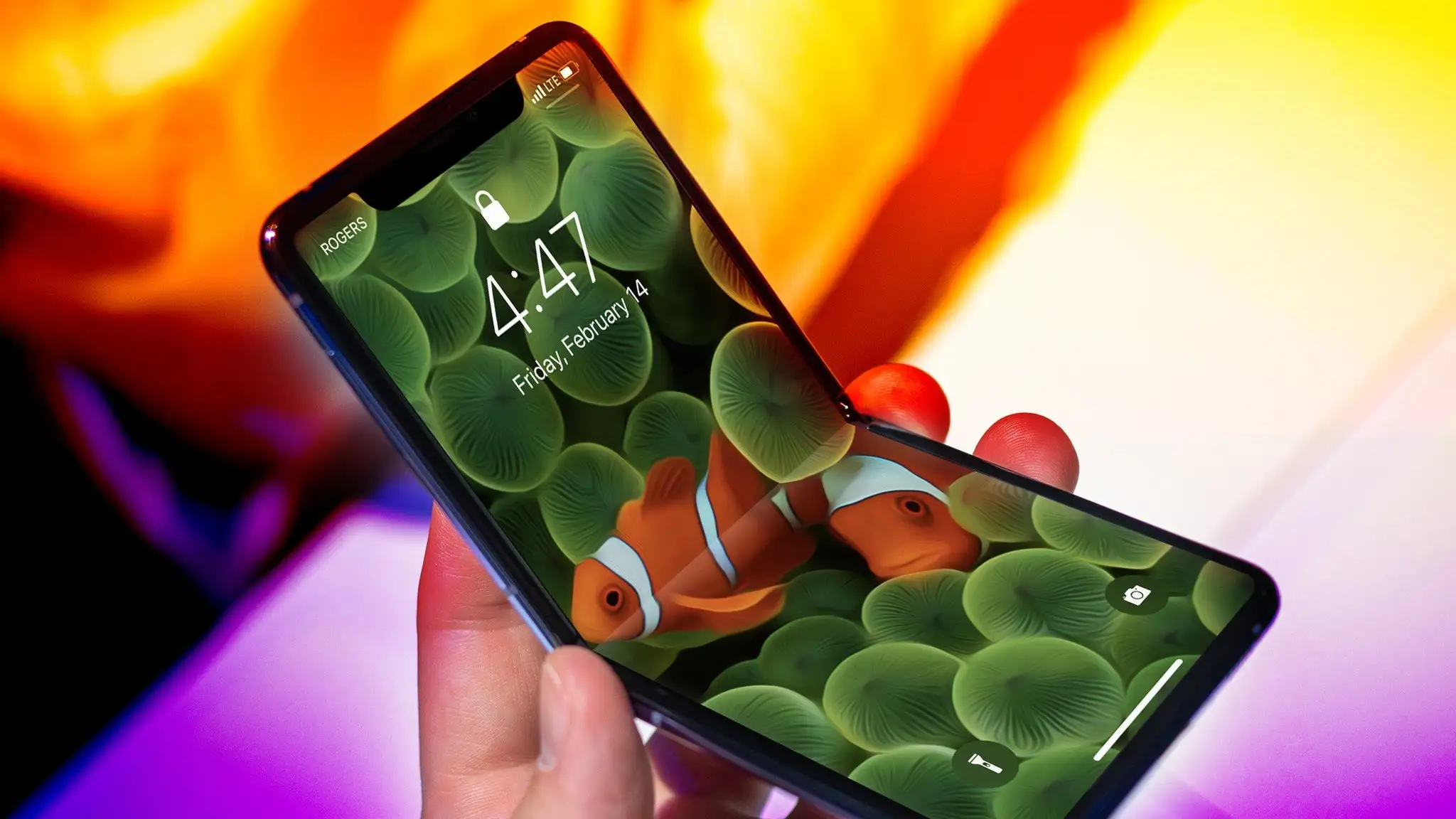 Photo via iMore // A concept rendering of an Apple iPhone Fold.
A Foldable That Costs More Because It Is More
Liao’s number isn’t based on wishful thinking but on the cost of materials Apple is reportedly preparing to use. Component prices across the industry have climbed sharply over the past year—memory alone is up roughly 75% since late 2024—and a foldable requires parts that are notoriously tricky, expensive, and slow to produce.
This isn’t a device stitched together from the leftovers of the iPhone Pro line. Early supply chain notes hint at a brand-new hinge structure, possibly using Apple’s liquid-metal alloys, and a foldable display engineered to avoid the one flaw that has haunted Samsung for seven generations: the crease. Several reports from UDN claim Apple’s internal panel is “crease-free,” and that engineers have already reached the pre–mass production stage. If true, Apple may have waited deliberately—maybe stubbornly—for the technology it wanted rather than rushing in with a compromise.
There’s also the form factor to consider. The foldable iPhone is expected to open into something closer to an iPad mini than Samsung’s tall, narrow book-style design. Rumors point to a 5.5-inch outer screen and a 7.8-inch internal display, which would make the device feel more like a compact tablet when unfolded. That’s in stark contrast to Samsung’s “portrait-first” approach, which can feel cramped for gaming and video.
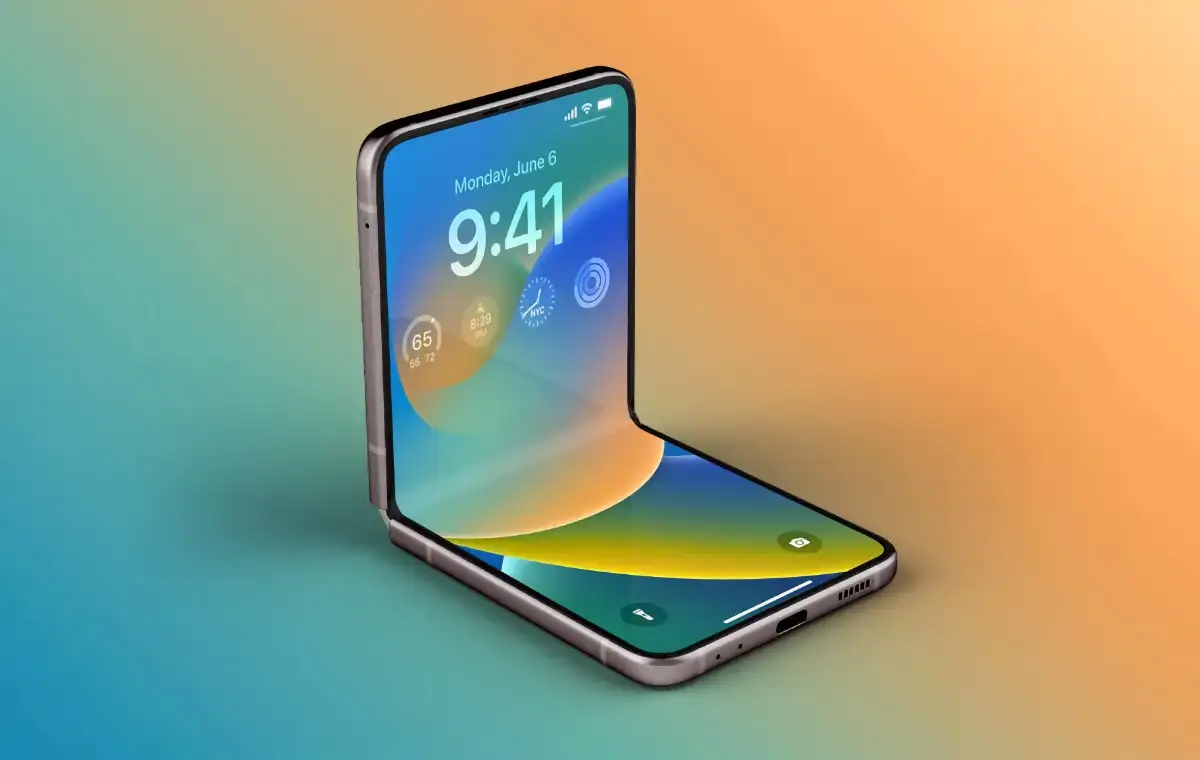 Photo via HardwareZone // Another foldable iPhone concept.
Inside, the phone is expected to share the A20 Pro chip with the iPhone 18 Pro models, paired with at least 12GB of RAM—finally matching competitors that have treated memory as essential for multitasking on large foldable displays. Battery life may be one of Apple’s biggest swings, with several sources pointing to a pack somewhere between 5,400 mAh and 5,800 mAh, far above the 4,400 mAh units Samsung has stuck with in recent years. This is one of those little details that sounds minor but matters deeply to actual users. Foldables need endurance, and Apple seems to be preparing for exactly that.
The iPhone Ultra Theory: A Price This High Needs Its Own Identity
Once Liao’s estimate hit the internet, 9to5Mac gave it the framing that instantly caught fire: if a foldable iPhone really starts around $2,399, it isn’t just another iPhone—it’s an iPhone Ultra.
And honestly, you can see the logic. Apple has been quietly expanding “Ultra” across its lineup as a way of telegraphing something more ambitious, more refined, and, yes, more expensive. The Apple Watch Ultra reset expectations for rugged smartwatches. The M3 Ultra signaled workstation-class power. A foldable with this price tag and this level of engineering practically begs for a category of its own.
A few analysts have even described the device as Apple’s “spotlight” in what they expect will be a muted smartphone market in 2026. With global shipments projected to fall and iPhone numbers trending similarly, a radically new hardware tier may be Apple’s way of reshaping the narrative.
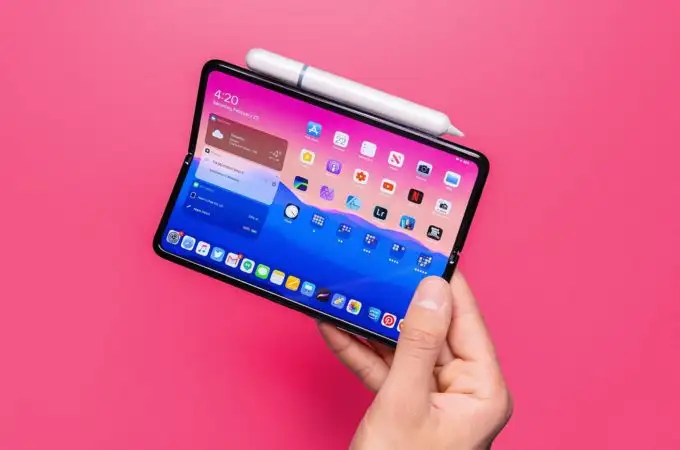 Photo via TechRadar // Apple book-style foldable iPhone.
If It’s Real...
The foldable iPhone’s rumored feature list reads almost like a checklist of every complaint consumers have had about foldables since they launched.
A noticeable crease? Apple reportedly solved it.
Under-display camera quality too soft? Apple is said to be working on a 24-megapixel under-display sensor, something no competing foldable has pulled off cleanly.
Weak battery life? Apple appears ready to leapfrog Samsung entirely.
Chunky hinge? The liquid-metal rumors suggest a lighter, tighter mechanism that won’t wobble over time.
None of these things are guaranteed, of course, and Apple’s first-generation devices aren’t immune to trade-offs. But the pattern forming around the iPhone Fold feels unusually consistent for something this early. It’s not random leaks—it’s a cluster of independent reports all pointing to the same idea: Apple didn’t want to release a foldable until it felt like a finished product.
But Will People Really Pay $2,399?
Here’s the strange part: probably, yes.
Apple has a long history of entering emerging categories late and then instantly reframing expectations. It happened with tablets. It happened with smartwatches. It’s happening now with spatial computing. The first iPhone Fold—or iPhone Ultra—may tap into that same psychology: if Apple’s version is dramatically better, cleaner, or simply more “done” than what came before it, the early adopters will justify the price.
Tech analyst Jessica Naziri even called 2026 “the year of foldables,” partly because Apple’s entry is expected to push the entire market forward. Samsung and Google have both improved their designs dramatically, but Apple’s rumored engineering choices could reset the bar again.
And when Apple resets the bar, consumers don’t just follow—they budget.
Is It Worth the Price?
That’s the question everyone keeps circling back to, and the honest answer is that it depends on whether Apple’s biggest claims hold up. If the screen really is crease-free, if the hinge genuinely feels next-generation, if the under-display camera performs like a normal lens, and if the battery delivers all-day life on a tablet-sized display, then the iPhone Fold might not simply justify its price—it might redefine what a foldable is supposed to be.
Apple isn’t trying to be first. It’s trying to be final. And that alone might have people ready to save up long before launch day.
Recommended by the editors:
- No More September iPhones? Apple's Strategy Shift Changes Everything
- iPhone 18 Rumors: Apple Reportedly Testing Under Display Face ID
- 200+ Best Winter Wallpapers for iPhone & Android (Free 4K/HD)
- iPhone Fold and iPhone Air 2: Rumors, Release Date, Design, Cameras, and More
- iPhone Fold Rumors: Release Date, Design, Cameras, Pricing, and More
Published to Apple Scoop on 27th November, 2025.