iPhone Ultra Rumors: Release Date, Features, Pricing, and More
- Will Apple’s first foldable wear the 'iPhone Ultra' name? More than a few analysts think so.
- A redesigned hinge is tipped to cut costs—and those pesky creases, too.
- Price rumors are shifting: the price tag could land closer to $2K than previously rumored.
This year’s iPhone shake-up felt like a table-setter—iPhone Air, cleaner standard/pro tiers, and some real design shifts. However, the rumors say that was just the warm-up. The main act could be a foldable iPhone in 2026, and with it, a name that’s been hiding in plain sight: iPhone Ultra. It's expected to launch alongside the iPhone 18 series in September, 2026.
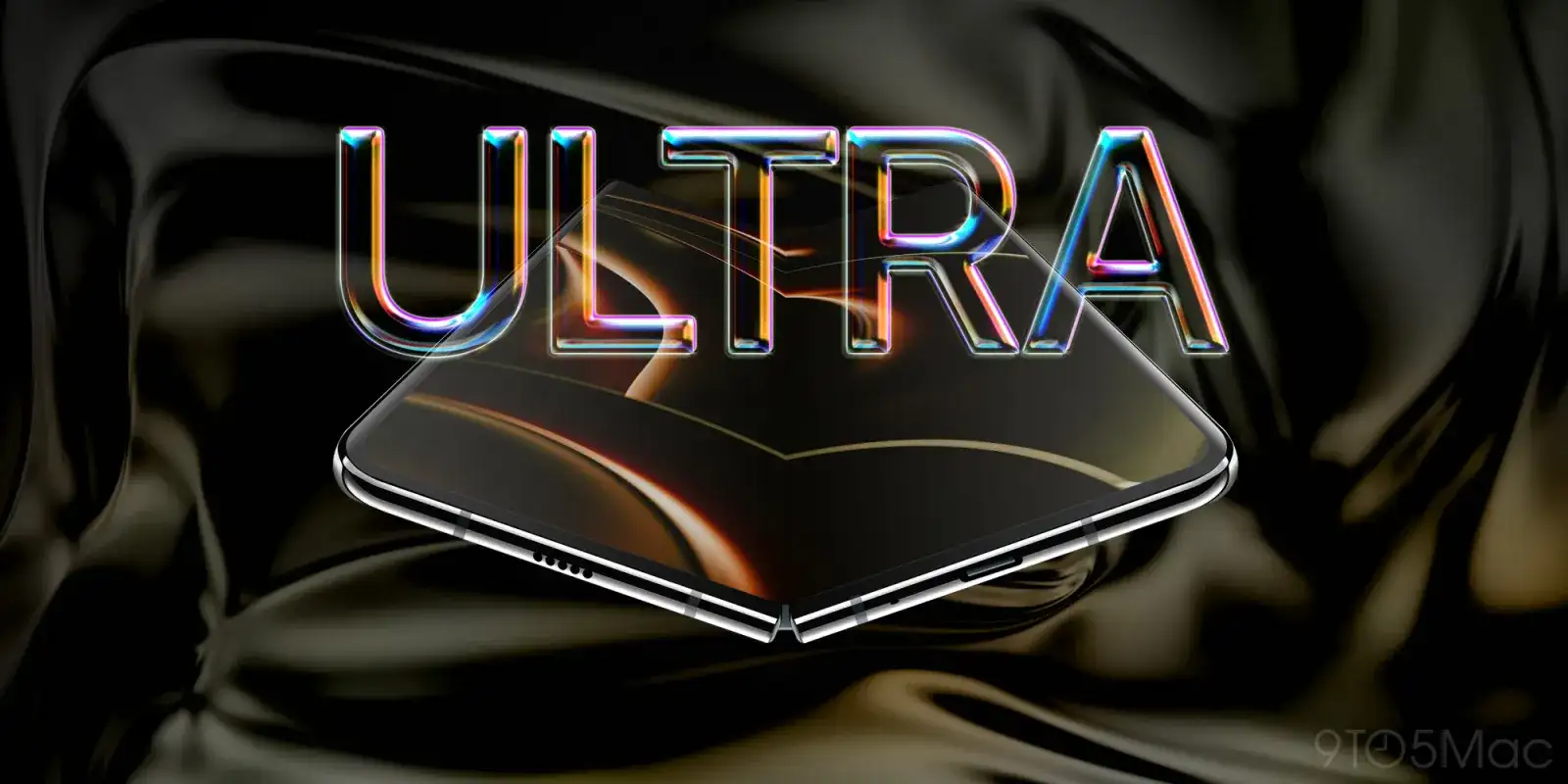 Photo via 9to5Mac // Will Apple's foldable iPhone take the iPhone Ultra name?
1. “Ultra” makes more sense than “Max”
“Max” used to mean biggest, baddest, best. But an Apple book-style foldable with a larger canvas than iPhone 18 Pro Max nudges that meaning off-balance. What’s bigger than Max? In Apple’s own dictionary: Ultra.
Look at the chips—M3 Pro → M3 Max → M3 Ultra. The top rung is already called Ultra. If a foldable sits above Pro Max on size, price, and prestige, “iPhone Ultra” communicates that instantly. It’s aspirational without trying too hard and—let’s be honest—cooler than “Fold.”
Small detail, big impact: names shape expectations. “Ultra” says you’re not buying a variation; you’re buying the crown.
2. Apple doesn’t follow
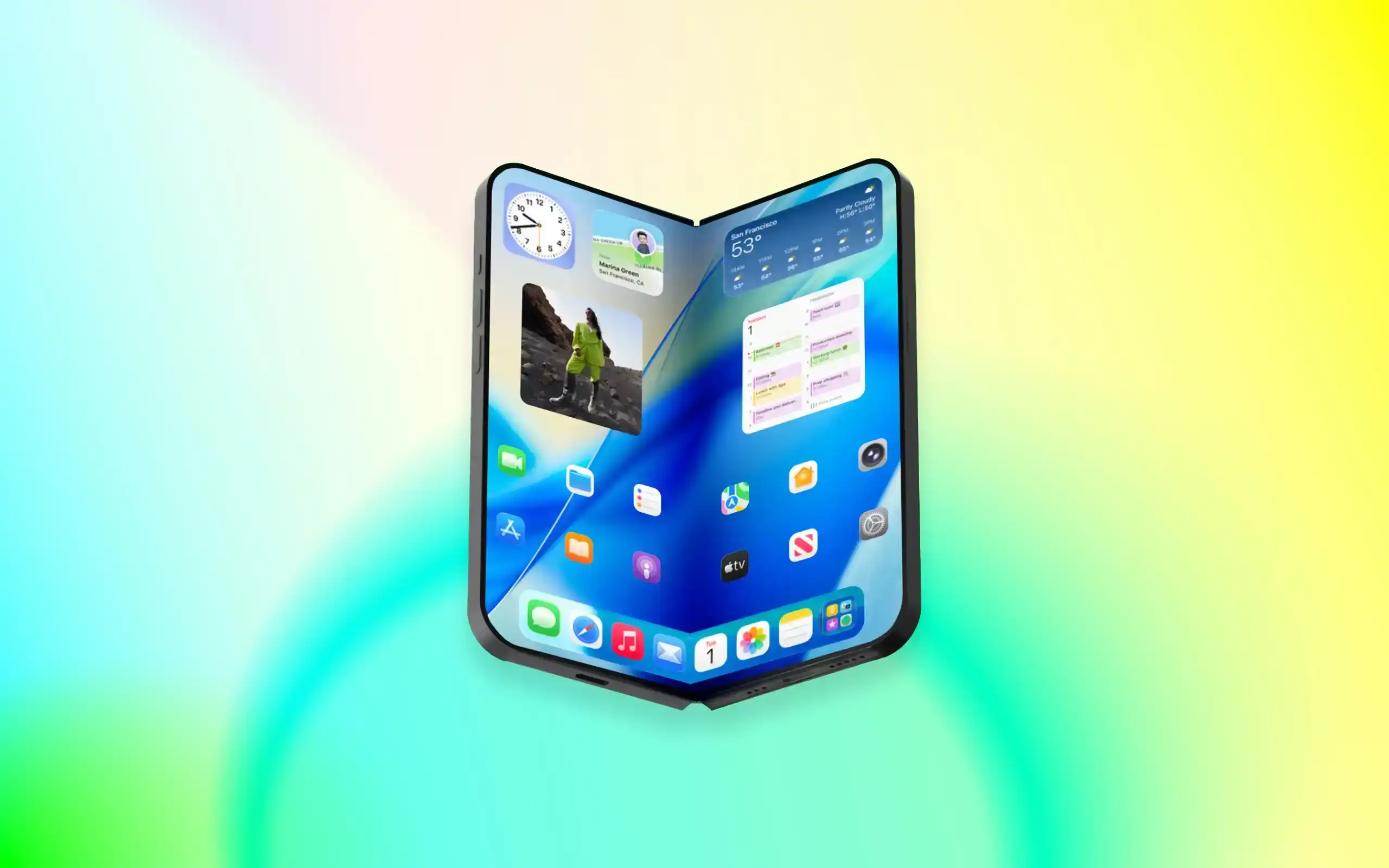 Photo via Tom's Guide // An early 3D concept rendering of what Apple's first book-style foldable iPhone might look like.
When the industry said “VR headset,” Apple said Vision Pro—a “spatial computer.” When everyone shouted “AI,” Apple rolled out Apple Intelligence. Same underlying tech current, but Apple likes its own lane.
So will it be “iPhone Fold”? Probably not. The company won’t frame this as “an iPhone that bends.” It’ll be pitched as the next expression of iPhone, with software that treats the extra screen like room to breathe—two apps comfortably side by side, video on one half, notes on the other—without feeling like a science project.
“Ultra” fits that posture. Not a gimmick. A new top tier.
3. The price will be… Ultra
Here’s the part that raises eyebrows. Early chatter puts the foldable around $2,000. That’s nearly double a base Pro Max. Painful? Sure. But Apple’s played this psychology before: Apple Watch Ultra launched at a premium and still found its crowd because the name matched the ambition.
And there’s a twist. Supply chain notes point to lower hinge costs—sliding from early targets around $100–$120 into the $70–$80 range once mass production kicks in. That doesn’t turn a $2,000 phone into a bargain, but it does give Apple room: protect margins, keep price near rivals, or shave just enough to make fence-sitters lean yes.
Names matter; so do cost curves. Together, they can make “whoa” pricing feel… considered.
4. What it might feel like in your hand
Think book-style fold, not a vertical flip. Rumors circle an outer screen near 5.5 inches that opens to about 7.6–7.8 inches. The silhouette? Picture two iPhone Airs joined by a hinge—thin when open, with a target some rumors peg around 4.5 mm. Thin only works if it isn’t fragile, and Apple’s recent ultra-slim devices have held up better than their profiles suggest.
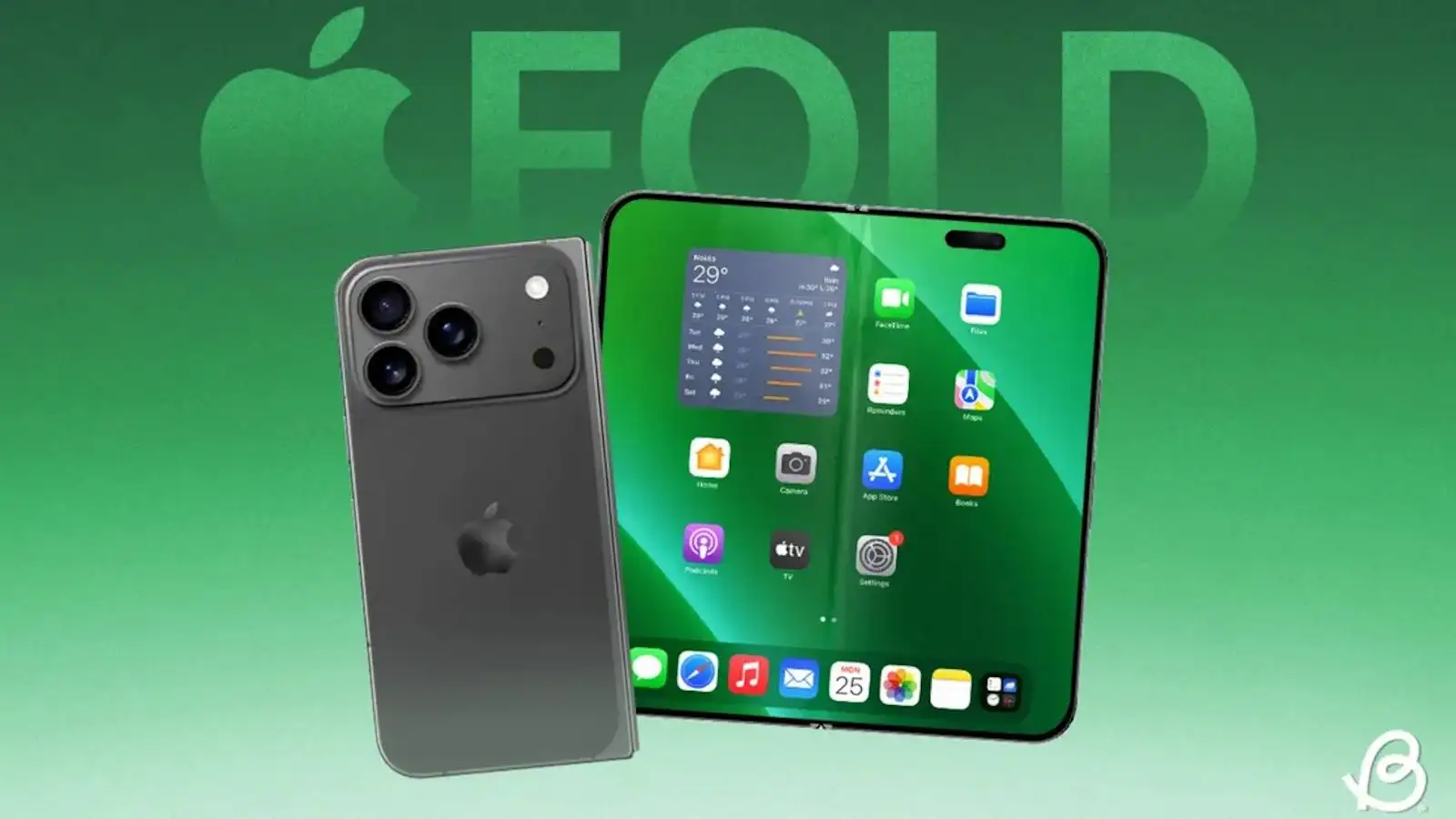 Photo via Beebom // Will it be called iPhone Fold, Foldable iPhone or iPhone Ultra?
Touch ID on the frame also tracks. It works whether the phone is open or closed, desk or pocket. Two Face ID stacks would be overkill; a side sensor feels obvious once you think about it.
5. The hinge Is the story you don’t see
Creases are the foldable villain. If Apple’s rumored approach—metal plate under the panel to spread bending stress, plus laser-drilled microstructures to guide the flex—holds, that crease could fade from “can’t unsee” to “barely notice.” Pair that with the hinge-cost drop, and you’ve got the rare combo of better feel and better economics.
That’s how categories break out of the demo zone.
6. Where it sits in the lineup
Apple doesn’t create new tiers lightly. We’ve moved from Plus to Pro, Air to Max. An Ultra slotting above Pro Max would be a clear statement: this is the flagship of flagships. Not a side quest like early Apple Vision Pro, but a core iPhone that just happens to open like a book.
If production really starts mid-2026 for a September release, it lines up with the classic window—and the last time Apple delivered a truly new iPhone feel (hello, iPhone X) we saw a serious upgrade wave. If the crease is tamed and the price lands near rival foldables, expect that wave to swell again.
So… Will Apple actually call it “Ultra”?
If you forced a bet? Yes. The name sits neatly atop Apple’s existing ladder, sets the right expectation for price and ambition, and sidesteps “Fold” fatigue. More important, it tells a story in one word: this is the peak iPhone.
And if Apple nails the experience—the moment you open it and forget the seam—“Ultra” won’t feel like marketing. It’ll feel fair.
Recommended by the editors:
- No More September iPhones? Apple's Strategy Shift Changes Everything
- MacBook Pro M6 OLED Rumors: Release Date, Price, Features, and More
- iPhone 18 Rumors: Apple Reportedly Testing Under Display Face ID
- Intel Could Finally Return to Apple Computers in 2027
- Foldable iPhone Could Be Apple’s Most Expensive Phone Ever At $2,399
Published to Apple Scoop on 13th October, 2025.