The Evolution of Apple's Chip Design: From A — Series to M — Series
- Discover how Apple transformed from tech giant to trailblazer in chip design.
- Unveil the untold story behind Apple's journey into custom chip innovation.
- Dive deep into the evolution of Apple's chips, from iPhones to cutting-edge Macs.
Early Beginnings and the Shift to Custom Chips
It all began with a bold move in 2008, when Apple acquired PA Semi, signaling its intent to chart its own course in semiconductor development. This strategic pivot laid the foundation for what would become a series of iconic chips.
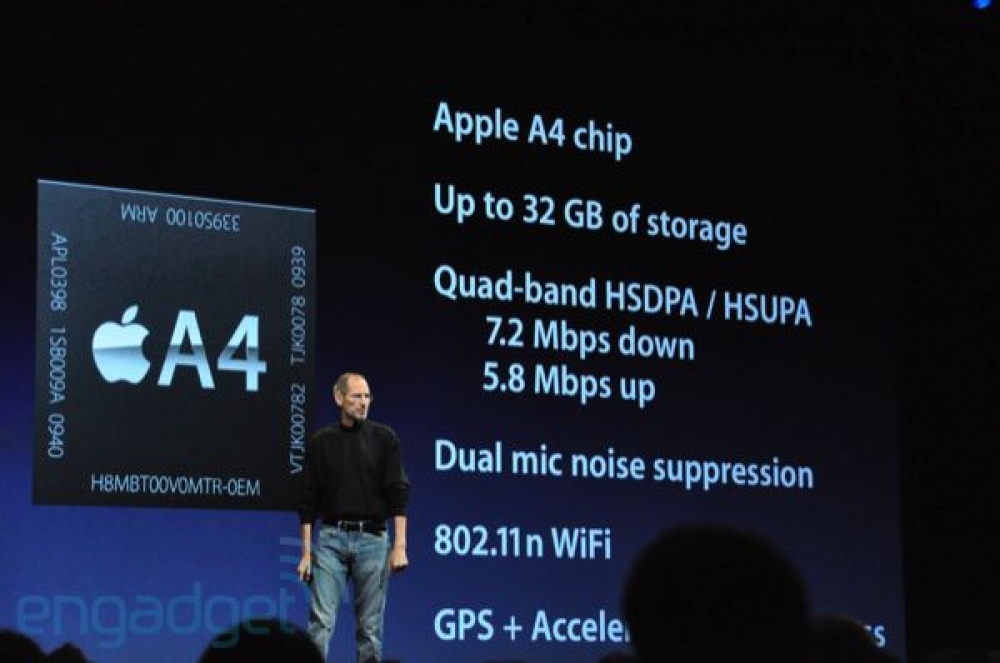 Image credit: TechAutos
The A-Series Processors: Pioneering Power and Efficiency
In 2010, the debut of the A4 chip marked Apple's inaugural leap into custom chip design. Powering the iPad and iPhone 4, the A4 integrated CPU, GPU, and RAM into a single chip, delivering unprecedented efficiency and performance.
The subsequent A5 chip in 2011 brought dual-core architecture to the forefront, doubling processing power and elevating graphics capabilities, essential for the iPad 2 and iPhone 4S.
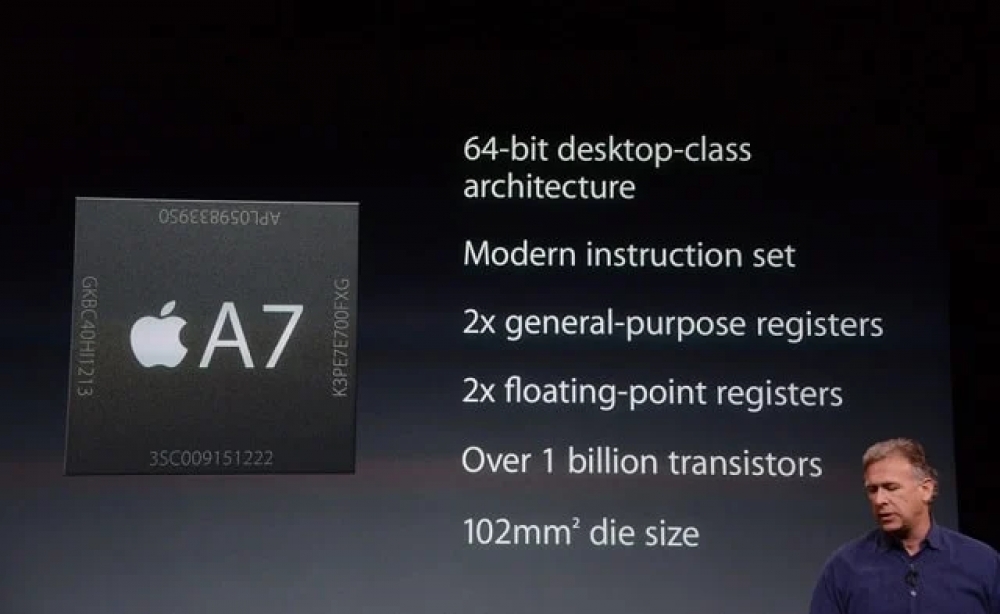 Image credit: TechPP
Pushing the Envelope: Innovation in Processing Power
By 2013, Apple introduced the A7 chip, a game-changer in mobile processing with its revolutionary 64-bit architecture. This breakthrough not only boosted speed and efficiency but also set a new benchmark in the industry, pivotal for devices like the iPhone 5S and iPad Air.
Building on this momentum, the A9 chip in 2015 integrated the M9 motion coprocessor, enabling always-on "Hey Siri" functionality and further enhancing overall performance.
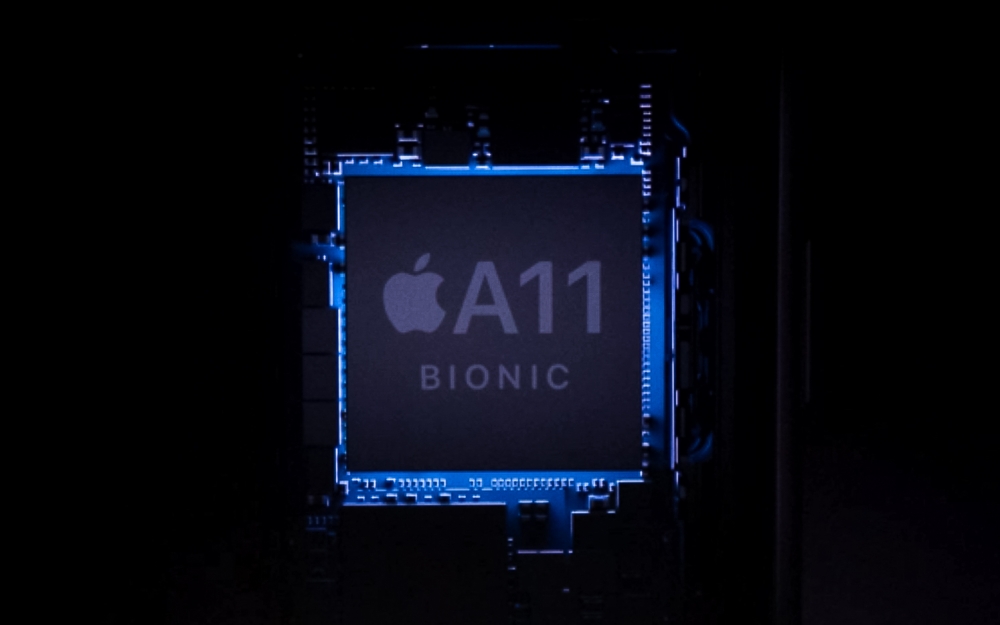 Image credit: PC Perspective
Integration and Efficiency: A Focus on Seamless User Experience
In 2017, the A11 Bionic chip ushered in a new era with its neural engine, designed to handle AI tasks with finesse. This innovation played a crucial role in advancing Face ID and Animoji features on the iPhone X, underscoring Apple's commitment to integrating cutting-edge AI capabilities into its devices.
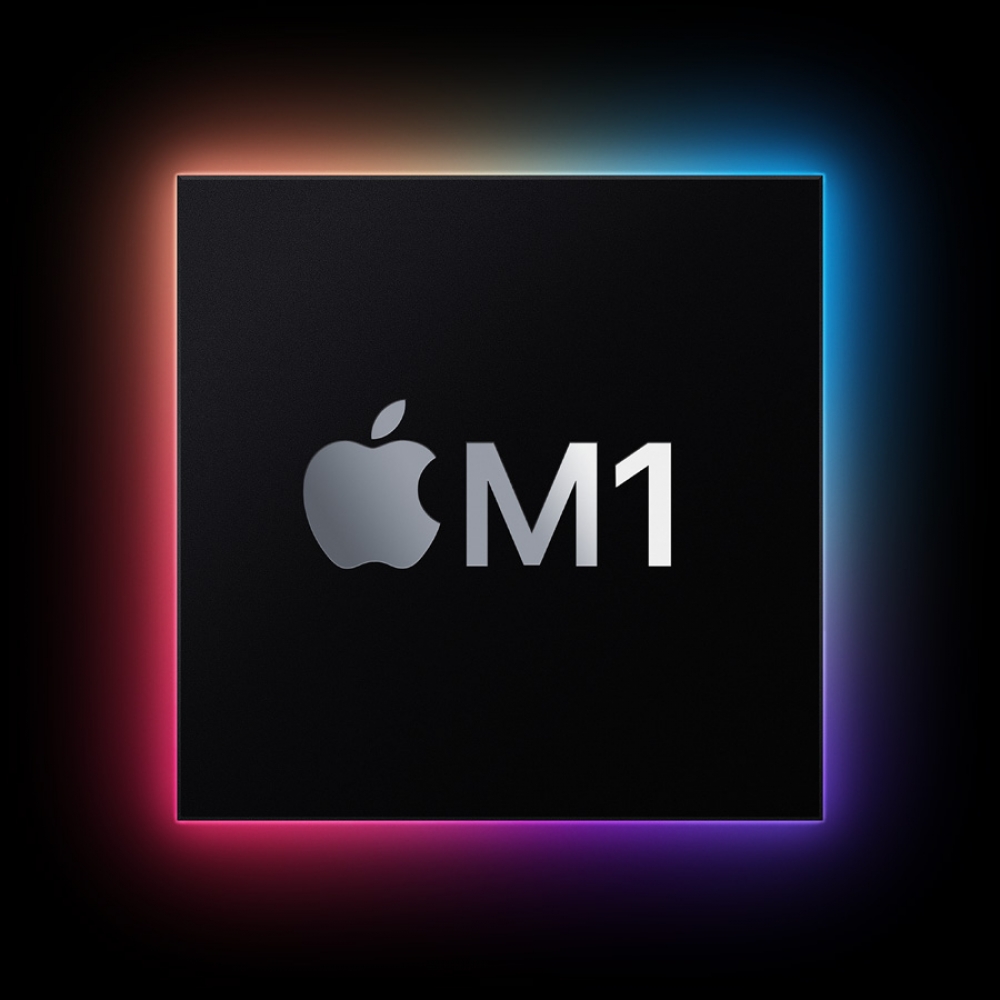 Image credit: Apple Inc.
The Transition to Apple Silicon: Redefining Mac Performance
Fast forward to 2020, Apple made waves in the computing world with its transition to Apple Silicon. The M1 chip marked a monumental shift for Macs, leveraging ARM-based architecture to deliver unparalleled performance and efficiency. This move not only revolutionized Mac capabilities but also extended battery life to new heights.
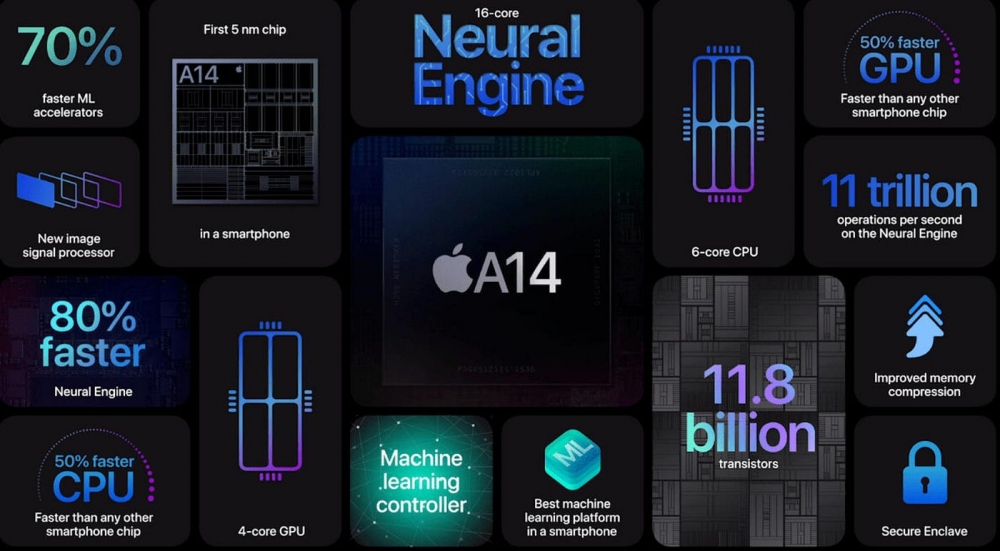 Image credit: Apple Inc.
Innovating for Tomorrow: The Latest in Chip Design
In 2020, Apple continued to push boundaries with the A14 Bionic chip, featuring an enhanced neural engine with 16 cores. Powering devices like the iPhone 12 and iPad Air 4, the A14 Bionic advanced computational photography and augmented reality experiences, showcasing Apple's relentless pursuit of innovation.
The introduction of the M1 Pro and M1 Max chips in 2021 further cemented Apple's leadership in the industry. Tailored for professional workflows, these chips redefined performance benchmarks in the MacBook Pro lineup, offering unprecedented power and efficiency gains.
Looking Ahead: A Legacy of Innovation
As Apple continues to innovate in chip design, each milestone underscores its commitment to pushing the boundaries of what's possible. From mobile devices to Mac computers, Apple's custom-designed chips have not only set new standards in performance and efficiency but have also shaped the future of computing.
Recommended by the editors:
- Intel Could Finally Return to Apple Computers in 2027
- M5 MacBook Air Rumors: Release Date, Specs, Pricing, and More
- Apple M5 Explained: Everything You Need to Know
- Apple’s C1X Modem Explained: Here’s Everything You Need to Know
- Apple A19 vs A19 Pro: What Sets Them Apart? A Detailed Comparison
Published to Apple Scoop on 30th June, 2024.