Apple’s 20th Anniversary iPhone: Release Date, Rumors, Leaks, and More
- Apple may skip “19” and go straight to iPhone 20, reports suggest.
- Rumors point to a bezel-free, four-edge curved display that looks like pure glass.
- Apple’s own modem and a second-gen 2-nm chip could set the stage for a cooler, faster, and smarter iPhone.
It’s wild to say out loud, but 2027 marks twenty years of iPhone. The last big birthday—2017—gave us iPhone X: all-screen at the time, no Home button, Face ID, and a design language that set the tone for the next decade. So if Apple wants to top that, what does year twenty look like?
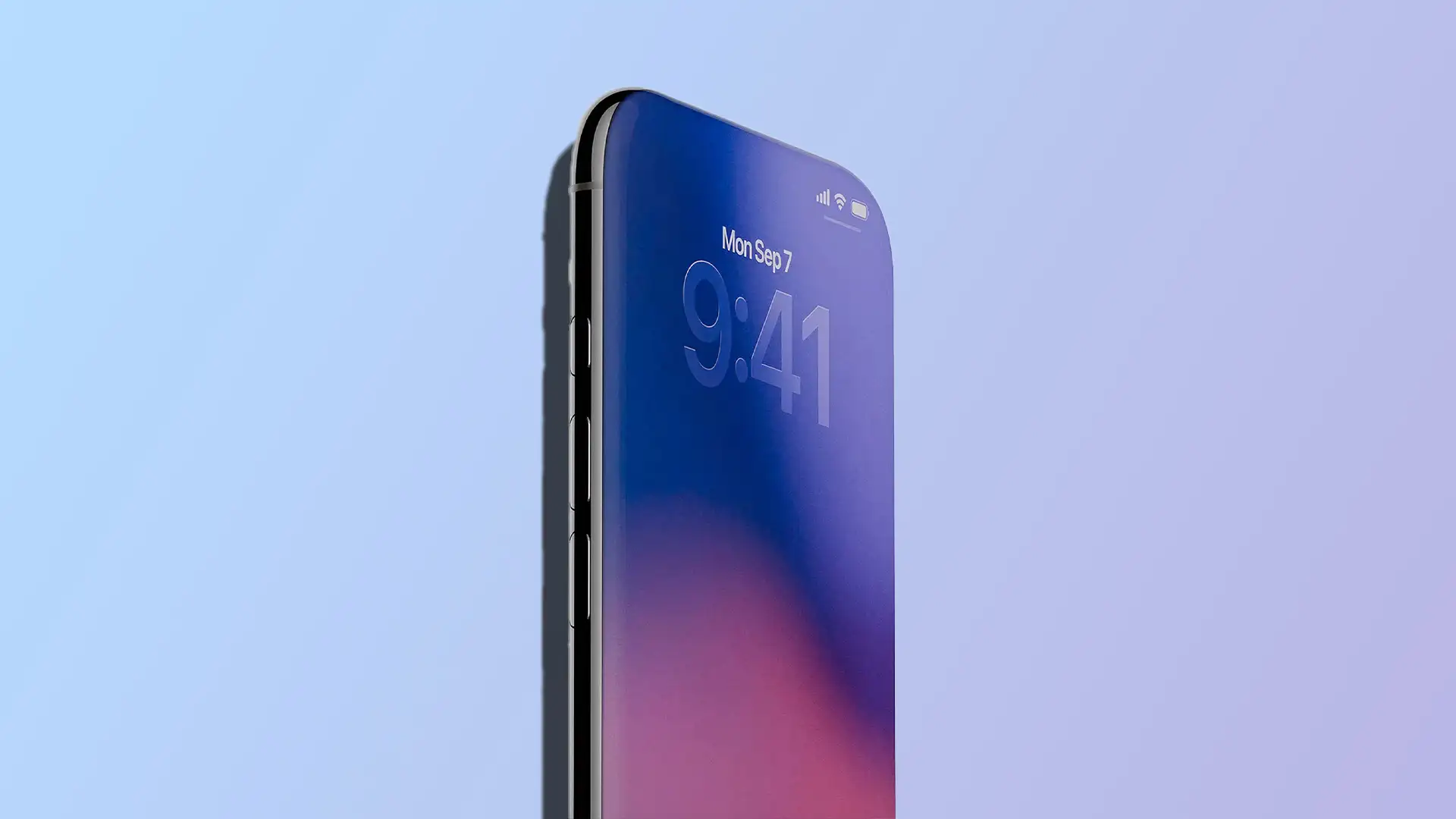 Photo via WCCF // A 3D concept rendering of Apple's upcoming 20th Anniversary iPhone.
What’s it called?
The numbering is already a story. iPhone 17 arrived in 2025, iPhone 18 should land in 2026, and logic says “19” is next. Except Apple has a sense of occasion. Just like iPhone 9 vanished when iPhone X took the stage, it wouldn’t be shocking to see the company jump to iPhone 20 (or even “iPhone XX”) for the anniversary year. It’s neat, it’s symbolic, and honestly, it’s very Apple.
The glass slab goal
Apple’s north star has been simple for ages: a phone that looks like a single piece of glass. Rumors line up with that ambition—bezel-free, cutout-free, and a display that curves down on all four edges so the border visually disappears. If you’re picturing a sleek glass tile with a screen poured over it—yep, that’s the vibe.
Now, curved edges raise real questions about cases and durability. Apple’s been hardening the lineup year after year (Ceramic Shield 2 arrived this season with better scratch and drop resistance), but a fully wrapped panel is still… delicate. Expect the materials story to be as important as the look.
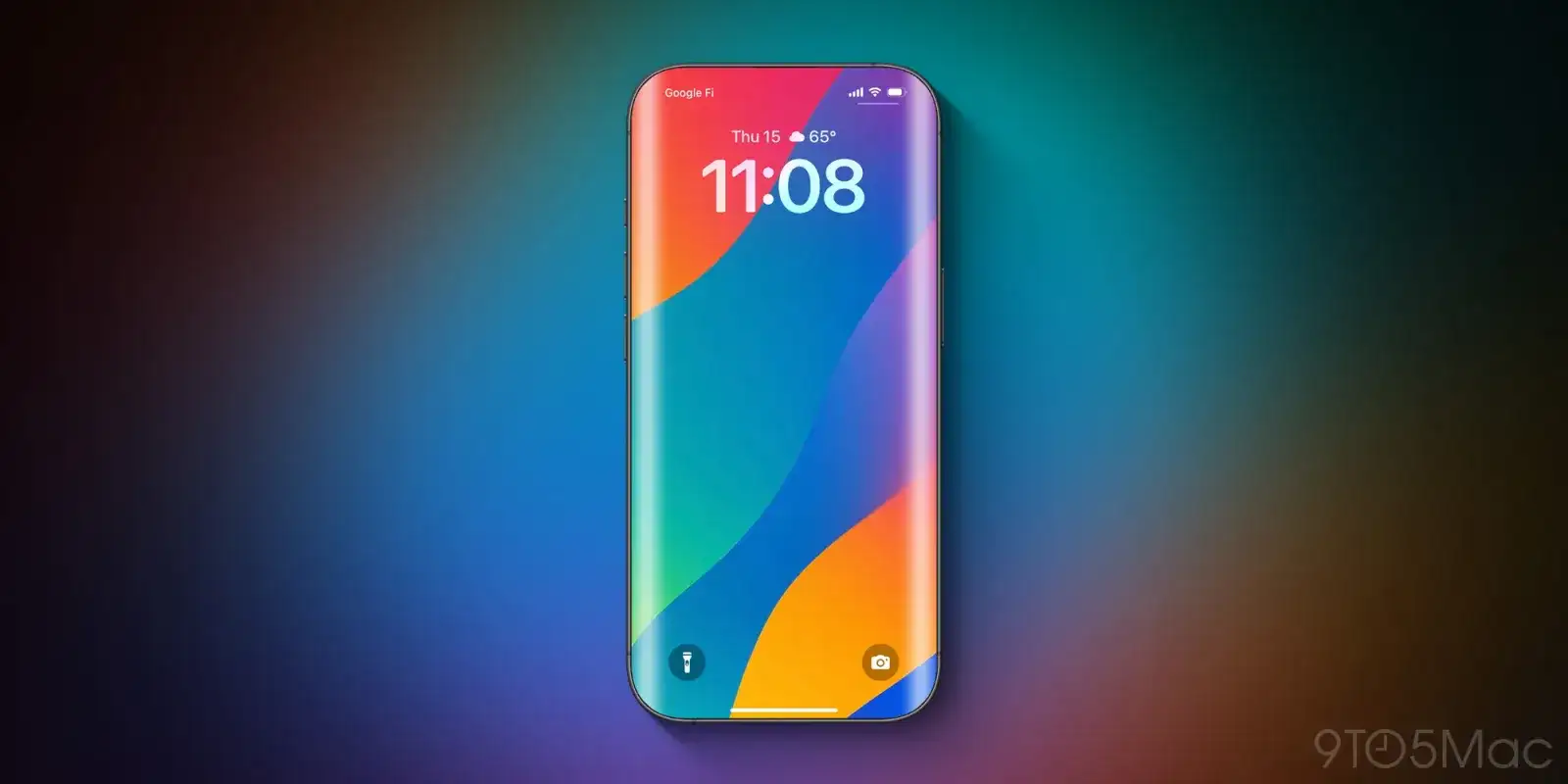 Photo via 9to5Mac // "A slab of glass": Concept rendering of what Apple's iPhone 20 might look like.
The screen science
Under the hood, the display may pivot to COE (Color Filter on Encapsulation) OLED from Samsung. Drop the traditional polarizer, move the color filter, and you cut thickness while letting more light out—brighter image at the same power or the same brightness at less power. The tradeoff is reflections, which Apple started addressing with new anti-reflective coatings this year. Give that two more cycles to mature and you can see where this is headed.
Edge uniformity is tricky on an all-sides curve, so you’ll also see rumors about a crater-style diffusion layer to keep brightness even across the bends. It’s a small detail that matters a lot when the border disappears.
Dynamic Island… disappearing?
To reach true “all glass,” the front sensors need to hide. Industry rumors splits here. Some analysts say under-display Face ID won’t be production-ready by 2027; others insist Apple’s close. The likeliest middle path: Face ID beneath the panel paired with a tiny hole-punch for the selfie camera—at least for the first year. If the camera also goes under-panel, expect an intense push on algorithms to counter softness and color shifts that under-display optics can introduce.
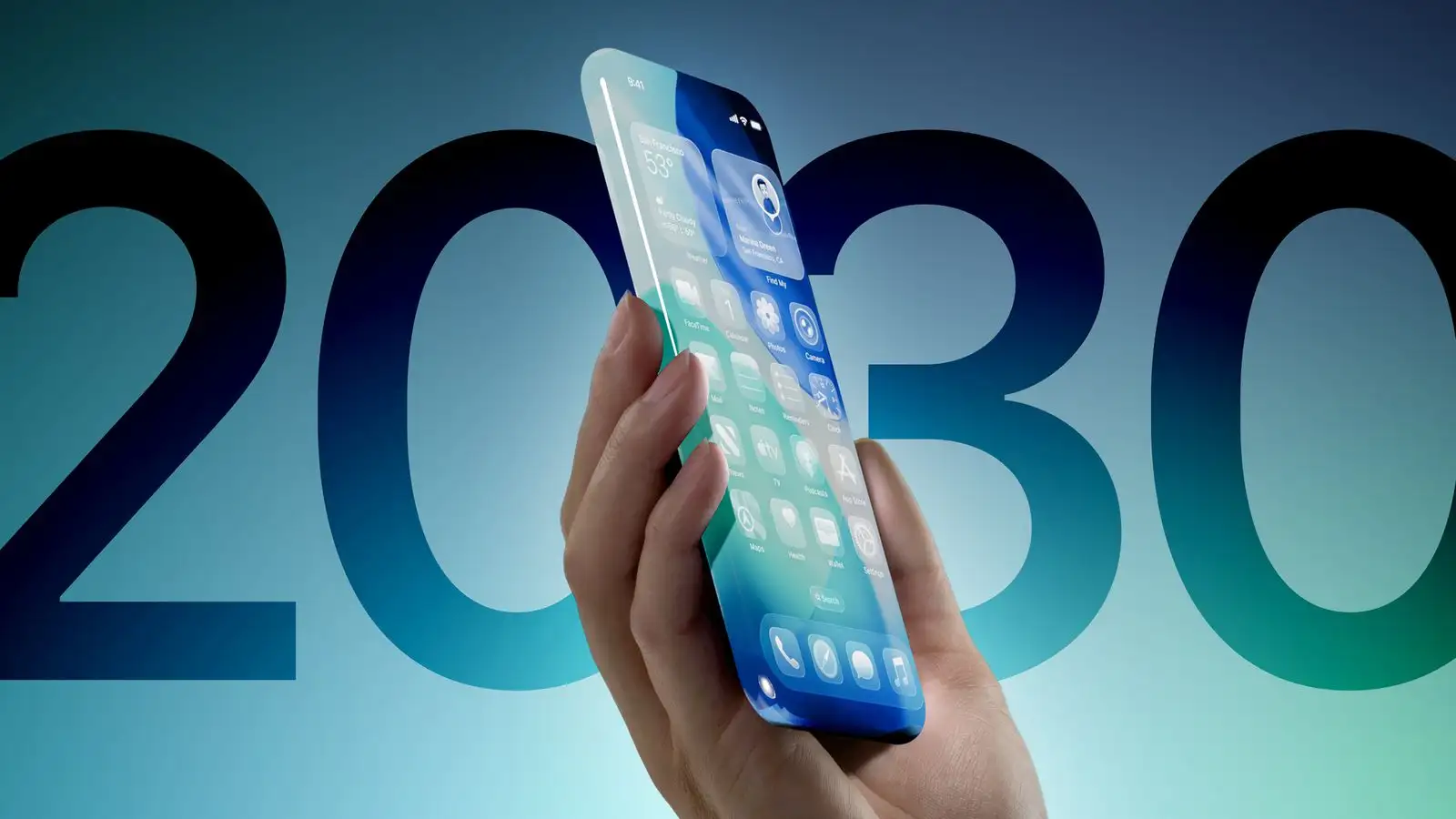 Photo via MacRumors // A semi-realistic rendering of Apple's unreleased iPhone 20.
Battery
Another thread to watch: pure silicon-anode battery cells. Silicon stores more lithium per gram than graphite, which means meaningful capacity gains without making the phone thicker. It’s not magic—silicon swells and needs clever chemistry—but the payoff could be real “you feel it on day one” stamina.
Chips
By 2026, A-series should already be on 2-nm. That lines up the 2027 phone for a second-generation 2-nm SoC—call it A21—with better efficiency and more headroom for on-device AI. TSMC’s 1.4-nm talk is buzzing, but that’s a 2028 story at the earliest. For the anniversary model, think cooler sustained performance and smarter scheduling rather than a raw GHz headline.
Memory
Here’s a quieter rumor with big implications: mobile HBM-style memory. Stacked DRAM with super-short vertical interconnects boosts bandwidth while keeping power and footprint in check. Translation: bigger neural models, lower latency for things like scene segmentation in the camera, live translation, and the kind of photo/video pipelines that used to be “send to the cloud” moments.
Cameras
The photography rumor with the most heat is LOFIC (Lateral Overflow Integration Capacitor) sensors. Instead of faking HDR with multi-frame blends, LOFIC gives each pixel a “spillway” for extra charge, helping it hold both bright highlights and murky shadows in one exposure. Numbers tossed around: up to ~20 stops of dynamic range versus roughly 13 today—cinema-camera territory. If Apple pairs that with a variable aperture (rumored for iPhone 18) and its usual computational stack, expect noticeably cleaner sunsets, stadium lights, concerts—any scenario where iPhone photos typically clip or smear.
The modem
Apple’s been rolling out in-house modems on select models, and the plan—if timelines hold—is a full switchover by 2027. Why it matters: tight integration with the CPU/GPU/NPU can shave power, reduce heat, and open new tricks like smarter, model-aware beam management. In plain English: stronger signal where it counts and longer battery life when you’re bouncing between bands.
One more wildcard
If Apple’s first foldable slips from 2026, we could see it share the anniversary spotlight in 2027. Not as the headliner (that’s the all-glass flagship), but as a carefully framed “this is the next chapter” reveal. The risk is obvious: an anniversary model shouldn’t be upstaged. The reward is bigger: it sets the next decade’s narrative on day one.
When to expect it
 Photo via 9to5Mac // iPhone 20 concept image.
The iPhone’s big birthday lands June 29, 2027—the date Steve Jobs launched the original in the U.S.—but Apple’s release rhythm remains September. If there’s a nod earlier in the year, it’ll likely be in the form of teasers or a design language hint, not a full launch. So, September 2027 is still your calendar mark.
What’s still uncertain?
- Under-display selfie camera quality. If it’s not perfect, Apple will wait—or use a hole-punch for a year.
- Four-edge curves vs. practicality. Looks stunning; case makers may groan.
- Battery chemistry timelines. Silicon-anode gains are real, but production scale is hard.
- Naming. “iPhone 20” is clean; “iPhone XX” is theatrical. Both feel plausible.
The takeaway
If iPhone X was the “goodbye Home button” era, the 20th-anniversary model reads as the “goodbye visual clutter” moment—screen first, everything else tucked neatly out of sight. Brighter COE OLED, smarter optics with LOFIC, cooler silicon on a mature 2-nm node, an Apple modem running the show, and battery gains you can feel. That’s the shape of it.
You know what? For a phone turning twenty, “just a slab of glass that does everything” sounds exactly right.
Recommended by the editors:
- No More September iPhones? Apple's Strategy Shift Changes Everything
- MacBook Pro M6 OLED Rumors: Release Date, Price, Features, and More
- iPhone 18 Rumors: Apple Reportedly Testing Under Display Face ID
- Intel Could Finally Return to Apple Computers in 2027
- Foldable iPhone Could Be Apple’s Most Expensive Phone Ever At $2,399
Published to Apple Scoop on 28th October, 2025.