Apple's Foldable iPhone Delayed Until 2027 — Here’s Why
- We previously reported that Apple's Foldable iPhone may come as soon as 2026, alongside the iPhone 18 series.
- However, new rumors are pointing to 2027 as the release year for Apple's long-awaited foldable phone.
- The holdup? A hinge. Sizes have shifted, costs have cooled — but customer expectations haven't budged. Read on.
Apple’s first foldable iPhone looks less like a 2026 story and more like a 2027 debut, thanks to hinge and panel decisions that aren’t locked in yet. That’s what some leakers and analysts are saying, after some previous reporting that the Foldable iPhone will come in 2026 alongside the iPhone 18 series. Let's break it down.
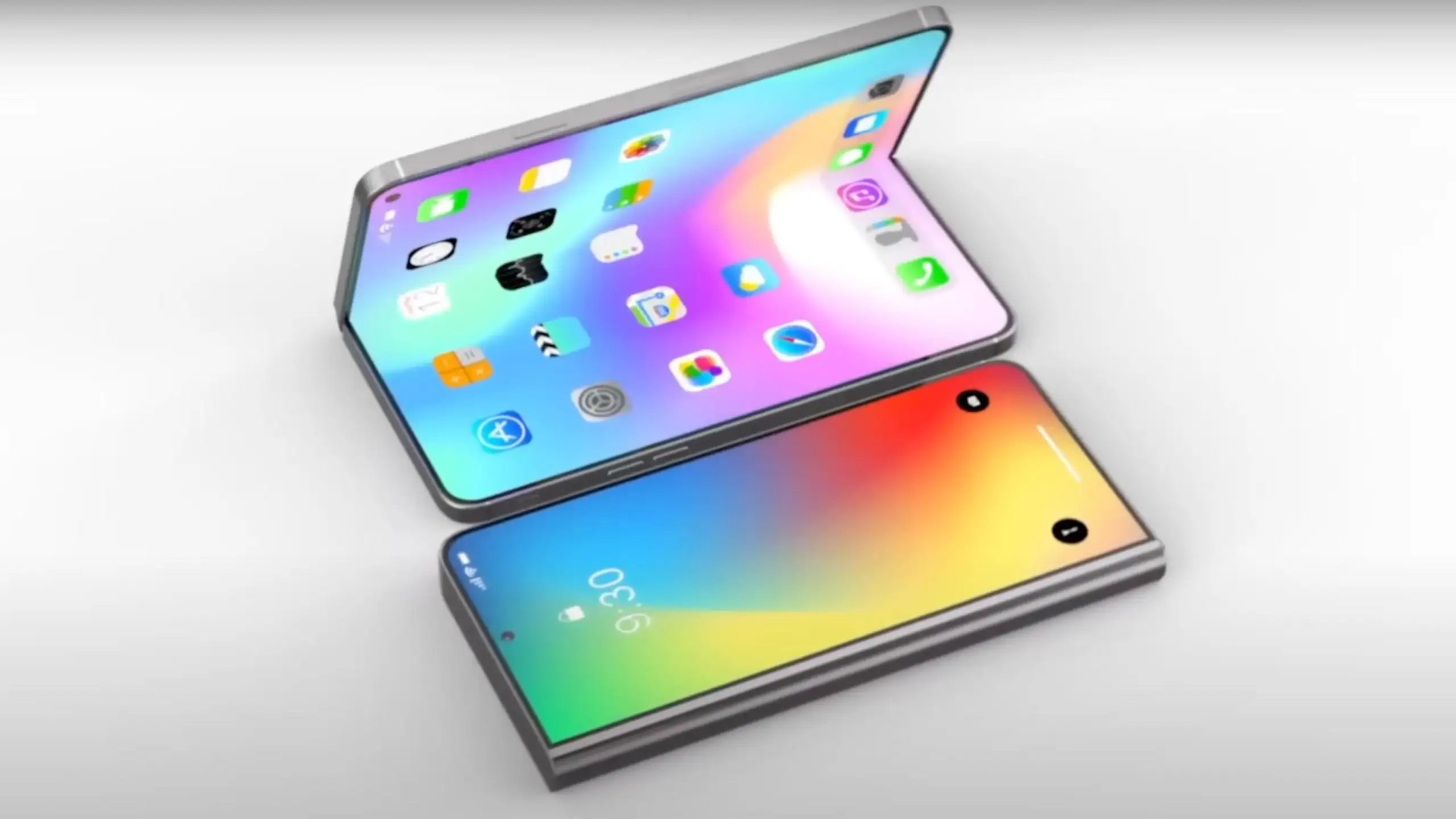 Photo via Creative Bloq // A concept rendering of what Apple's 2026 (or 2027) Foldable iPhone might look like.
Why the release date slipped
Here’s the thing: building a foldable isn’t just “make a great iPhone, add a hinge.” The hinge is the phone. It takes absurd precision to keep a thin, book-style device from creasing, cracking, or feeling gummy after thousands of folds. Mizuho Securities told clients that final design calls—especially the hinge spec—aren’t done, which makes a September 2026 mass-release tough. “It is not easy to mass-produce a foldable phone in the third quarter of 2026 and release it in September,” the note says. That nudges the timeline to 2027.
If Apple tried to force a 2026 launch, production would likely undershoot earlier forecasts by several million units—never a good look for a first-generation product. Better to wait a year than roll out a halo device with supply gaps and an iffy crease.
It is not easy to mass-produce a foldable phone in the third quarter of 2026 and release it in September.— Mizuho Securities
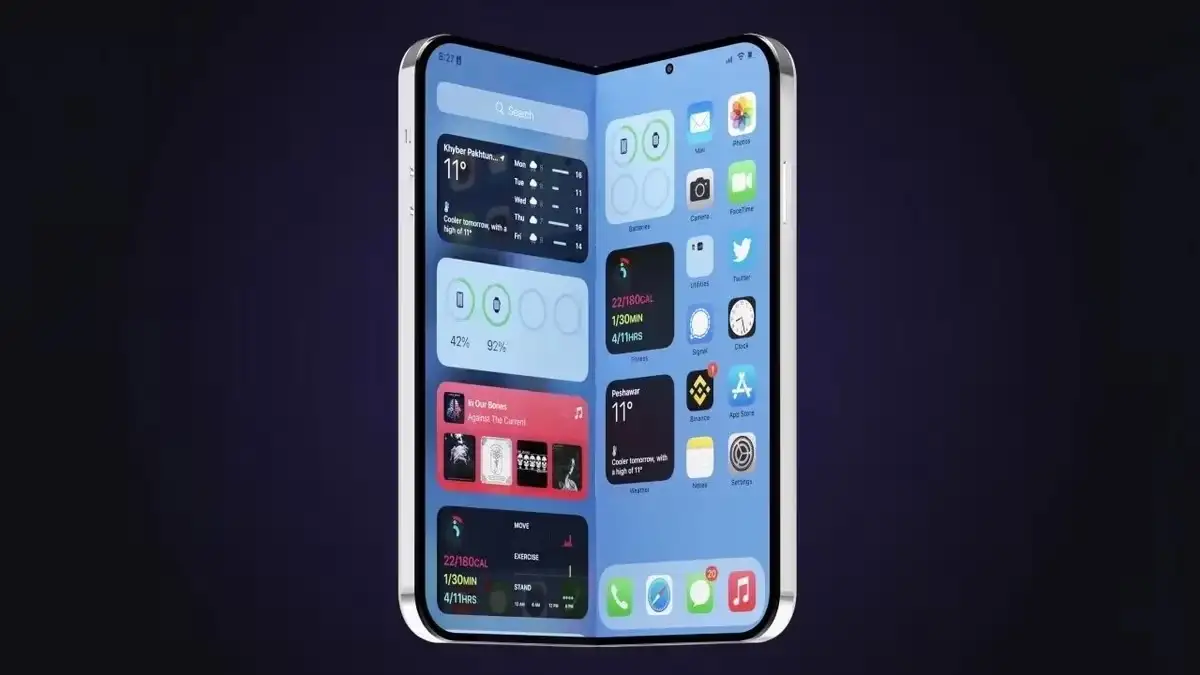 Photo via LOS40 // Another 3D concept image of Apple's 2027 Foldable iPhone.
What the iPhone Fold might actually be
Numbers have moved a touch. The latest sizing points to a 5.38-inch outer display and a 7.58-inch inner display—slightly smaller than spring rumors—and in the ballpark of a slim book-style device rather than a mini-tablet. That outer screen size roughly echoes the old iPhone mini vibe, and the inner would be the largest “iPhone” display ever.
There’s also a practical money angle: analyst Ming-Chi Kuo now pegs the hinge cost around $70–$80 once mass production settles, versus the earlier $100–$120 chatter. Lower hinge costs don’t guarantee a cheaper iPhone Fold, but they give Apple more room on pricing—or headroom to spend elsewhere (battery, materials, camera stack) without the sticker going wild.
And yes, one rumor keeps circling: Touch ID, not under-display but in the power button—very iPad-ish. Treat this as “interesting, not confirmed,” but it matches Apple’s habit of favoring proven parts in first-generation hardware.
A reality check
While Apple tunes the hinge, the foldable market… moved.
Huawei leads globally, Motorola has surged into second, and Samsung—pioneer of the category—was third in Q2 2025. Counterpoint’s data shows Huawei at ~45% share, Motorola at ~28%, and Samsung around 9% for that quarter. In short: foldables are growing, but the leaderboard isn’t what most U.S. fans expect.
This is useful context. Foldables still ship in modest volumes versus slab phones, and leadership can swing on one hot model per region. Apple entering a year later won’t tank the category; if anything, it gives Cupertino time to watch hinge longevity, panel yields, and pricing elasticity play out across rivals.
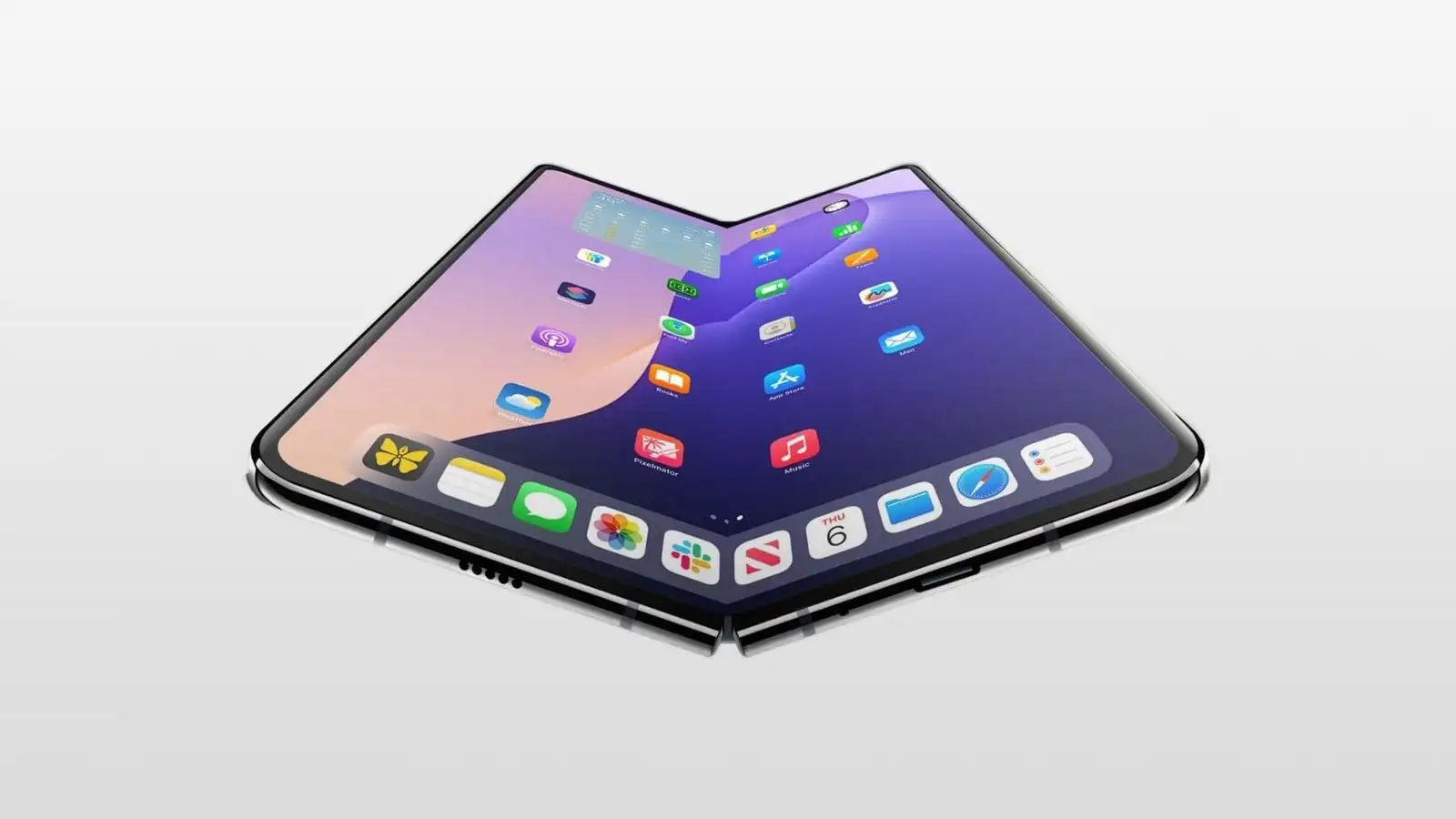 Photo via iPhoneSoft // 2027 Apple iPhone Fold concept image.
The risks for Apple
I’ll say the quiet part: waiting raises the bar. If the iPhone Fold lands in 2027 and feels like “a Galaxy-style foldable with iOS,” some fans will shrug. On the flip side, launching too soon with a visible crease or a stiff hinge would haunt the brand longer than a one-year delay. Pick your poison. Apple usually picks patience.
You know what? That patience often pays off—when it’s paired with a few “only-on-iPhone” flourishes. Think: a hinge that resists micro-wobble, a panel stack that hides the crease in normal lighting, and software that treats the inner display like a small iPad, not just a stretched iPhone. Multitasking that feels breezy, continuity that’s invisible, and camera UX that treats the fold as a feature, not a workaround.
What to watch next
- Supplier lock-ins: News of final hinge suppliers (and yields) will be the tell. Kuo’s hinge cost reset is a hint that the design is stabilizing.
- Panel orders: Any credible uptick—or cut—on foldable panel procurement will move the timeline. Mizuho’s caution flags are why 2027 is the safer call today.
- Software breadcrumbs: iOS features that mirror iPadOS split-view patterns, app pairs, or “tabletop” camera modes would foreshadow the product.
- Accessory rumors: Rugged cases with spine reinforcement or MagSafe tweaks for a fold are canaries in the coal mine.
So… should fans be annoyed?
A little? Sure. But a first-generation foldable iPhone needs to feel premium on day one and year three. If the hinge and panel stack aren’t bulletproof yet, another four quarters of testing is wiser than pushing a hero device out the door and hoping for the best. The latest notes suggest Apple agrees—and is willing to eat the headlines now to avoid the headaches later.
Recommended by the editors:
- No More September iPhones? Apple's Strategy Shift Changes Everything
- MacBook Pro M6 OLED Rumors: Release Date, Price, Features, and More
- iPhone 18 Rumors: Apple Reportedly Testing Under Display Face ID
- Intel Could Finally Return to Apple Computers in 2027
- Foldable iPhone Could Be Apple’s Most Expensive Phone Ever At $2,399
Published to Apple Scoop on 19th October, 2025.