Apple Hits Pause on Vision Pro Development — Is the Headset in Jeopardy?
- Vision Pro isn’t dead—it’s idling, and that’s the tell.
- Apple’s next swing? Glasses you can wear outside without a second look.
- An M5 bump keeps the lights on, not the dream alive.
- Developers hate pauses; Apple’s betting the wait is worth it.
- If glasses land in 2026, the headset era becomes a footnote—or a warm-up.
For a product Apple once framed as the dawn of “spatial computing,” Vision Pro has landed in a strange place. It's technically dazzling, commercially pretty wobbly, and now, reportedly, totally shifting strategy. In the past year, credible reporting has moved from “Pro 2 release date slowed down” to “cheaper Vision Pro model delayed” to, as of this month, “headset revamp on pause while Apple races toward smart glasses.” It's not really a minor tweak anymore; it's a pivot.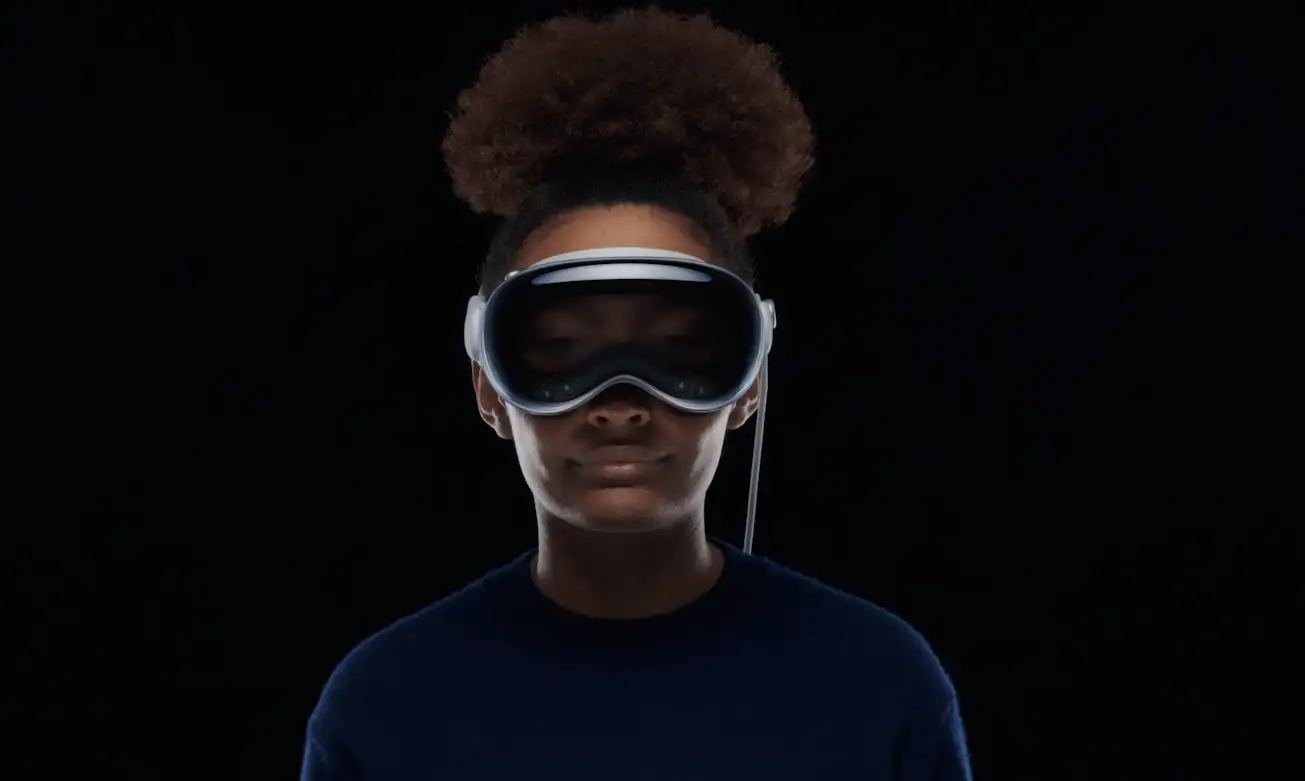 Photo via Apple // Apple Vision Pro was announced by Apple in June 2023, spurred on by interest in Meta's Metaverse concept. With Metaverse all but dead in 2025, is Apple once again following Meta into a dark corner?
The Plan That Was
Air + Pro, like iPhone and Mac
Apple’s original play seemed familiar: a two-tier lineup. First, a lighter, cheaper “Vision Air” to broaden the tent; then a redesigned Vision Pro 2 later—better displays, less weight, longer battery life, lower price. Classic Apple rhythm: make a premium first act, follow with a crowd-friendly sequel, then iterate. Reporting through mid-2024 tracks that arc, with Apple suspending the high-end successor to accelerate the lower-cost model. It sounded sensible on paper; the $3,499 launch unit was brilliant but bulky, pricey, and limited by early-ecosystem software.
Where It Started Slipping
By late 2024, multiple outlets described a production pullback on the first-gen Vision Pro—and even chatter that it could be sunset by year’s end. That doesn’t happen if demand is running hot. If anything, it hinted at a rethink brewing inside Apple. Into early 2025, more reports suggested the first model had, at minimum, been de-emphasized. None of this meant Apple was “done” with spatial computing; it did mean the headset path was getting narrower.
The New Reporting
The headset has been paused, with Glasses now prioritized
Fast-forward to this month: Bloomberg reports Apple has paused a planned Vision Pro overhaul to reassign talent toward a pair of Apple smart glasses—framed explicitly as a race with Meta’s momentum in the category. The Verge’s summary aligns: two glasses tracks are in play, one nearer-term model leaning on voice/AI and onboard sensors, and a display-equipped variant on a longer fuse. If accurate, this is Apple picking the lane it believes can reach everyday wear sooner.
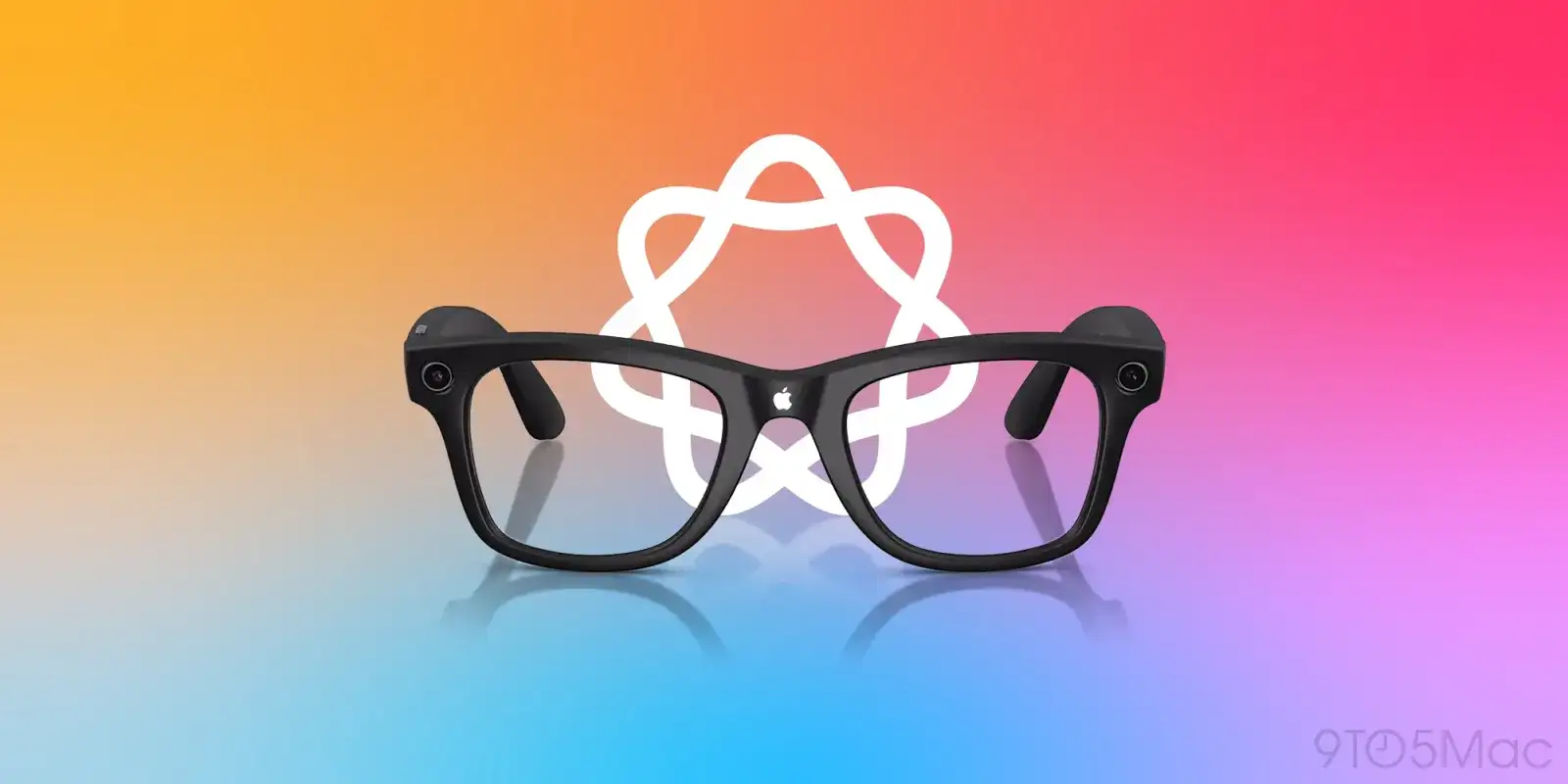 Photo via 9to5Mac // A concept rendering of what 'Apple Glass' or 'Apple Glasses' might look like.
So…is Vision Pro dead? Not exactly.
Several outlets also point to a modest Vision Pro refresh—think “spec bump,” not “Pro 2.” Expect something like Apple’s next-gen Mac-class silicon (M5) and a comfort tweak such as a revised strap/headband. That keeps today’s hardware from feeling stale while Apple pours engineering calories into glasses. It’s pragmatic, but let’s not pretend it solves weight, price, or battery life in one go.
What an “M5 Vision Pro” refresh likely means (and doesn’t):
- Faster app launches, snappier multitasking, better thermal efficiency—helpful, absolutely
- Potential new band to ease pressure points—welcome, if modest
- Same core optics, similar heft, similar external battery—so core comfort/everyday-wear questions remain
(There are even blog rumors of related regulatory filings nudging timing, which fits Apple’s usual pattern of quiet spec updates—though treat those as tea leaves, not gospel.)
Why Glasses Make Sense for Apple
Here’s the thing: headsets are amazing for immersion, but they’re not “leave the house” gear. Glasses can be. If Apple wants ambient computing—glanceable AI, lightweight capture, subtle navigation, translation, sports or concert overlays—glasses solve more daily jobs than a face computer the size of a lunchbox. Meta’s Ray-Ban line has shown the social acceptability path; Apple believes it can do the same with tighter iOS integration and its own silicon.
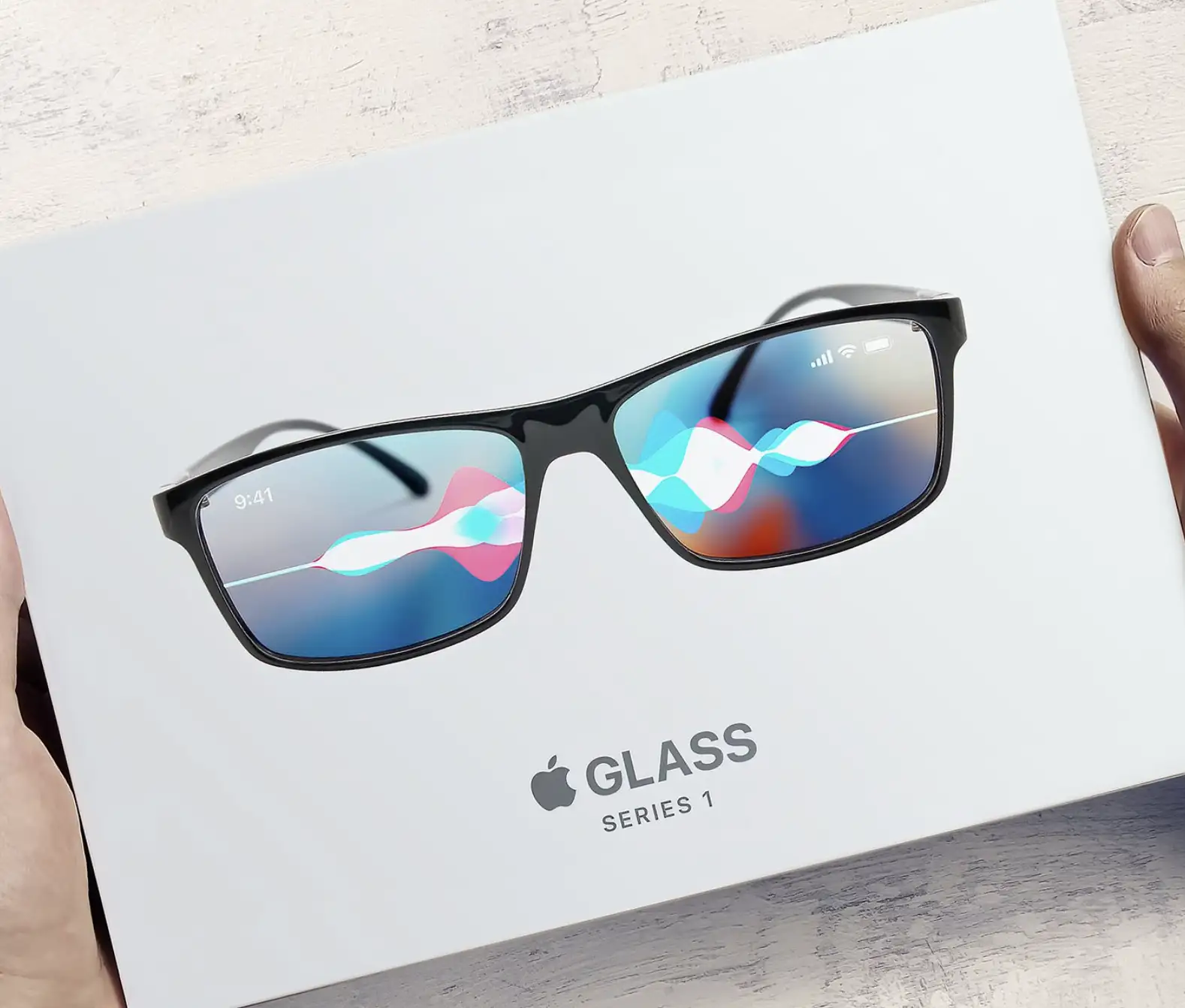 Photo via Breeze Residency // A 3D rendering of what the Apple Glasses packaging and design might look like.
That’s the bet.
But glasses are brutal. Weight, heat, battery, displays bright enough for outdoors, privacy indicators, input that doesn’t make you feel weird in public—every one of those is a boss-level problem. Apple’s move reads like a company deciding “ship the wearable first, perfect the optics later.” Sensible. Also risky.
The Risk of a Pause
Pauses have a cost. Developers hesitate. Early adopters drift. Narrative hardens. If Apple ships a small Vision Pro refresh while freezing major headset R&D, the platform risks feeling museum-piece-adjacent—alive, but not evolving fast enough to change minds. (We’ve seen this movie with beautiful but niche Apple products before.) That’s why the glasses timeline matters so much: the gap can’t be long.
The Take
There’s a mild contradiction here: Apple is “all-in” on spatial computing, but pulling back from the very hardware that introduced it. The way out of that contradiction is obvious—ship glasses people actually want to wear. If Bloomberg’s reporting holds, that’s exactly the plan, with Vision Pro kept warm via a silicon refresh while the glasses team sprints. It’s gutsy. It’s also the only way to make spatial feel normal instead of novel.
Recommended by the editors:
- No More September iPhones? Apple's Strategy Shift Changes Everything
- MacBook Pro M6 OLED Rumors: Release Date, Price, Features, and More
- iPhone 18 Rumors: Apple Reportedly Testing Under Display Face ID
- Intel Could Finally Return to Apple Computers in 2027
- Foldable iPhone Could Be Apple’s Most Expensive Phone Ever At $2,399
Published to Apple Scoop on 11th October, 2025.