Apple Glasses Rumors: Release Date, Features, Pricing, and More
- Apple's next wearable might not even need a screen.
- Fashion meets function—expect frames you’d actually wear.
- Launch in 2026, release in 2027? Yep, that's what's rumored.
You can feel it—the glasses moment is getting real again. Not the awkward “remember Google Glass in 2013?” kind of real, but the “AI in your pocket, on your face, and quietly useful” kind. Meta’s Ray-Ban line nudged the door open. Apple’s Vision Pro and visionOS quietly built the basement. Now, the rumor mill says Apple Glasses are lining up for a reveal next year, with first units shipping in 2027. That gap sounds strange—until you remember Apple loves to show a brand-new category early, give the ecosystem time to breathe, then ship when it’s ready.
You know what? That actually fits.
 Photo via PhoneArena // A concept rendering of Apple's upcoming smart glasses, expected to be called Apple Glasses or Apple Glass.
So, what are Apple Glasses—really?
Short version: Gen-1 Apple Glasses are reportedly AI-forward, camera-equipped smart glasses without a built-in display. Think: capture moments, ask Siri, get directions, identify a plant, find your car, hear a reply—but no floating HUD in front of your eyes (yet). They’re designed to pair with an iPhone, much like Apple Watch did at launch, and to lean hard on Apple Intelligence for on-device smarts plus private offload when needed.
Rumored headliners
- A new low-power Apple chip (watch-class DNA) tuned for cameras and efficiency
- Multiple cameras for photos, video, and scene understanding
- Visual Intelligence features: “What am I looking at?” but fast, context-aware, and useful
- Siri, rebuilt with large-language-model brains for natural voice control
- Built-in speakers for subtle audio feedback and hands-free media
- Tight iPhone pairing for heavier tasks and network hand-offs
- Health-tracking exploration (details still under wraps)
- Styles, sizes, colors—because these live on your face, not in your bag
Now let’s make that less abstract and more “yep, I’d use that on a Tuesday.”
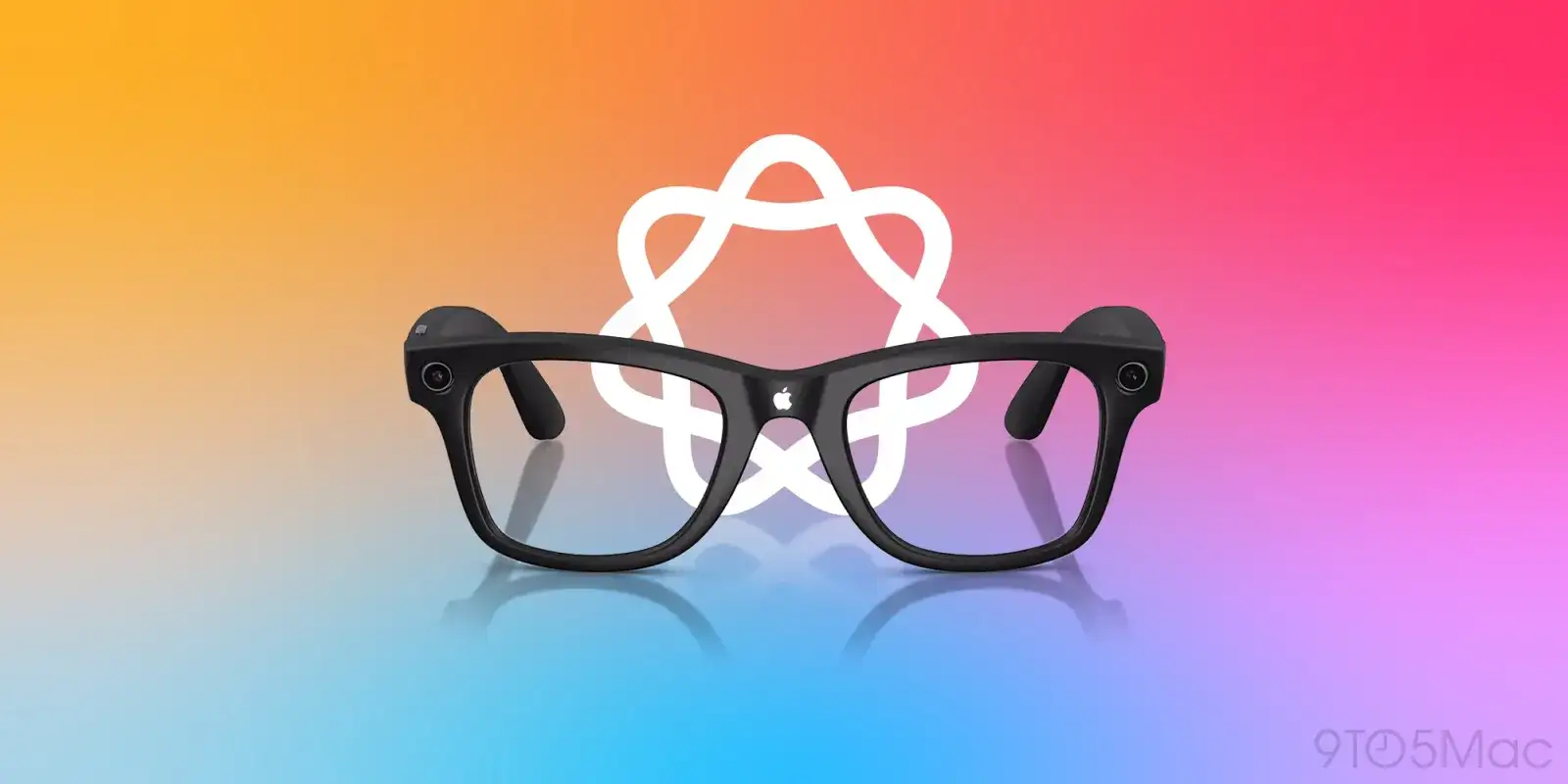 Photo via 9to5Mac // Another futute Apple Glasses concept.
The chip that sips
Apple Vision Pro showed off raw power. Glasses will worship the opposite god: restraint. A watch-class chip makes sense because thermals, weight, and battery are merciless in eyewear. Expect short spikes (snap a photo, identify a flower) and lots of idle awareness. If you’re picturing full-blown AR shaders, hold that thought—that’s future-model territory. First-gen is about quiet, dependable presence.
Visual Intelligence: pointing your eyes is the new click
Point your head at a storefront; ask, “What time do they open?” Glance at a tram sign; say, “Is this the next stop for Britomart?” The cameras provide context, the on-device models process what they can, and Siri ties it together with a natural reply. That’s the magic trick: no screen, yet still helpful, because the answer lands in your ear or on your iPhone if it needs detail.
A small caution: people are sensitive to cameras on faces. Which brings us to…
Siri grows up—because it has to
If voice is the main control surface, the assistant can’t fumble. The new Siri (backed by Apple’s LLM approach) needs to handle compound requests, understand context, and keep a memory of what you’re doing—without you sounding like a robot. “Text Jess the photo we just took,” should work. So should “Translate this sign,” and “Where did I park?” Bonus points for glance-based intent: if your gaze is on a recipe, “How many teaspoons is a tablespoon?” shouldn’t require extra setup.
Sound that stays yours
Built-in speakers are a must for quick prompts and mini-replies, but privacy matters. Expect a design that keeps audio directional and low-leak, nudging you toward AirPods for music or calls in louder spaces. In a café, a soft “your order’s ready in 3 minutes” feels right. On a run, “turn left in 50 meters” is perfect.
Health: the quiet wildcard
No hard details yet, but Apple’s pattern is clear: light, passive health signals that add value without turning frames into a lab on your face. Think posture hints, head-motion metrics, maybe headache/eye-strain awareness, or simple movement nudges. Big-ticket vitals? Probably not in Gen-1, given weight and battery budgets.
Fashion matters more than features (and that’s not a bad thing)
Glasses are identity. If Apple nails fit, balance, and style variety, the tech becomes secondary—as it should. Different frame shapes, colors, and materials will matter as much as specs. A slightly more generous temple can hide a battery cell without screaming “gadget.” Also: prescription options will be crucial for wide adoption, even if that rolls out in phases.
Why announce in 2026 and ship in 2027?
It sounds unusual, but Apple has form here—new categories often get an early stage. It cools the rumor pressure, gives developers time to prep, and lets the supply chain ramp. Vision Pro did it. Apple Watch did it. Even the original iPhone had a runway. For glasses, social norms and developer patterns also need a minute. What does a “photo taken with glasses” watermark look like? How do third-party apps request visual context ethically? That’s not a weekend sprint.
Who actually benefits first?
- Photographers & creators: hands-free capture for B-roll, quick notes, location tags.
- Runners & cyclists: turn-by-turn audio, pacing cues, “water ahead” reminders without pulling out a phone.
- Parents: “Where did I park?”, “Text the babysitter we’re 10 minutes away,” “Reminder: pick up school forms.”
- Travelers: live translation, landmarks explained, transit prompts that feel like a friendly local.
- Students & researchers: “Save this whiteboard,” “Summarize the lab steps I’m looking at,” “Bookmark this page number.”
What Gen-2 likely adds: displays and richer AR
Reports already hint at a follow-up model with displays. That’s where subtle overlays, glanceable notifications, and light AR flourish. But Apple’s playing the long game: start with socially acceptable, comfortable, all-day frames; earn trust; then layer visuals when the optics, weight, and battery can handle it gracefully.
Pricing, reality checks, and the mood
Ray-Ban Meta starts around the mid-$300s. Apple rarely undercuts on price, but it does justify. If the audio quality is better, the cameras cleaner, the privacy posture stronger, and the iPhone tie-in seamless, that story tells itself. The real question isn’t “How much?” It’s “Will I wear these every day?” If the answer is yes, the price conversation softens—fast.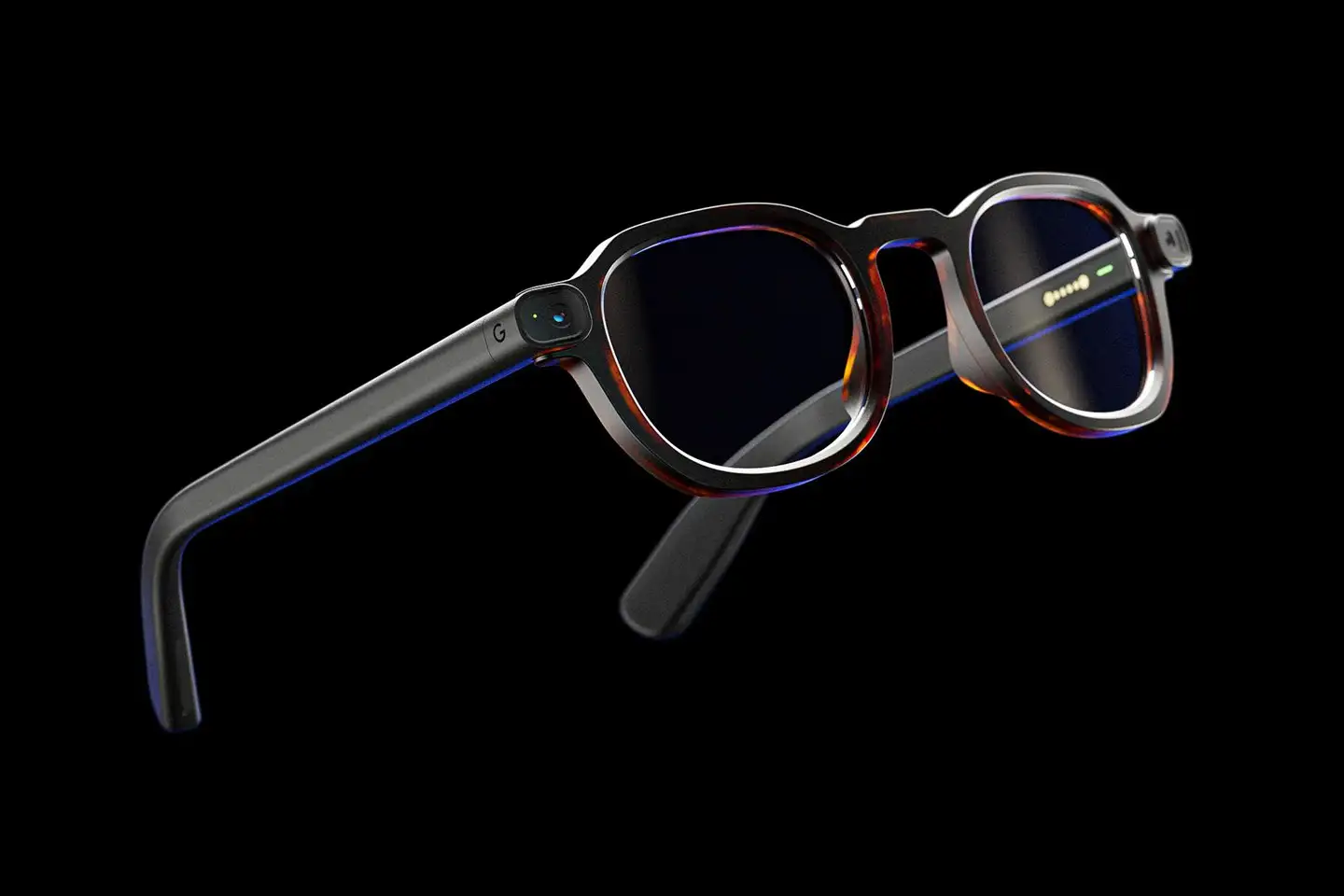 Photo via Gagadget // A snapshot at Google's augmented reality glasses.
The wrap
Apple Glasses, as rumored, are not trying to be mini-Vision Pro. They’re trying to be useful the moment you step outside. Snap, ask, hear, keep moving. If Apple lands the basics—style, comfort, truly helpful voice, and respectful use of the cameras—this could be another classic move: not first, but the one that sticks.
Recommended by the editors:
- No More September iPhones? Apple's Strategy Shift Changes Everything
- MacBook Pro M6 OLED Rumors: Release Date, Price, Features, and More
- iPhone 18 Rumors: Apple Reportedly Testing Under Display Face ID
- Intel Could Finally Return to Apple Computers in 2027
- Foldable iPhone Could Be Apple’s Most Expensive Phone Ever At $2,399
Published to Apple Scoop on 3rd October, 2025.






Can't wait for apple glass!!!
9 months ago