iPhone 17 Pro Max Only Costs Apple $408 To Manufacture
- Apple's latest flagship is built for just $408 in parts—wait, what?
- Selling for a minimum of $1,199, let's break down the real cost of Apple's iPhone 17 Pro Max.
- R&D, yields, freight, stores—yep, they all add up. Worth it or not? It depends on what you value. Read on.
You look at the iPhone 17 Pro Max price and wince. Starting at $1,199, it’s not exactly shy about being premium. That sticker is straight from Apple’s storefront, not rumor mill chatter.
Now to the part that makes people raise an eyebrow: multiple viral posts and articles claim the bill of materials (BOM)—the raw parts—lands around $408. Those breakdowns list the A-series chip, 5G modem, display, and camera as the big-ticket items, with the frame, storage, memory, and battery trailing behind. These figures are circulating in consumer media and social feeds, not from Apple itself, and rely on unnamed “industry data.” Treat them as estimates, not gospel.
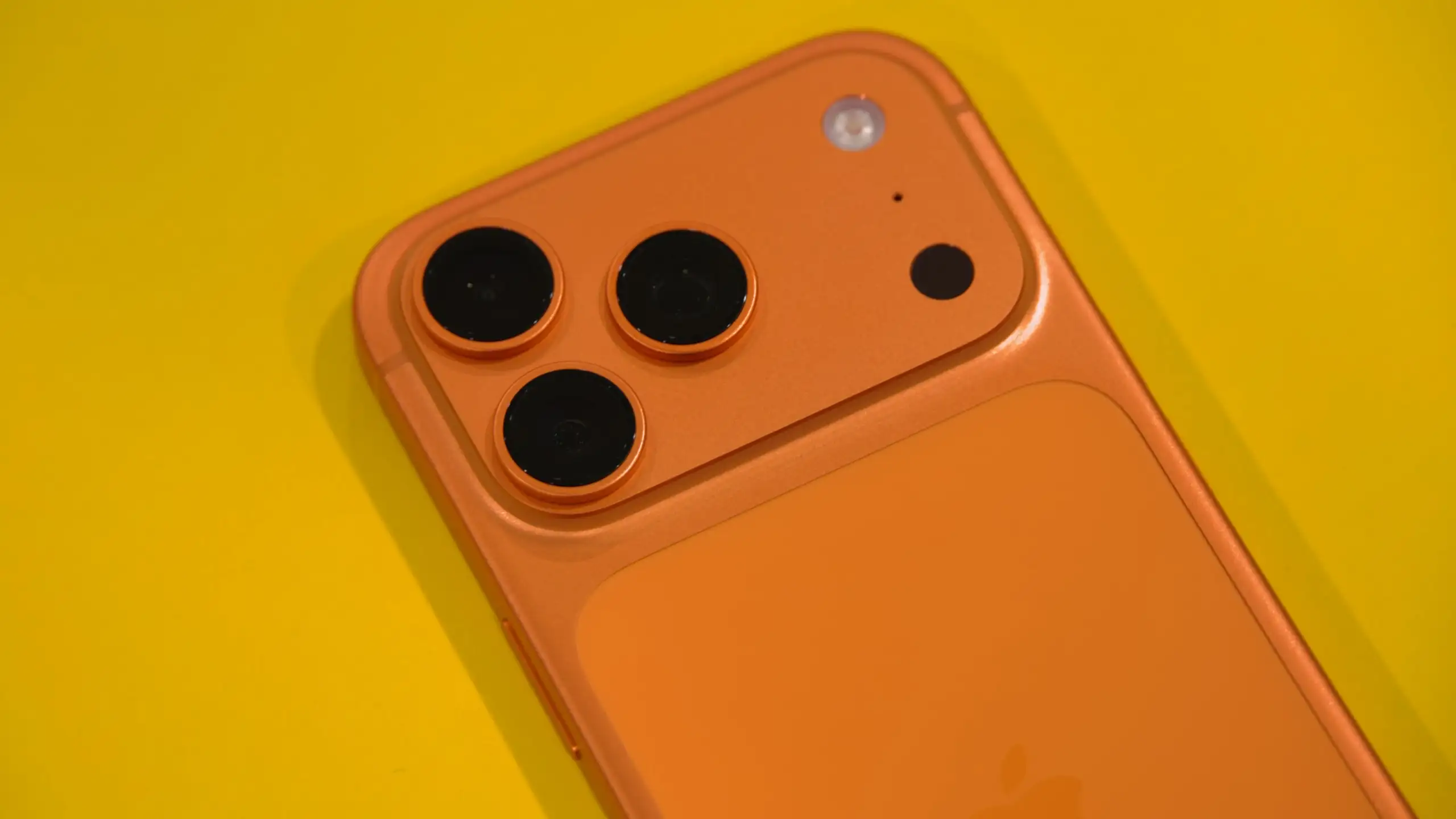 Photo via Ars Technica // Apple iPhone 17 Pro Max.
A quick reality check helps: for the iPhone 15 Pro Max, a reputable teardown firm (Counterpoint) publicly pegged the BOM around the mid-$500s—higher than those “$400-ish” posts for the iPhone 17 Pro Max. Different phone, different year, but it shows how methodology and component choices swing totals. Public, open-access BOMs for the 17 Pro Max from top teardown houses are limited so far, while TechInsights and others have covered the launch and specs in detail without publishing a full free BOM.
What the “$408” really covers
Even if you accept the ~$408 figure as a ballpark for physical parts, it only counts hardware at component pricing—chips, sensors, screens, casing, battery cells, memory packages, and so on. It doesn’t include:
- R&D on silicon (A19 Pro), camera pipelines, iOS features, and security stacks spread across multiple generations.
- Manufacturing complexity: precision assembly, yields, rework, and factory tooling for things like tighter tolerances and new materials.
- Global logistics: freight, insurance, customs; there’s a whole choreography behind getting your phone to your pocket.
- Marketing and retail: launch campaigns, carrier partnerships, Apple Store overhead, and customer support that actually solves things.
- Warranty reserves and after-sales: Genius Bar appointments, swaps, and refurb pipelines aren’t free.
It also skips Apple’s materials choices—for instance, the company’s documented push on recycled inputs (like 100% recycled cobalt in the battery) and broader environmental engineering. Those decisions often raise upstream costs while lowering environmental footprint.
 Photo via Apple // The gorgeous new orange shade shown with Apple's latest iPhone 17 Pro Max.
Where your money actually goes
Here’s the cleaner way to think about the gap between parts and price:
- Custom silicon is expensive before it’s “cheap.” Apple eats years of design cost, EDA tools, verification, and TSMC leading-edge process premiums—then amortizes it across tens of millions of devices. The A19 Pro and modem stack aren’t generic; they’re built to run iOS and Apple’s camera/computational photography goals with minimal friction. (TechInsights’ public launch note highlights the A19 Pro and camera upgrades, even if it doesn’t list a BOM.)
- Yield and quality control matter. If you reject more panels to hit uniform brightness or color targets, your screen “cost” per passing unit climbs, even when the tag price for a panel looks stable on paper.
- Distribution layers pile on. Air freight deadlines, launch-day inventory, channel incentives—those dollars don’t show up in a teardown spreadsheet.
- Retail and support are part of the product. The store you walk into, the person who fixes your phone, the replacement program when things go south—those are line items.
- Margin funds the next round. Apple’s hardware margin pays for future chips, cameras, and platform work. That’s also why you often see consistency in experience year after year.
But it's more than just metal and glass
Here’s the thing: the iPhone isn’t just a slab of parts. It’s a tightly-knit stack—hardware, firmware, and iOS—that behaves like a single organism. The UI polish, the camera processing that nails a tough backlit shot, the handoff to your Mac, the watch unlock at your desk—those small moments feel effortless because they’re carefully engineered to be invisible.
You know what? That “invisible” part is expensive.
Apple also invests in long-tail services and accessories that orbit the phone. Yes, that broader Apple ecosystem brings revenue, but it also subsidizes the kind of platform work (privacy features, on-device intelligence, accessibility) fans have come to expect. Pricing reflects that whole picture, not just the BOM subtotal.
So… is the iPhone 17 Pro Max “overpriced”?
Short answer: it depends on what you value.
- If you judge a product purely by parts cost vs. retail, a premium iPhone will almost always look pricey. Viral BOM posts make that feel stark—especially when they cite sub-$500 parts tallies against a four-figure sticker.
- If you judge it by experience and lifecycle—5+ years of iOS updates, resale value, consistent camera wins, tight app quality, and real-world support—the calculus shifts. Historically, authoritative BOMs (like Counterpoint’s for iPhone 15 Pro Max) run significantly higher than viral graphics, and they still don’t include R&D, logistics, or support—so BOM-to-price will never tell the whole story.
My take for Apple fans: the 17 Pro Max is priced like a halo device because it is a halo device. If you live inside the Apple ecosystem and care about that seamless hand-off life, the price is paying for the parts and the polish. If you don’t, you’ll see a markup—because for you, it is one.
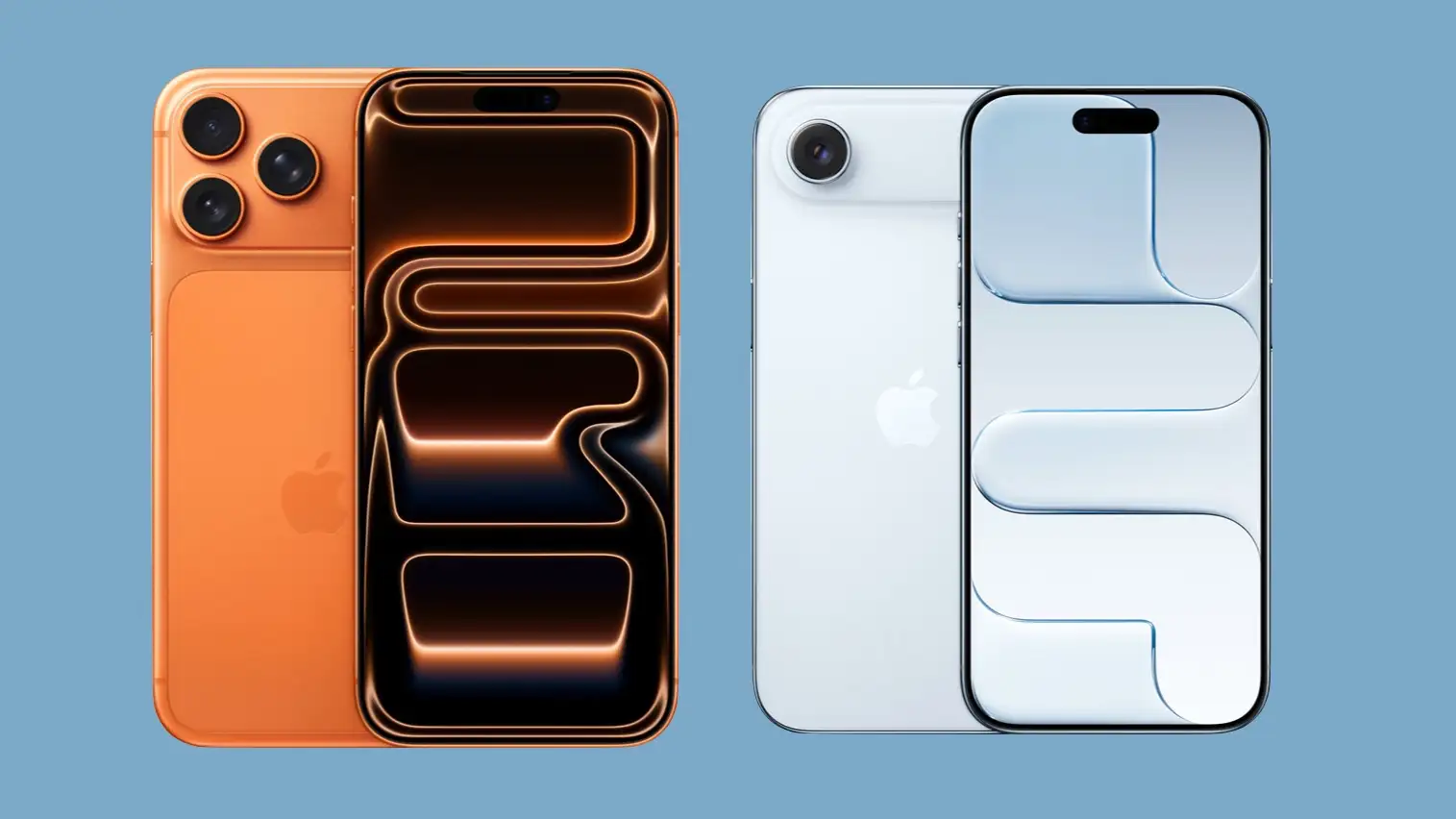 Photo via Cult of Mac // iPhone 17 Pro Max (left) vs. iPhone Air (right).
A few grounded checkpoints before you buy
- Confirm the official price in your market (trade-in promos can change the math fast).
- Treat widely shared $408 BOM posts as directional, not definitive; look for updates from teardown specialists as their work becomes public.
- Remember that materials and environmental choices affect upstream costs—and may matter to you beyond the receipt.
Bottom line
The iPhone 17 Pro Max isn’t expensive because its parts are expensive; it’s expensive because the whole is designed to feel frictionless for years. That’s the price of the magic trick—whether you think the trick is worth it is the only question that matters.
Recommended by the editors:
- iPhone 18 Rumors: Apple Reportedly Testing Under Display Face ID
- iPhone Fold Rumors: Release Date, Design, Cameras, Pricing, and More
- Upcoming iPhone Air 2 Could Feature Two Rear Cameras
- iPhone 18 Pro Colors Leak: Coffee, Purple, Burgundy — Still No Black
- iPhone 18 Rumors: Release Date, Pricing, Cameras, Design, Leaks and More
Published to Apple Scoop on 18th October, 2025.