Why is Apple switching to USB — C? It's more complicated than you might think
- Apple has confirmed that iPhones will use USB-C instead of Lightning connector due to new EU regulations.
- USB-C is already standard on other electronics and will be required on all phones sold after autumn 2024.
- Apple previously resisted switching due to concerns about stifling innovation and creating e-waste.
- Apple will comply with the regulations, but argues it would have been better to not have a government mandate.
- iPhone 15 or its follow-up expected to be the first to use the USB-C connector.
- Lightning/USB 2.0 speeds limited to iPhone 15 and iPhone 15 Plus, faster transfer speeds exclusive to Pro models.
However, the company had previously resisted switching its phones to the standard, citing concerns that mandating one type of connector would stifle innovation rather than encourage it, which could harm consumers in Europe and worldwide. Those in favour of the Lightning connector have pointed to its smaller size and the range of Lightning-based adapters and accessories owned by users around the world, which could create more e-waste.
 Image credit: WIRED
Apple's head of marketing, Greg “Joz” Joswiak, confirmed that the company will comply with the new regulations, but argued that it "would have been better environmentally and better for our customers to not have a government be that prescriptive." He refused to answer questions about timing or whether Apple would try to make USB-C iPhones exclusive to the EU, but it is likely that either the iPhone 15, expected in September 2023, or its follow-up, expected in September 2024, will be the first to use the connector. “The Europeans are the ones dictating timing for European customers,” Joswiak added.
Image credit: WIRED
Apple's head of marketing, Greg “Joz” Joswiak, confirmed that the company will comply with the new regulations, but argued that it "would have been better environmentally and better for our customers to not have a government be that prescriptive." He refused to answer questions about timing or whether Apple would try to make USB-C iPhones exclusive to the EU, but it is likely that either the iPhone 15, expected in September 2023, or its follow-up, expected in September 2024, will be the first to use the connector. “The Europeans are the ones dictating timing for European customers,” Joswiak added.
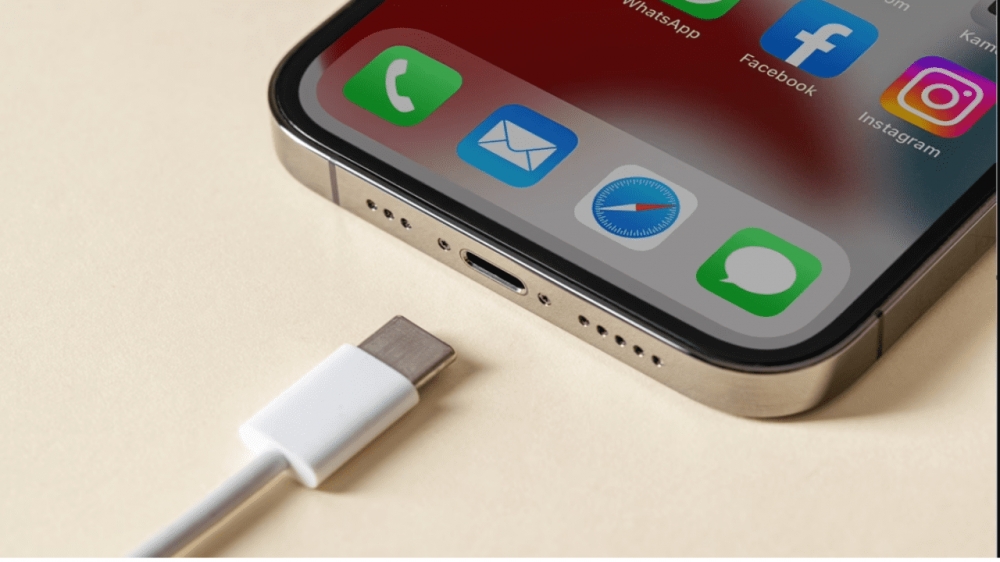 Image credit: Gizchina
Meanwhile, Apple analyst Ming-Chi Kuo believes that the USB-C port on the iPhone 15 and iPhone 15 Plus will remain limited to Lightning/USB 2.0 speeds, while faster transfer speeds will be exclusive to the iPhone 15 Pro and iPhone 15 Pro Max.
Image credit: Gizchina
Meanwhile, Apple analyst Ming-Chi Kuo believes that the USB-C port on the iPhone 15 and iPhone 15 Plus will remain limited to Lightning/USB 2.0 speeds, while faster transfer speeds will be exclusive to the iPhone 15 Pro and iPhone 15 Pro Max.The Lightning connector has been used since 2012, with first-party and MFi-certified Lightning ports and connectors containing a small integrated circuit that confirms the authenticity of the parts involved in the connection. The MFi program makes it easier to expose counterfeit and potentially dangerous accessories, but there are concerns that Apple could use it to limit features such as fast charging and high-speed data transfer to Apple and MFi-certified cables. In a tweet, Apple leaker ShrimpApplePro claimed that "cables with no MFi will be software limited in data and charging speed."
Cables w no MFI will be software limited in data and charging speed
— ShrimpApplePro 🍤 (@VNchocoTaco) February 28, 2023
Despite these concerns, the switch to USB-C is expected to reduce e-waste, and recycling should be encouraged. It remains to be seen whether Apple's decision to switch to USB-C will lead to other companies following suit.
Recommended by the editors:
- No More September iPhones? Apple's Strategy Shift Changes Everything
- iPhone 18 Rumors: Apple Reportedly Testing Under Display Face ID
- Foldable iPhone Could Be Apple’s Most Expensive Phone Ever At $2,399
- 200+ Best Winter Wallpapers for iPhone & Android (Free 4K/HD)
- iPhone Fold and iPhone Air 2: Rumors, Release Date, Design, Cameras, and More
Published to Apple Scoop on 4th March, 2023.