Why Did Apple Remove the Headphone Jack?
- Uncover the unexpected benefits Apple gained by saying goodbye to the headphone jack.
- Discover how this controversial decision paved the way for wireless audio dominance.
- Find out how fewer ports makes your devices sleeker and more durable.
In a landmark decision that reshaped the smartphone landscape, Apple eliminated the 3.5mm headphone jack starting with the iPhone 7 in 2016. This move, initially met with skepticism, has since proven to be a catalyst for technological advancement and design innovation.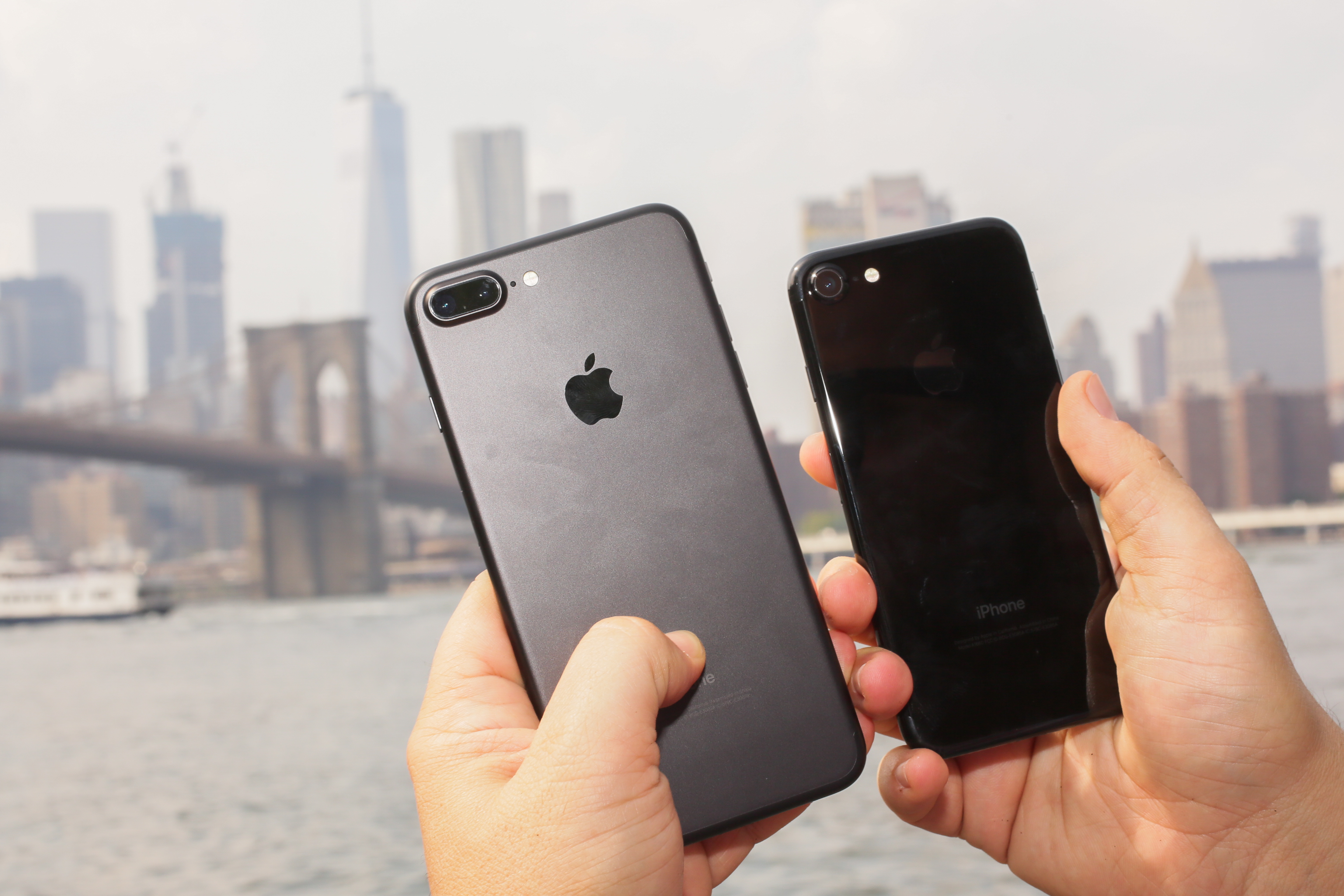 Photo via CNET // Apple's iPhone 7 and iPhone 7 Plus, the first iPhones to hit shelves without a headphone jack.
Streamlining Design and Enhancing Durability
One of Apple's primary motivations for removing the headphone jack was to streamline the device's design. Fewer ports mean fewer entry points for liquids, making devices more resistant to spills and easier to seal against the elements. As a result, Apple has been able to produce more waterproof models, enhancing the durability and appeal of its devices.
Phil Schiller, Apple’s former Senior Vice President of Worldwide Marketing, outlined three key reasons for this shift:
- Use: The headphone jack served a single function—connecting earphones. Occupying significant space for just one purpose was inefficient.
- Space: By repurposing the port for audio output, Apple freed up space for other enhancements, contributing to slimmer and more advanced device designs.
- Quality: Apple posited that digital audio offers superior sound quality compared to analog, allowing for higher bit-rates and better overall audio performance.
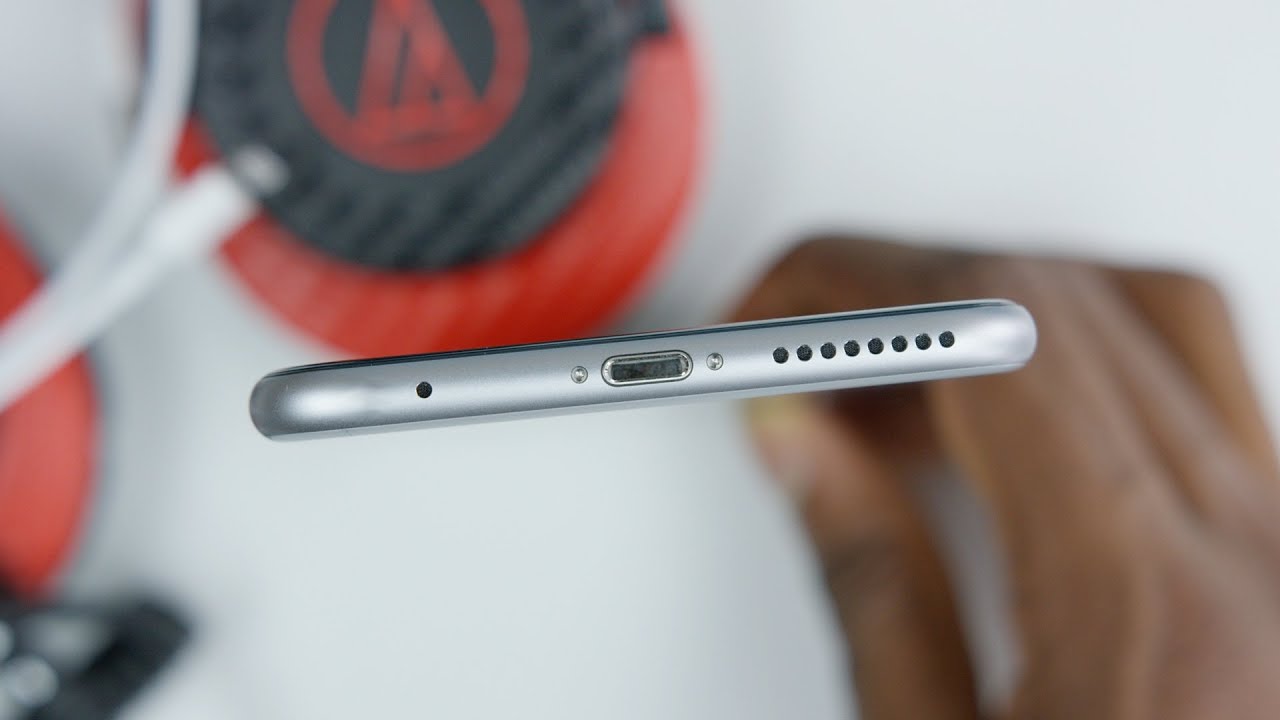 Photo via MKBHD (YouTube) // At the time, Apple was widely criticized for the decision not to include a headphone jack on their iPhone 7 series.
Paving the Way for Wireless Technology
Apple’s removal of the headphone jack coincided with the introduction of its wireless AirPods, priced at $159. This strategic move not only promoted the adoption of wireless audio but also allowed Apple to innovate without the constraints of legacy ports. "Removing the headphone jack will allow Apple to make a better, more innovative, and better designed device by removing the constraints it places on the device," notes technology analyst Benjamin Kopelke.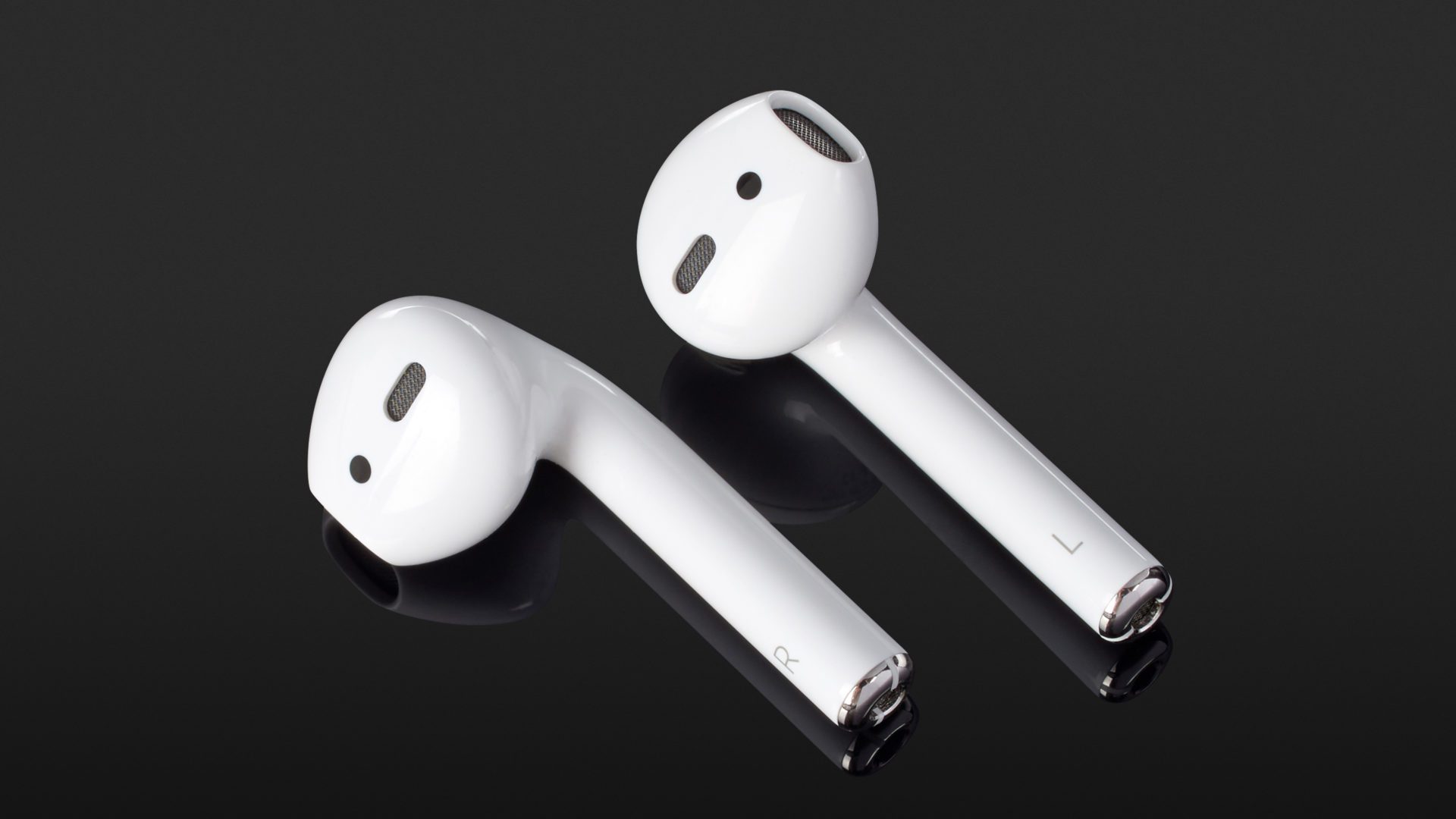 Photo via HeadphoneCheck // Apple's original AirPods, now known as AirPods 1.
Industry-Wide Implications
Apple has a history of setting industry standards by discarding outdated technology. The elimination of the headphone jack has prompted other manufacturers to follow suit, gradually phasing out the ubiquitous 3.5mm port in favor of USB-C. This transition promises greater interoperability across devices and accessories, simplifying the user experience.
Addressing Criticism and Consumer Adaptation
Despite the benefits, the removal of the headphone jack was not without backlash. Many users were inconvenienced by the need for adapters or the switch to wireless headphones. To mitigate this, Apple continues to offer a Lightning to 3.5mm adapter and a range of third-party accessories, ensuring that consumers can still use their existing wired headphones.
The Financial Angle
Skeptics argue that Apple's decision was also financially motivated. By promoting proprietary accessories like AirPods, Apple stands to benefit from additional revenue streams. The shift to digital connections also allows for enhanced control over data streams, potentially strengthening Apple's position in negotiations with content providers.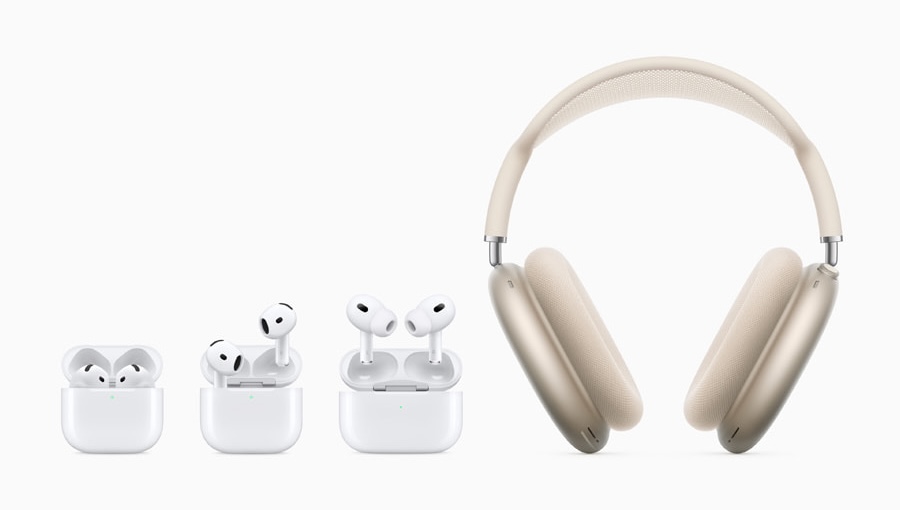 Photo via Apple Inc. // Apple's 2024 lineup of AirPods products, including the more expensive AirPods Pro and AirPods Max.
Long-Term Benefits and Future Innovations
Looking ahead, the removal of the headphone jack has opened doors for further innovations. The transition from Lightning to USB-C ports aims to unify charging and data transfer standards across devices, enhancing compatibility and convenience for consumers. Additionally, shrinking bezels and moving Touch ID to the screen are made possible by the freed-up space previously occupied by the headphone jack and home button.
Conclusion
Apple's bold decision to remove the headphone jack was driven by a combination of design efficiency, enhanced durability, and a push towards wireless technology. While it faced initial resistance, the move has ultimately spurred industry-wide advancements and solidified Apple's reputation as a leader in innovation.
Recommended by the editors:
- No More September iPhones? Apple's Strategy Shift Changes Everything
- iPhone 18 Rumors: Apple Reportedly Testing Under Display Face ID
- Foldable iPhone Could Be Apple’s Most Expensive Phone Ever At $2,399
- 200+ Best Winter Wallpapers for iPhone & Android (Free 4K/HD)
- iPhone Fold and iPhone Air 2: Rumors, Release Date, Design, Cameras, and More
Published to Apple Scoop on 21st October, 2024.