Apple’s ‘AI Doctor’: Is Apple About to Rewrite Healthcare?
- Apple’s next big service might be a health coach.
- Rumors point to 2026—and a smarter Health app that actually connects the dots.
- Think food photos, gentle nudges, and workout advice that fits your real week.
- Privacy stays front-row; diagnosis stays off the table (for now). Read on.
Apple’s health story has been a slow burn—step counter, Health app, Apple Watch, then a steady drip of features that quietly changed habits. Now the rumor mill says the next chapter is bolder: a paid Health+ tier pointed at 2026, built around an AI assistant that knows your stats and actually talks back with useful, personal advice. Sounds futuristic. Also sounds…very Apple.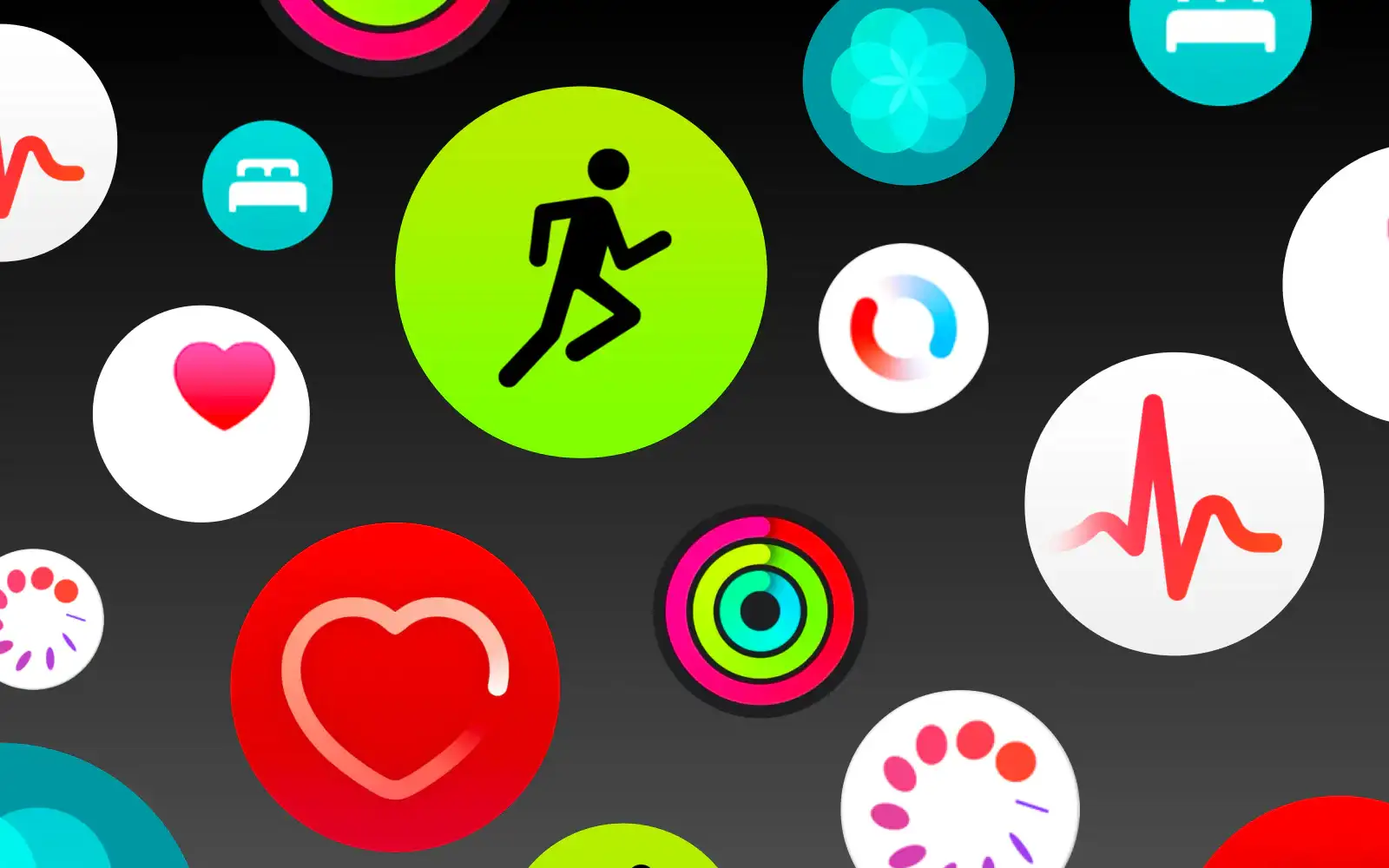 Photo via iStrap // 10 years after Apple began taking their health journey seriously with Apple Watch in 2015, rumors are now pointing to a new 'Health+' service that may influence the healthcare industry.
Why rumors feel louder right now
Team shuffles inside Cupertino don’t happen in a vacuum. Health and fitness reportedly sliding under Eddy Cue’s services umbrella hints at a familiar pattern: when Apple believes an experience is ready to stand on its own, it becomes a service. Think Music, TV+, Arcade. A Health+ badge would signal a similar move—premium features that sit above the free Health app the way Fitness+ sits above basic workouts.
And timing matters. If Apple’s software cadence holds, a late-2026 window (lining up with something like iOS 27) gives the company four seasonal cycles to test, label, and calibrate the sensitive stuff—sleep, nutrition, heart-rate patterns—without overpromising. Honestly, that’s smart. Health features age better with caution.
So…what would an “AI doctor” actually do?
The phrase is catchy, but it’s probably not a literal doctor. Expect something closer to an always-on coach: it watches your patterns, flags trends, connects dots you might miss, and nudges you toward better decisions.
Picture this kind of week:
- Your resting heart rate trends a bit high, your sleep dipped, and your workouts skewed intense. The assistant suggests a lighter training day, a short walk after dinner, magnesium timing, and an earlier wind-down—plus a link to a two-minute explainer on heart-rate variability.
- You log a few meals (snapping photos or picking quick presets), and it estimates macros—then builds a three-day meal plan that threads your preferences and budget.
- You skip the gym two days. The assistant notices your calendar and offers a 15-minute bodyweight circuit and an 8-minute stretch that actually fit your lunch break.
Helpful? Absolutely. A diagnosis? No. That line matters—for users and for Apple’s lawyers.
Where it connects: data, devices, and the “just works” layer
Apple already has the pipes. Health on iPhone is the hub; Apple Watch is the sensor suite; third-party integrations fill gaps—from smart scales to sleep mats to connected blood pressure cuffs. A Health+ layer would likely sit on top as the “what now?” brain.
- Apple Watch: more context around heart alerts, recovery hints after hard workouts, and maybe coaching that respects your training block instead of nagging you to close rings at all costs.
- iPhone: richer food tracking without turning your camera roll into a spreadsheet. Quick-add meals, grocery lists, and sensible swaps (“swap creamy dressing for olive oil + lemon; save ~120 kcal”).
- AirPods? Subtle audio cues—pace guidance on runs, breathwork timing, or a gentle “stand up” nudge that isn’t annoying.
- Home screen + widgets: small, timely cards. Not data dumps. “You were short ~20g protein yesterday; here’s a 10-minute breakfast idea.”
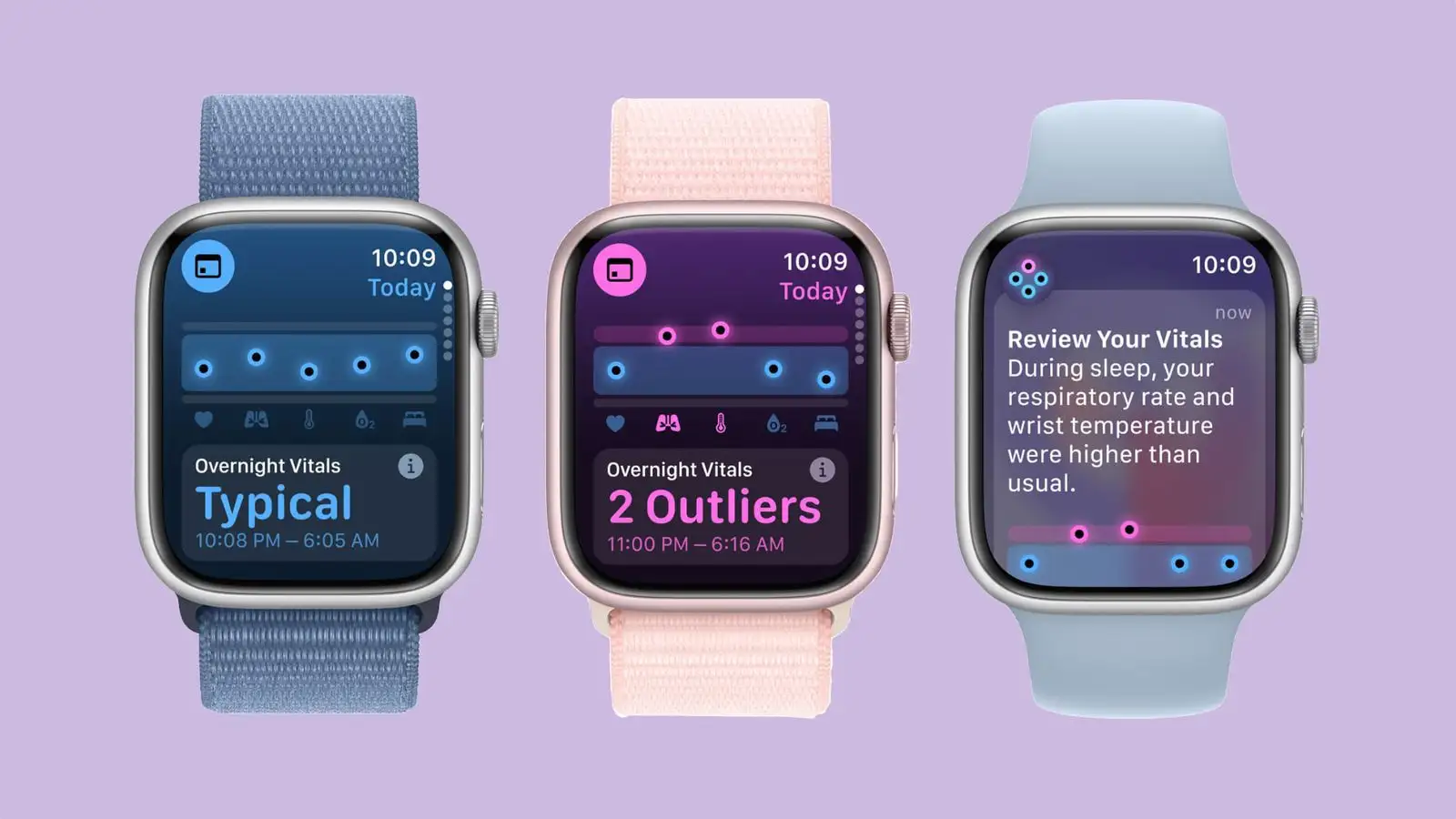 Photo via Apple // Some smart Health features available on Apple Watch watchOS 11.
You know what? The magic won’t be a single headline feature. It’ll be the glue—context that feels personal without being creepy.
The line Apple won’t cross (yet): diagnoses
Could Apple Intelligence triage symptoms? Sure. Should it tell you what disease you have? That’s where it gets tricky. Expect Apple to frame Health+ as guidance, education, and pattern spotting—not clinical decisions. Think: “Your snoring and oxygen patterns look atypical. Consider talking to a physician,” paired with a plain-English primer and maybe a way to export a neat report to your doctor. Supportive, not definitive.
Privacy: the elephant in the exam room
Health data is the most private data you own. Apple knows that, and it’ll repeat the message: on-device processing where possible, tight encryption, explicit consent for any sharing, and clear walls between ads and health (no mixing, period). If Health+ ships, watch for a prominent privacy card explaining exactly where your data lives and who can see it. Transparent defaults will matter more than glossy demos.
Fitness+ vs. Health+: friends, not twins
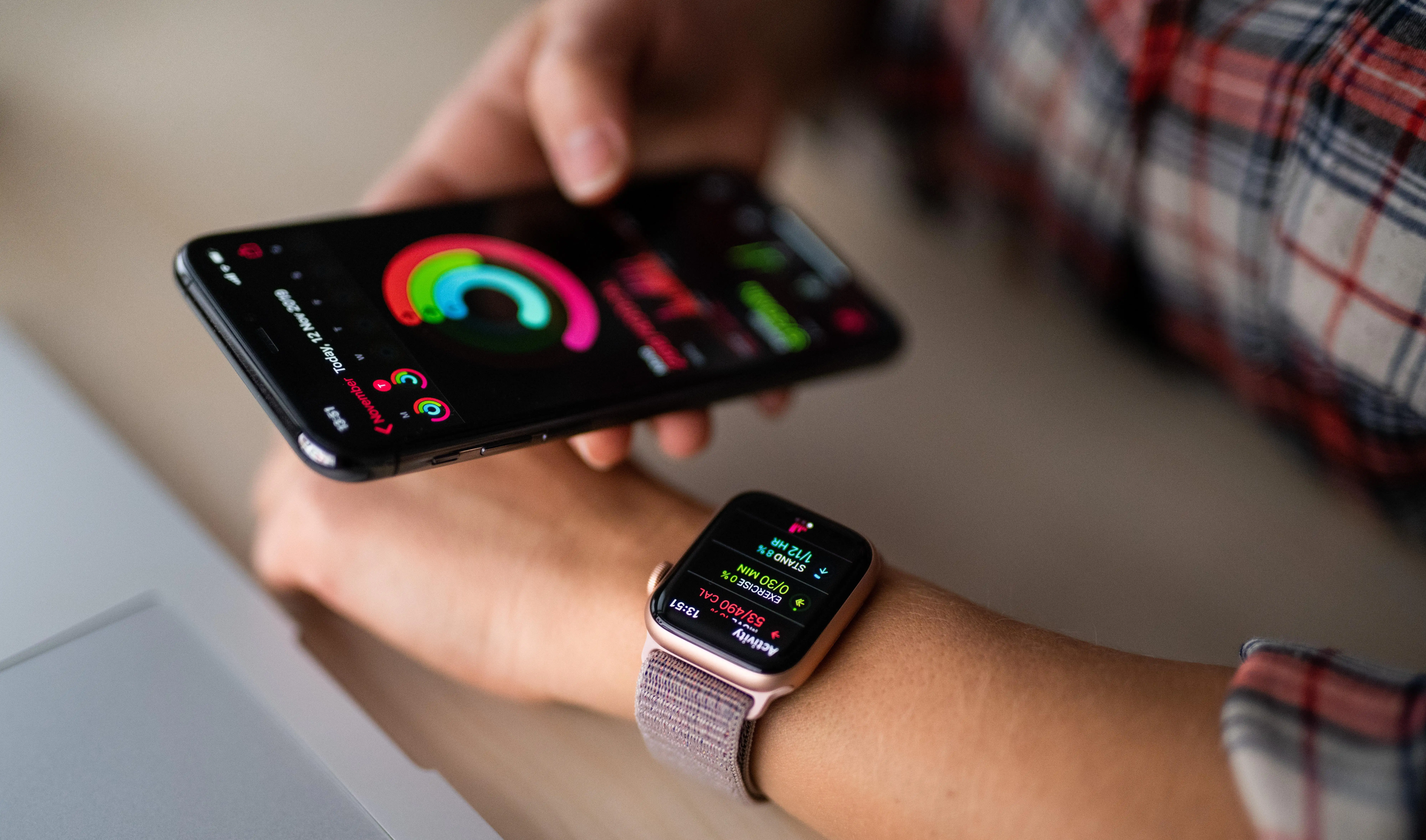 Photo via BGR // Apple Fitness on iPhone and Apple Watch.
Fitness+ is the class: video workouts, instructors, structured programs. Health+ sounds like the planner: nutrition, recovery, habit loops, and “what now?” after the class ends. They overlap, sure, but they’re different jobs. Could Apple bundle them? Very likely. Could Health+ live inside an Apple One tier? Also likely. Pricing is the big mystery—somewhere between “throw-in tier” and “premium coaching” would make sense. And yes, yearly plans tend to soften the sticker shock.
The food problem: making logging not awful
Everyone says they’ll track food; few keep it up. If Apple wants this to stick, logging must be effortless. Expect a mix: photo recognition for quick estimates, barcode scans, a rich database, and “good-enough” templates for your usuals (“two eggs + toast + berries”). The goal isn’t perfect macros. It’s directionally right insights you’ll actually use.
Sleep, stress, and the softer side of health
This is where an AI layer can shine without pretending to be a psychiatrist or physical therapist. Gentle routines, micro-stretches for desk bodies, wind-down cues backed by circadian science, and short mindfulness blocks that don’t feel like homework. If Apple’s smart, it’ll thread this across Calendar, Focus modes, and even Messages—lightweight presence, not nagging.
The 2026 checklist: what to watch next
- Feature previews in 2025 software betas: wording matters. If Apple starts talking about “personalized health coaching,” that’s your tell.
- Regulatory breadcrumbs: any new FDA clearances for sensor-adjacent features (think blood pressure or sleep apnea detection) boost the foundation.
- Developer hooks: updated HealthKit capabilities for nutrition and coaching would signal a broader ecosystem play.
- Services packaging: keep an eye on Apple One tiers—names shift when new categories slot in.
Final word: helpful coach now, house calls much later
An “AI doctor” headline is catchy, but the near-term win is smaller and more honest: a calm, practical coach that understands your patterns and offers next steps that feel doable today. That’s enough to change routines—which, over time, changes health. And if Apple can make logging painless, suggestions trustworthy, and privacy airtight, Health+ won’t need theatrics. It’ll just quietly become the feature you use every day without thinking about it.
And that, ironically, is very Apple.
Recommended by the editors:
- No More September iPhones? Apple's Strategy Shift Changes Everything
- MacBook Pro M6 OLED Rumors: Release Date, Price, Features, and More
- iPhone 18 Rumors: Apple Reportedly Testing Under Display Face ID
- Intel Could Finally Return to Apple Computers in 2027
- Foldable iPhone Could Be Apple’s Most Expensive Phone Ever At $2,399
Published to Apple Scoop on 10th October, 2025.