Apple sold a $599 game console in 1996
- Bandai and Saturn helped develop the Pippin in partnership with Apple Inc.
- The Pippin was directed at the home market as "an integral part of the consumer audiovisual, stereo, and television environment.”
- The Pippin ended up being a flop for Apple, as they had big competition from the likes of Sony, Nintendo and Sega.
 Interestingly, the Pippin was never developed with dedicated graphics nor sound processors. That’s because it was based on the Macintosh platform, which used dedicated system software such as 2D and 3D quick draw which were made available to developers. Apple chose to use the PowerPC 603 32-bit processor, primarily due to the requirements of the on-device modem which brought internet connectivity to the device.
In 1993, Bandai wanted to deliver a scaled-down version of the Macintosh purely for CD-ROM game-playing. Bandai President and CEO Makoto Yamashina chose the Macintosh platform over other platforms available at the time. — Bandai
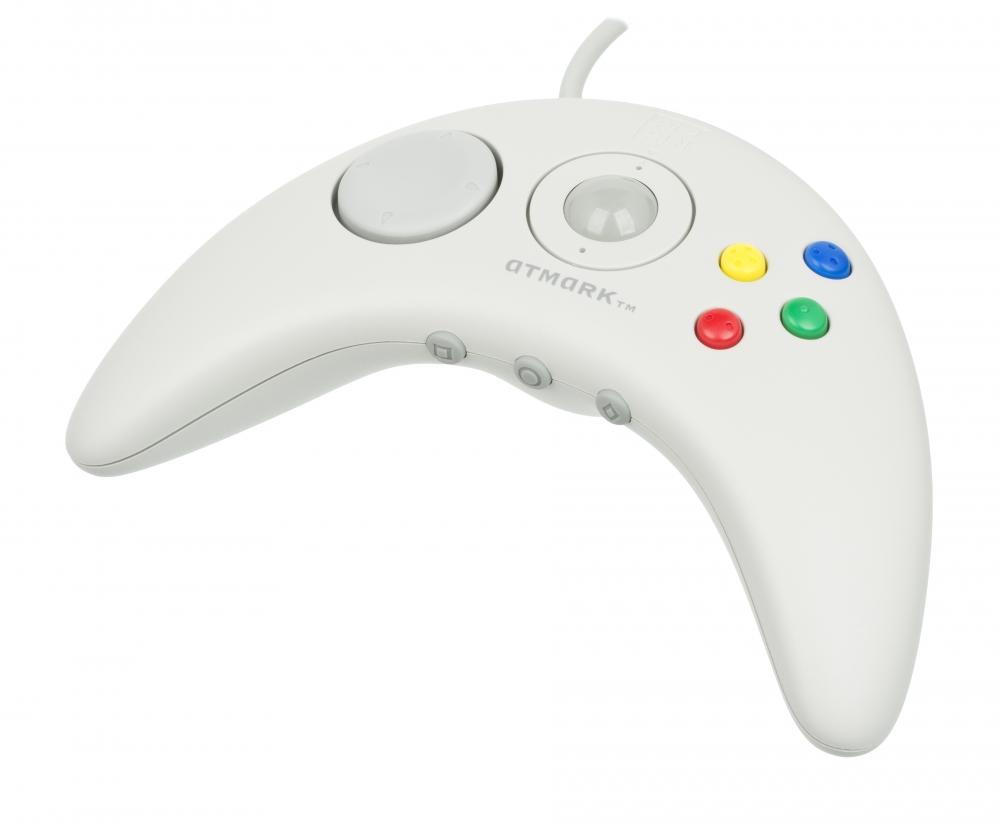
Essentially, the Pippin was a way to increase Macintosh's market share by expanding into new product categories and user bases. Apple relied on third-party companies to produce Pippin systems. In 1994, the Japanese toy maker Bandai approached Apple with the idea of a gaming console. Apple designed the Pippin after the Macintosh Classic II and developed the console’s logic board and Bandai was in charge of the casing and packaging. Once Bandai licensed the Pippin from Apple, Apple made no effort to market the Pippin. Bandai ended up spending US$93 million in marketing alone just to sell the Pippin line, as that was part of the licensing agreement with Apple. Bandai had predicted up to 200,000 Pippin systems would be sold in Japan in the first twelve months, and 300,000 systems would sell in the US within twelve months of being released.
 Unfortunately, the Apple Pippin was doomed to fail. The timing of the conference release was a terrible mistake, as it launched during the height of the first generation PlayStation, the Sega Saturn and the Nintendo 64 and many more. Those companies were already well established in the gaming console market. To make matters worse, there was a major lack of marketing for the Pippin, creating a severe lack of anticipation for the ill-fated console. The low level of excitement and poor marketing strategy led to the discontinuation of the console in 1997, just one year after its initial release.
Recommended by the editors:
- Apple Inc: The 11 Biggest Scandals of All Time
- Explained: What Is Skeuomorphism?
- The End of Skeuomorphism: How iOS 7 Changed UI Design
- Apple R1 Chip Explained: What Is It, Why Does It Matter, and What's Next?
- Why Did Apple Discontinue the iPod?
Published to Apple Scoop on 25th March, 2021.