A20 Chip May Push Apple's iPhone 18 Prices Higher
- Apple’s 2nm chips bring real speed and battery gains—but the sticker price is steep.
- That's a +50% increase in costs for Apple compared to the A19.
- Expect A20 in Pro first, with non-Pro likely sticking to a tuned 3nm. Read on...
Apple’s A20—expected to power 2026’s iPhone 18 family—may be the first mass-market 2-nanometer smartphone processor. That’s the fun part. The less fun bit is that new reports say the 2nm jump could carry a steep foundry premium versus today’s 3nm parts.
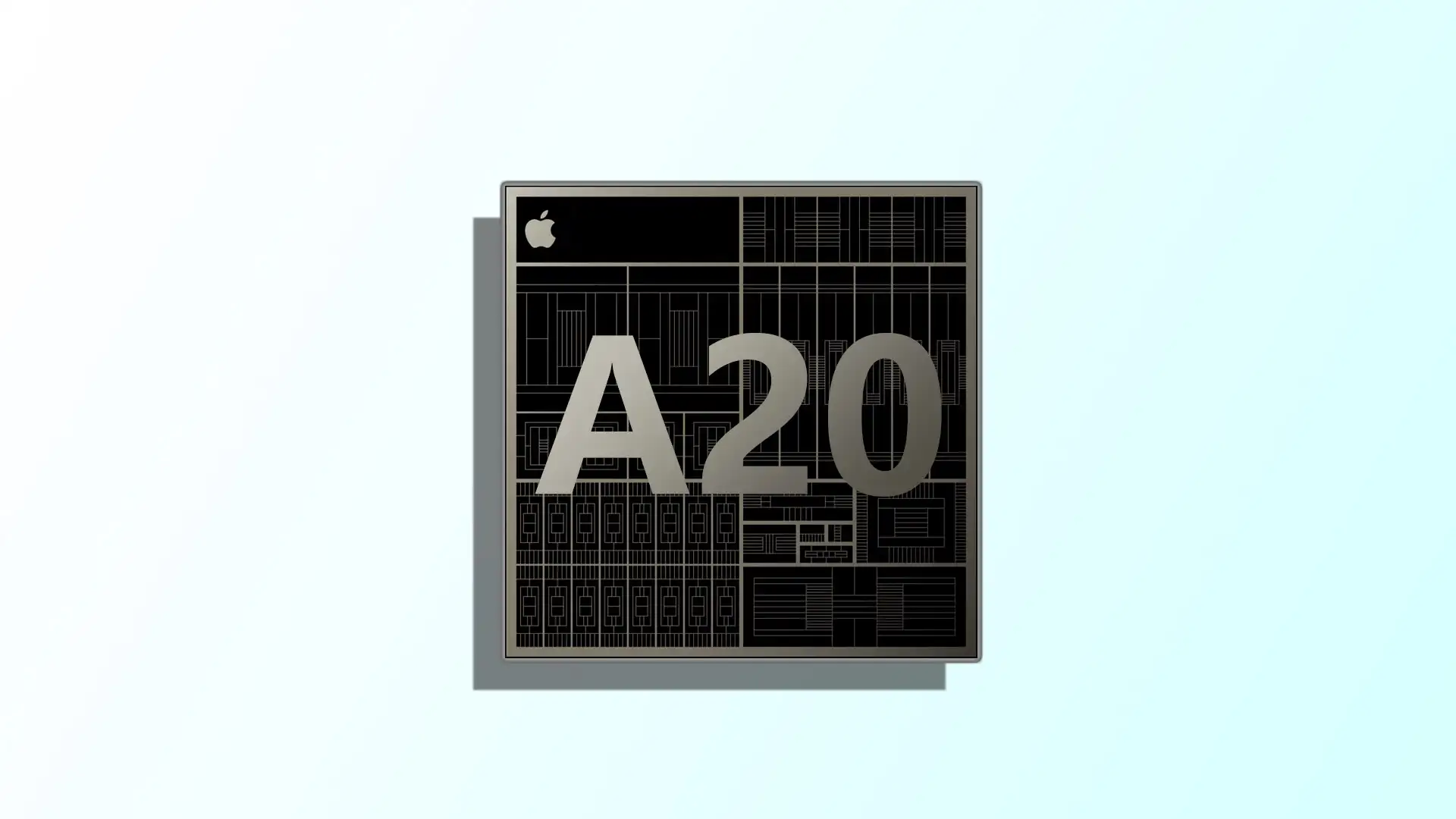 Photo via BGR // Apple's A20 chipset, coming in 2026.
What’s changing under the hood
TSMC’s N2 process moves Apple’s mobile silicon from FinFET to a gate-all-around “nanosheet” design. In plain English: better control of current, less leakage, and fresher headroom for both speed and battery life. TSMC has been guiding roughly 10–15% higher performance at the same power, or 20–30% lower power at the same performance, versus its mature 3nm (N3E) tech. That’s the sort of gain you actually feel—snappier camera pipelines, quicker on-device AI, and cooler frames during long game sessions.
There’s encouraging fabrication rumors, too: TSMC has said N2’s defect density trajectory is tracking better than prior nodes at a similar point, which is a polite way of saying yields could be healthier than folks feared heading into late-2025 mass production. Healthy yields usually tame costs—eventually.
The price rumor everyone’s passing around
Here’s the headline you’ve seen: 2nm will cost “at least 50%” more than 3nm. Several outlets, citing China Times, repeat that figure and suggest Apple’s per-chip outlay rises sharply for Apple's A20 chipset. That’s the spark behind today’s pricing worries.
But there’s nuance. Industry trackers at TrendForce recently pushed back, saying the real increase might be closer to 10–20% for 2nm wafers (not 50%), while other advanced nodes see single-digit hikes. In short: the “+50%” may be an early, conservative sticker meant for new-node risk—and not the final, volume price.
 Photo via Consomac // A concept rendering of Apple's A20 Pro chipset.
About that “$280 per chip” number
Some write-ups quote suppliers suggesting a ~$280 unit price for a 2nm flagship mobile SoC at the start of volume. Two flags here:
- Wafers vs. chips: Foundry pricing is set per wafer. The effective per-chip cost depends on die size and yield—both move targets during a ramp.
- Ramps normalize: Early wafers carry premiums; as yields rise, the “cost per good die” can fall fast. First-wave numbers often overstate steady-state realities.
So yes, 2nm looks pricier out of the gate, but translating that directly to a stable “per-chip” sticker (especially a single number) is a leap. Treat it as a scenario, not gospel.
Will Apple raise iPhone prices? Maybe
Apple’s not new to this game. When nodes jump, it leans on a familiar toolkit:
- Model mix: Put the newest node where margins and marketing value are strongest (think Pro/Pro Max first), while non-Pro models ride a refined 3nm step. Analysts have already floated the idea that not every iPhone 18 will run 2nm at launch—again, classic Apple.
- Cost offsets: More vertical integration, tighter component contracts, and small design tweaks (packaging, boards, RF) to claw back dollars elsewhere.
- Feature packaging: Storage tiers, camera splits, and services bundles to keep headline prices steady while nudging average selling price.
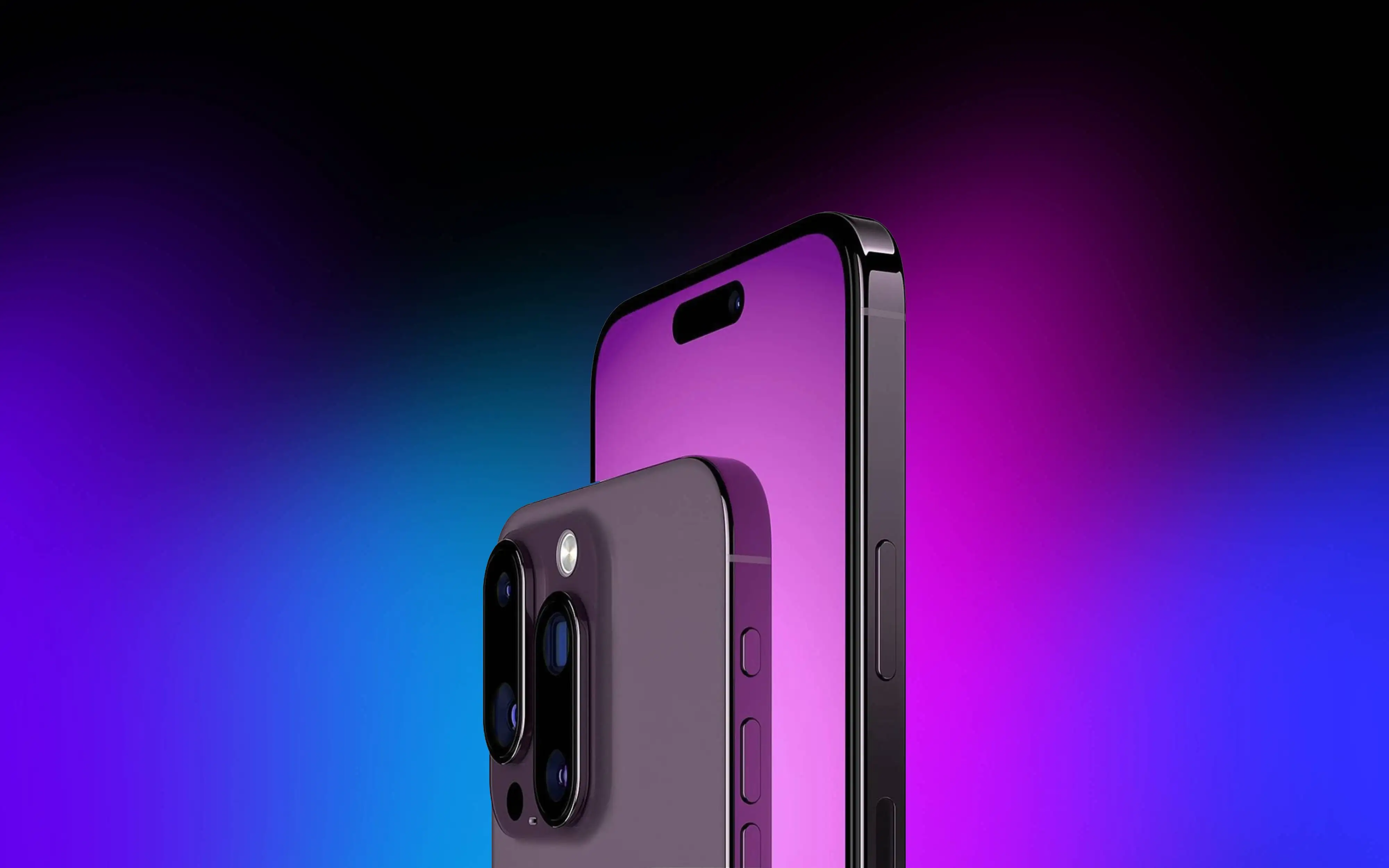 Photo via Apple Scoop // 3D rendering concent of Apple's 2026 iPhone 18 Pro.
History lesson: despite rising component complexity, Apple has held certain entry prices flat for years, only inching up when it believes the market will accept it. That pattern argues for targeted price movement (if any), not a blanket hike. Recent analysis pieces make the same point—even with higher silicon costs, Apple can choose to absorb or redistribute.
What it means for you
- Performance and battery: Expect smoother sustained performance and better energy use—especially on the Pro tier—thanks to N2’s efficiency gains. That shows up in camera bursts, on-device LLM tasks, and those “one more hour” battery claims that Apple loves to make (and users notice).
- Tiering strategy: The safest read is A20 (2nm) for iPhone 18 Pro models first, with non-Pro phones using a mature 3nm A-series variant. If Apple stays this course, it keeps entry pricing predictable while giving the Pro line a clear silicon brag.
- Mac timing: A20 is also a likely stepping-stone to Apple M6. Expect Apple to port N2 advantages to Macs after the iPhone ramp matures—less heat in thin laptops, higher sustained clocks, and better battery life on the road. (Timeline depends on N2 volume and Apple’s Mac cadence.)
A quick detour on yields, because it explains everything
Early in a node’s life, each wafer produces fewer “good” chips. As defect density falls and tuning improves, the cost per good die drops. That’s why you’ll often see scary early price quotes soften over a few quarters. TSMC’s own data hints at an encouraging curve for N2—lower defect density vs. where N3 sat at the same stage—which bodes well for Apple’s second and third production waves.
So…should you expect a higher sticker price?
Here’s the thing: a higher-cost A20 doesn’t automatically mean a higher-priced iPhone. Apple can push more buyers toward Pro, play with storage ladders, or keep MSRP steady while improving trade-in values and carrier deals. There might be movement at the very top, but it’s not a lock. The only solid lock is this—2nm is coming, and Apple will market the gains hard. Multiple outlets now expect Apple to be among the very first with mass-produced 2nm phones in 2026.
Bottom line
- Yes, A20 on 2nm looks meaningfully better for performance-per-watt.
- Yes, the early wafers will be more expensive—how much is contested. The loud “+50%” figure exists, but credible research shops argue +10–20% could be closer after contracts and yields settle.
- Likely path: 2nm for Pro models first, broader rollout as costs normalize. That’s the Apple way, and it lines up with current analyst guidance.
If you’re an “upgrade every year” fan, the 2026 Pro phones are shaping up to be the most interesting silicon jump since Apple’s first 3nm iPhone. If you’re more value-minded, patience might pay as N2 matures and trickles down.
Recommended by the editors:
- No More September iPhones? Apple's Strategy Shift Changes Everything
- MacBook Pro M6 OLED Rumors: Release Date, Price, Features, and More
- iPhone 18 Rumors: Apple Reportedly Testing Under Display Face ID
- Intel Could Finally Return to Apple Computers in 2027
- Foldable iPhone Could Be Apple’s Most Expensive Phone Ever At $2,399
Published to Apple Scoop on 23rd October, 2025.