How Apple Left Intel Behind: The Rise of M1, M2, M3, and M4 Silicon
- Apple’s bold shift away from Intel has shaken the tech world—M1 was just the beginning.
- The M4 chip just dropped, and it's not where you'd expect—hint: it’s not in a Mac.
- Why did Apple ditch Intel after 15 years? The answer is all about power and control.
- Forget Intel—Apple’s M-series chips are setting the standard for speed and efficiency.
A Profound Shift in the Tech Industry
For more than a decade, Intel dominated the PC industry. But today, Apple’s shift to its own custom silicon has completely reshaped the tech landscape. With the introduction of the M1, M2, M3, and most recently, the M4 chips, Apple is blazing a trail that has left Intel struggling to keep up.
What was once a thriving partnership between the two tech giants has transformed into a story of dominance and innovation as Apple moves further away from relying on Intel's processors. Photo via TechCrunch // Intel logo (left) and Apple logo (right).
The End of an Era: Apple's Break from Intel
In 2020, Apple made a bold move by transitioning away from Intel's x86 architecture and embracing its own M1 silicon chip. The shift wasn’t just a technical decision but a strategic leap. Apple, which had relied on Intel for over 15 years, was now focused on creating a unified architecture across its devices.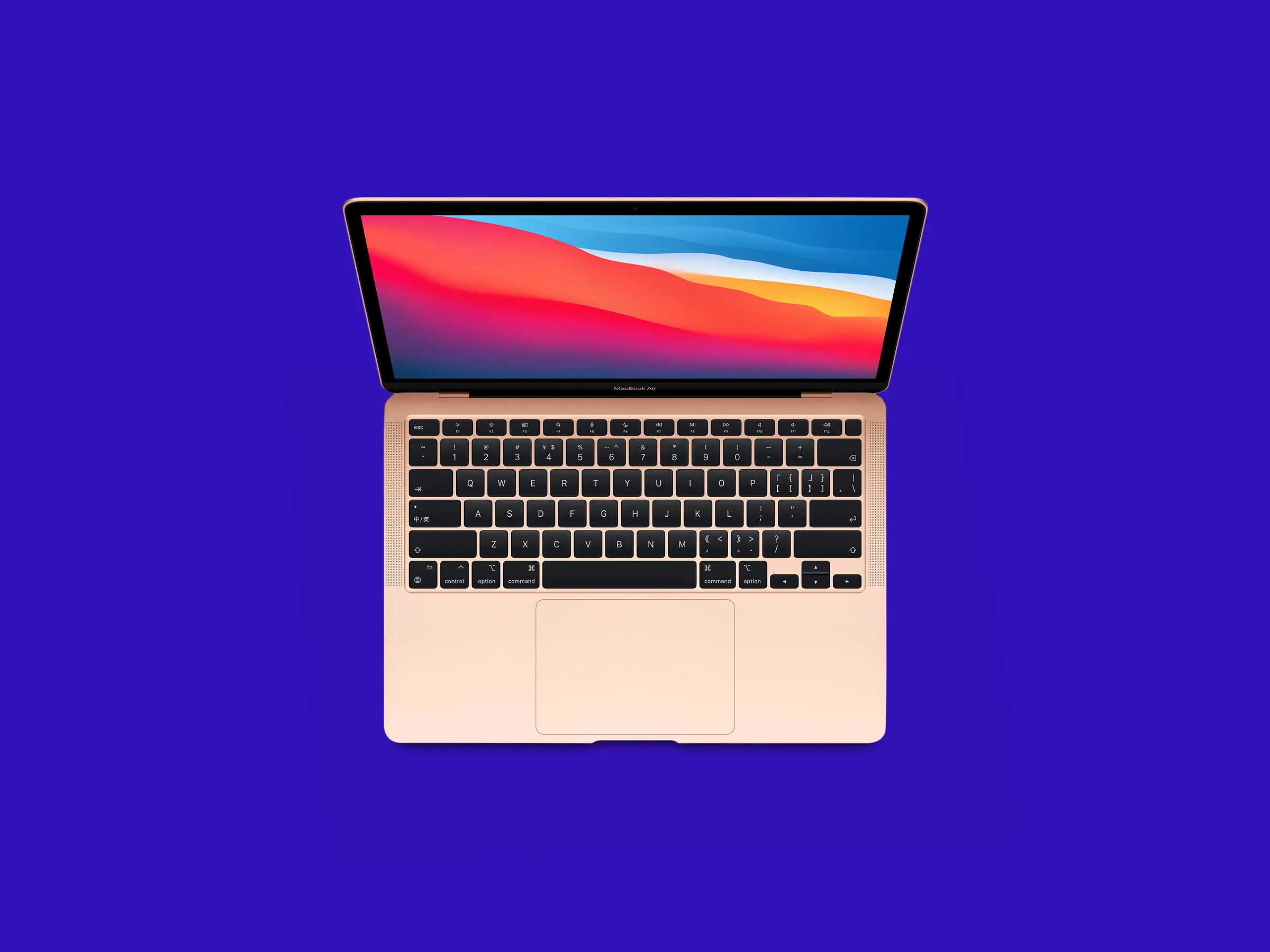 Photo via WIRED // Apple's 2020 MacBook Air with M1.
Tim Cook, Apple's CEO, noted this change as historic:
Apple silicon will make the Mac stronger and more capable than ever. I’ve never been more excited about the future of the Mac.— Tim Cook
The M1-powered MacBook Air, MacBook Pro, and Mac mini launched in late 2020 were met with widespread acclaim, delivering high performance and energy efficiency that far surpassed expectations. According to Apple’s Senior Vice President of Software Engineering, Craig Federighi:
We overshot. This is working better than we even thought it would.— Craig Federighi
Why Apple Ditched Intel
There were many reasons behind Apple’s decision to move away from Intel. At the heart of it was performance. Apple’s custom silicon allowed them to tailor their chips specifically for their products, resulting in improvements in battery life, speed, and efficiency. This also gave them complete control over hardware and software optimization, something they couldn’t fully achieve with Intel's processors.
In contrast, Intel was experiencing several setbacks. Manufacturing delays, missed deadlines, and the failure to deliver the level of performance Apple needed made Intel less attractive. By moving to its own silicon, Apple could finally create a product that wasn’t held back by another company’s limitations.
The M1: The Game Changer
Apple’s M1 chip was the first of the company’s custom silicon designed for Macs, and it quickly made waves. Offering up to 18 hours of battery life and incredible performance, the M1 represented a leap forward. The chip brought the power efficiency of the iPhone to Macs and allowed Apple to deliver on its vision of lightweight, fanless laptops.
M2 and Beyond: Continuous Innovation
In 2022, Apple introduced the M2 chip, continuing its push for innovation. The M2 brought even more performance gains, with improved CPU and GPU cores and better energy efficiency. The M3, announced in 2023, delivered an even more significant leap with Apple's first 3-nanometer chip, offering improved gaming performance and incredible computational capabilities, thanks to advanced graphics features like ray tracing.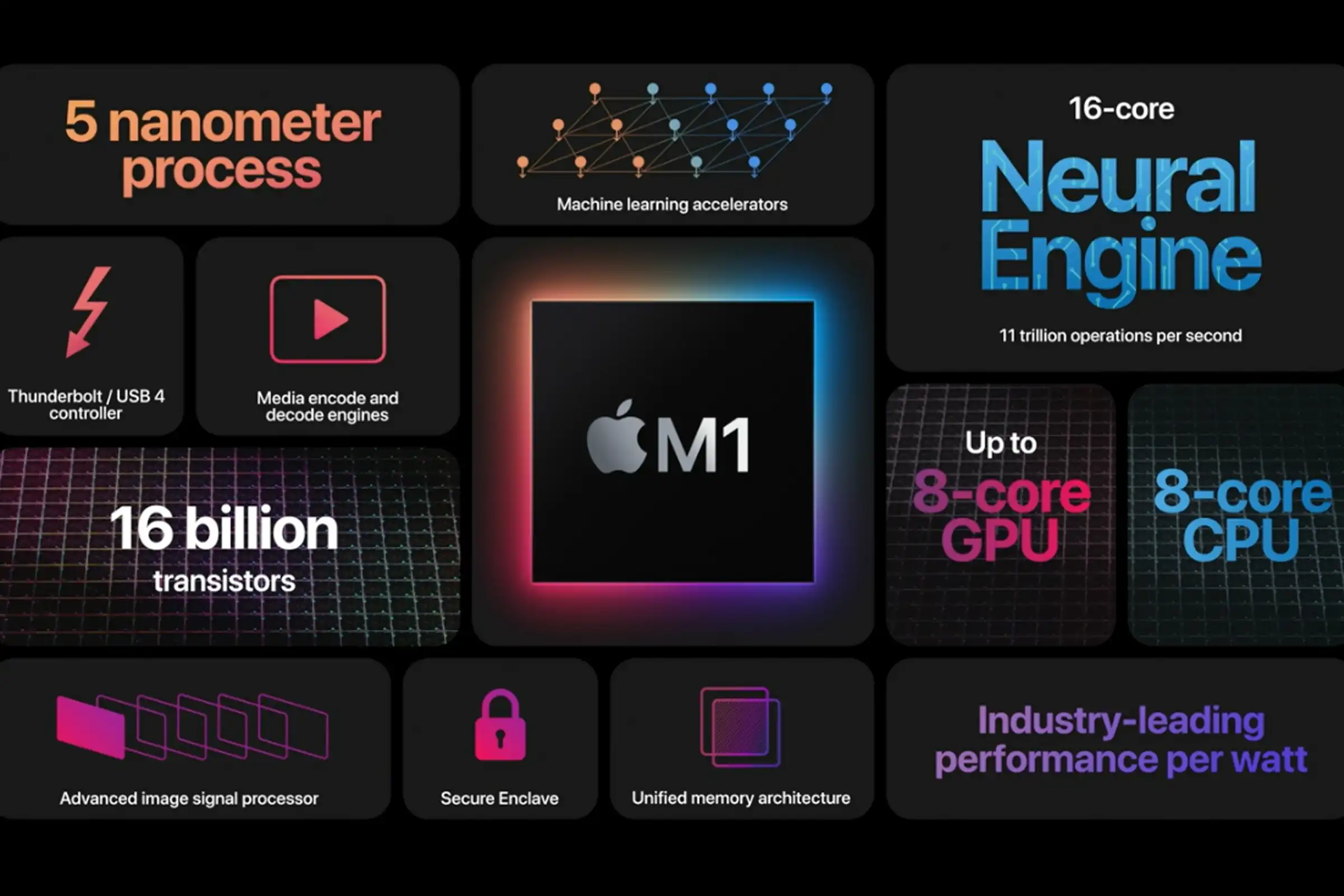 Photo via Apple Inc. // Some of the features of Apple's M1 processor.
Apple’s chip design philosophy focuses on creating a System on a Chip (SoC) that integrates the CPU, GPU, and other components, enabling a seamless experience across devices. As Johny Srouji, Apple’s head of silicon, explains:
Because we’re not really selling chips outside, we focus on the product. That gives us freedom to optimize, and the scalable architecture lets us reuse pieces between different products.— Johny Srouji
This strategy has allowed Apple to scale its silicon architecture from the iPhone to the Mac and beyond, while pushing boundaries with each new generation.
The Latest Milestone: M4 Silicon in the iPad
The M4 chip, debuting in 2024, was another significant milestone. Interestingly, it launched not in a Mac, but in the iPad Pro, marking the first time an Apple M-series chip debuted in a tablet rather than a computer. With its unmatched performance and battery efficiency, the M4 enables the iPad Pro to handle professional-level tasks that were once reserved for desktop computers.
Apple’s silicon continues to impress with its ability to deliver high-end performance in compact devices, leading many to speculate about how Apple will further push the limits of what its chips can do in the coming years.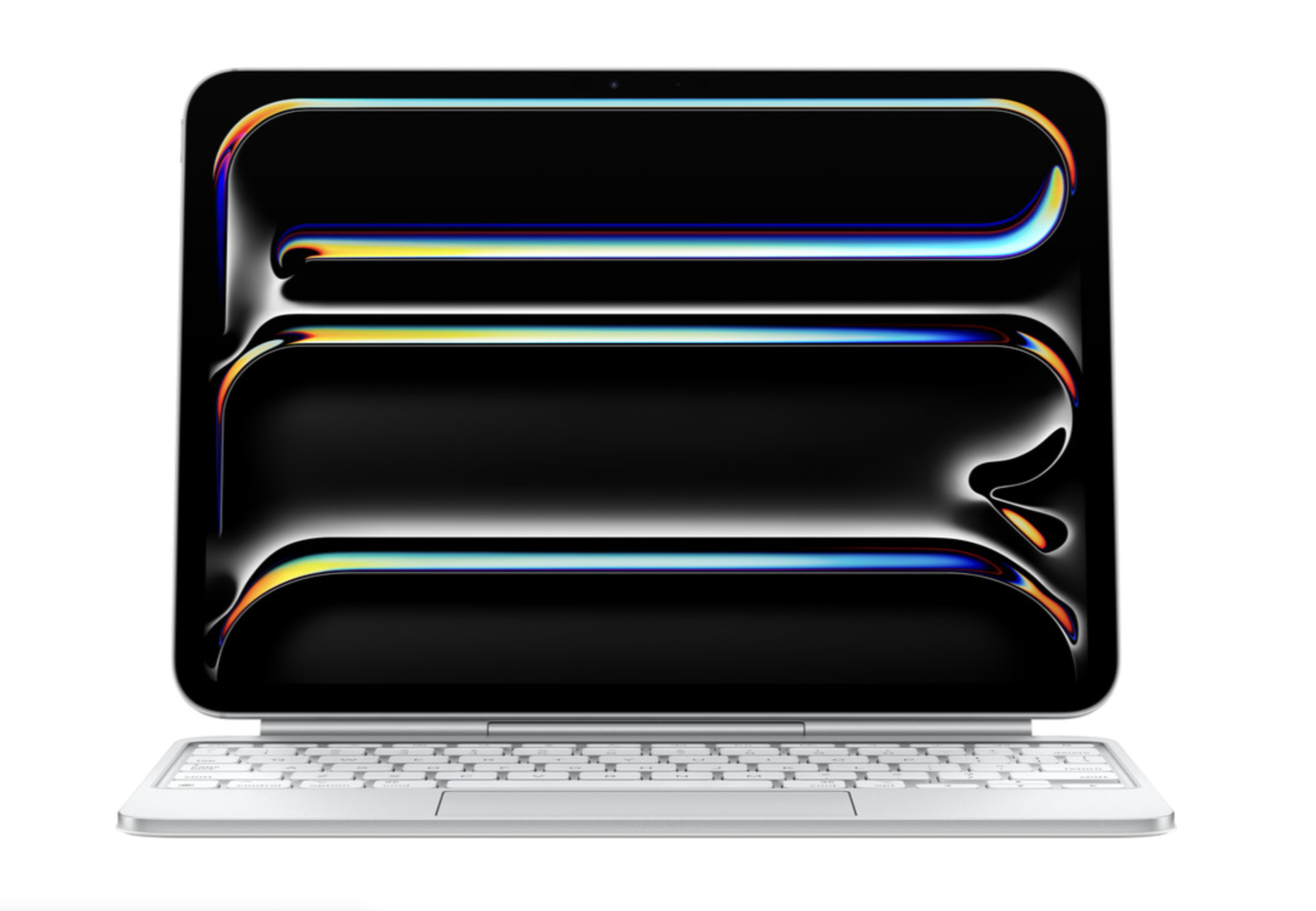 Photo via Apple Inc. // Apple's iPad Pro with M4 inside.
The Impacts on Intel
While Apple’s journey to custom silicon has been a remarkable success story, it has been a significant blow for Intel. Once the biggest player in the semiconductor industry, Intel now faces competition on multiple fronts. Nvidia, AMD, Qualcomm, and Apple are all vying for market share, and Intel’s delays in advancing its own chip technology have caused it to fall behind.
Intel’s troubles are not limited to Apple’s defection. The company has also missed out on other major trends, such as the explosion of mobile computing and artificial intelligence. Companies like Nvidia have capitalized on the demand for AI processing, and Intel’s chips have largely been sidelined in this booming market.
What’s Next for Apple Silicon?
Apple’s commitment to custom silicon is clear. Its strategy of designing chips in-house and optimizing them for its products has paid off immensely. With the M4 now leading the charge, Apple is poised to continue its dominance in the personal computing space.
The future of Apple silicon looks bright. With each new generation of chips, Apple is further cementing itself as a leader in innovation, delivering unparalleled performance and efficiency across its product line.
In the words of Craig Federighi:
We’re rebuilding customer trust. They’re looking at us now saying ‘Oh, Apple is back.’— Craig Federighi
Conclusion
The rise of Apple Silicon, from the M1 to the M4, has transformed the tech landscape. Apple’s decision to break away from Intel and develop its own custom chips has allowed the company to create products that push the boundaries of performance, efficiency, and innovation. As the industry continues to evolve, Apple is set to remain at the forefront, shaping the future of computing.
This transition marks not just the end of an era for Intel, but the beginning of a new one for Apple, where the possibilities seem endless.
Recommended by the editors:
- MacBook Pro M6 OLED Rumors: Release Date, Price, Features, and More
- Intel Could Finally Return to Apple Computers in 2027
- Apple’s Colorful, Low-Cost MacBook: Rumors, Release Date, Features, and More
- Apple’s A19 Pro MacBook Rumors: Everything We Know So Far
- OLED MacBook Air Rumors: Release Date, Features, Price, and More
Published to Apple Scoop on 2nd October, 2024.