Craig Federighi admits that Apple could have handled CSAM detection features better
- Craig says that it’s not possible for your personal images to get flagged as CSAM.
- Also explains how it’s not a backdoor.
In the interview, he admitted the mass misunderstanding of the new child sexual abuse material (CSAM) detection feature in iCloud Photos and the inappropriate image detection for iMessage.
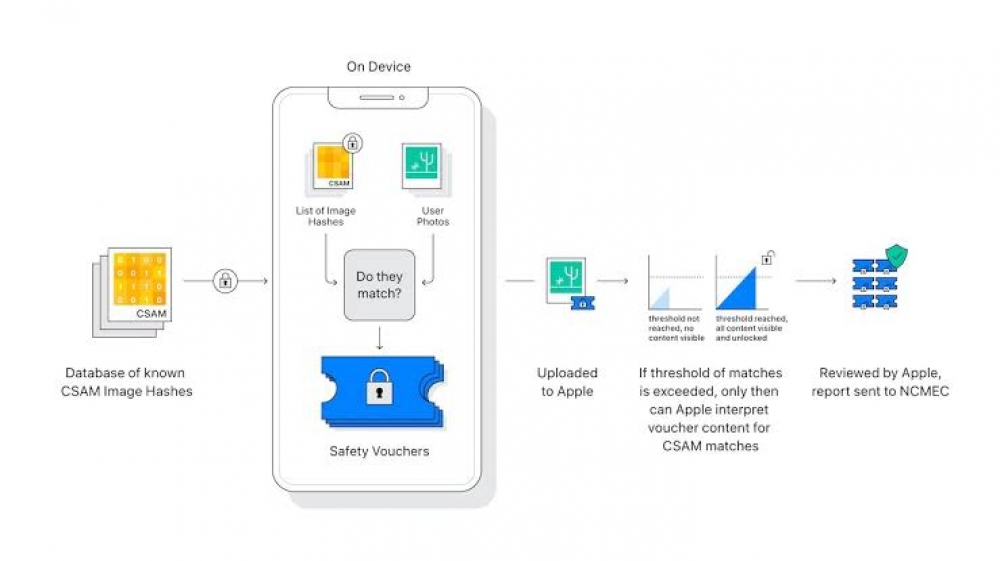 He elaborated on the CSAM detection feature, stating that the feature is private and secure, with the iPhone only alerting Apple if your account has “something on the order of 30 known child phonographic images matching”, and if a human moderator validates that the images are indeed CSAM. Only at that point does Apple alert the corresponding authorities.
Thanks to the feature using cryptographic hashes of images that are in a database of images from the National Center for Missing & Exploited Children, it is impossible for your own images of say, your naked children taking a bath, to get reported to the authorities by Apple.
In response to accusations of Apple creating a backdoor into their operating systems by people such as whistleblower Edward Snowden, Federighi said “I think in no way is this a backdoor. I don’t understand — I really don’t understand that characterization.” Stating that Apple ships the same database in China as the U.S, or Europe, and that they would refuse if an government tried to add any other images to the database.
 One thing for sure is that Apple is going to have to work hard to build back it’s reputation as a privacy-respecting tech company, a stark contrast to tech giants like Google.
The original interview can be viewed here.
Recommended by the editors:
- Apple Accused of Employee Surveillance in New California Lawsuit
- AirTag 2: Release Date, Rumors, Features, and More
- Apple iOS: 20 Facts You Didn’t Know
- Apple AirTags 2: Here’s Everything We Know So Far
- How Do Apple AirTags Work? A Comprehensive Overview
Published to Apple Scoop on 13th August, 2021.